Loading Curie Briefs...
Getting the latest healthcare news for you
Getting the latest healthcare news for you

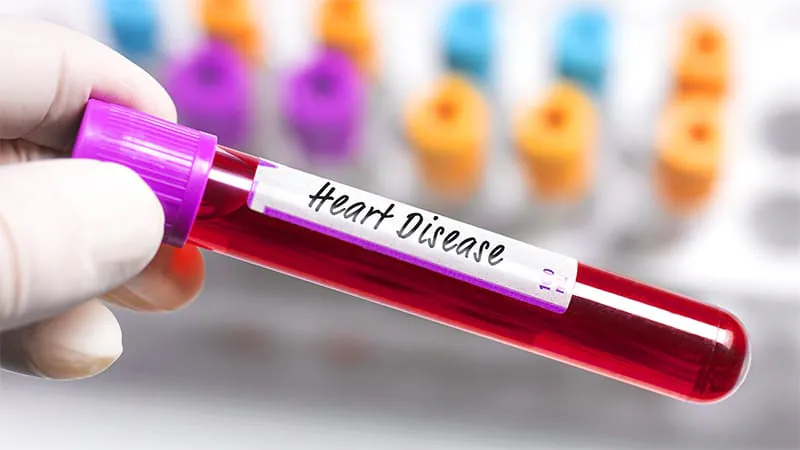
A biomarker warning sign for heart failure. A large Danish cohort study found that patients with suspected acute coronary syndrome (ACS) who had persistently elevated high-sensitivity troponin-T (hs-TnT) levels faced the greatest risk of developing heart failure within a year. Researchers suggest this biomarker could be incorporated into risk scores regardless of a patient's final ACS diagnosis.
A biomarker warning sign for heart failure
A new study using Danish nationwide registry data found that persistently elevated high-sensitivity troponin-T (hs-TnT) levels in patients with suspected acute coronary syndrome (ACS) are strongly linked to the highest risk of developing heart failure (HF). The research analyzed over 26,000 patients and tracked hs-TnT patterns — normal, rising, persistently elevated, or falling — to assess HF risk over 12 months.
The findings also revealed a clear dose-response relationship: the higher the peak hs-TnT level, the greater the risk of HF. Patients whose hs-TnT levels changed by more than 20% between serial measurements (in either direction) faced elevated risk, while those with changes of ≤20% fared better.
By the Numbers
Why it matters: Researchers say hs-TnT could be added to clinical risk scores to predict HF in ACS patients — regardless of their final diagnosis — potentially enabling earlier intervention and better outcomes.