Loading Curie Briefs...
Getting the latest healthcare news for you
Getting the latest healthcare news for you

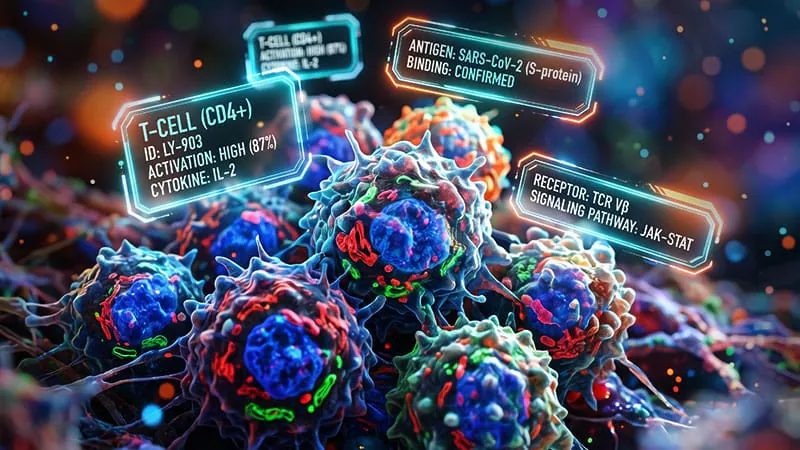
Supercentenarians — people who live to 110 and beyond — carry unusually high levels of a rare hybrid immune cell that can kill cancer cells and fight infections. A new Cell Reports study suggests the immune system doesn't simply decline with age; in some people, it actively adapts. The findings hint at a possible biological signature of extreme longevity.
We've long assumed the immune system just gets weaker as we age — but new research suggests that for the oldest among us, the story is more complicated. A study published in Cell Reports found that supercentenarians (people aged 110+) have markedly elevated levels of CD4 cytotoxic T lymphocytes (CD4 CTLs) — rare hybrid immune cells that can both coordinate immune responses and directly kill threats like tumor cells and infected cells.
Researchers analyzed blood samples from 28 adults across three age groups and combined that data with large public single-cell datasets spanning ages 0–110+. They found that CD4 CTL levels rise steadily with age, with a notable jump around the 100-year mark. Crucially, these cells showed signs of clonal expansion — meaning the immune system was repeatedly responding to persistent threats, possibly including early cancer signals.
By the Numbers:
Why it matters: These findings challenge the conventional view of immune aging as pure decline. If CD4 CTLs help suppress cancer and clear aging cells, they could represent a measurable biomarker of healthy extreme aging — and a potential therapeutic target for supporting immune resilience as we grow older.