Loading Curie Briefs...
Getting the latest healthcare news for you
Getting the latest healthcare news for you

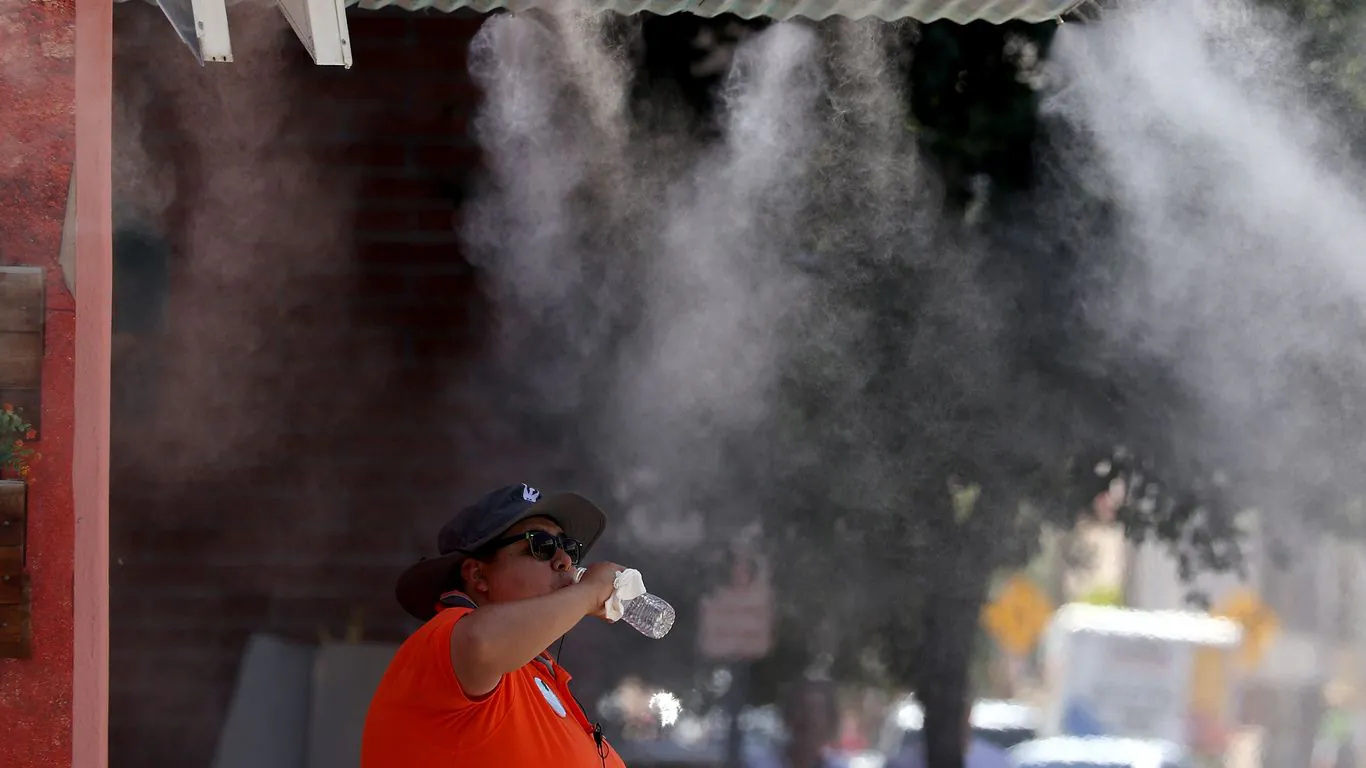
Extreme heat is forcing states to rethink how they govern. From appointing dedicated heat officers to funding cooling infrastructure, states like Arizona, Massachusetts, and California are scrambling to build systems for a hazard they were never designed to handle. July 2026 was the hottest month ever recorded in the contiguous U.S., adding urgency to the push.
Extreme heat is no longer just a weather event — it's a governance challenge. As climate change drives record-breaking temperatures, states across the U.S. are appointing heat officers, drafting statewide action plans, enacting worker protections, and funding cooling infrastructure. July 2026 was the hottest month ever recorded in the contiguous U.S., with every Lower 48 state above its 20th-century average, and a heat wave could stretch into September.
Historically, heat has been underfunded compared to disasters like floods and wildfires because it doesn't leave obvious property damage. Experts say this has caused heat to "fall through the cracks" of government responsibility. Now, states are racing to catch up. Arizona led the way with its 2024 heat plan and the nation's first chief heat officer. Massachusetts became the first East Coast state to follow suit, while California's updated 2026 Extreme Heat Action Plan spans public health, housing, energy, and worker protections.
By the Numbers:
Why it matters: Heat is now the deadliest weather-related hazard in the U.S., and the public health toll — from ER visits to lost wages — is mounting. State-level governance frameworks are critical to protecting vulnerable communities before the next heat wave hits.