Loading Curie Briefs...
Getting the latest healthcare news for you
Getting the latest healthcare news for you

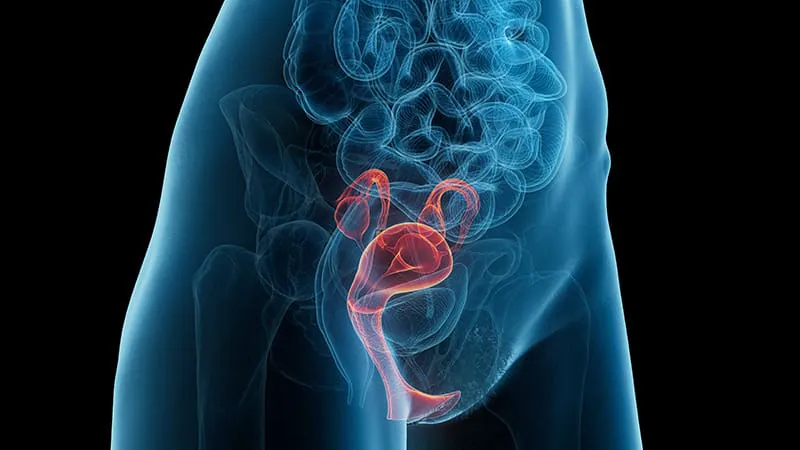
Adding vaginal oestrogen to prolapse surgery pays off. A Dutch randomised trial found that postmenopausal women who used perioperative vaginal oestriol cream reported significantly better symptom improvement and quality of life at 12 months compared to those on placebo. Experts say it should be part of shared decision-making for women undergoing primary prolapse surgery.
Adding vaginal oestrogen to prolapse surgery pays off
A large Dutch randomised controlled trial has found that perioperative vaginal oestrogen therapy meaningfully improves outcomes for postmenopausal women undergoing pelvic organ prolapse (POP) surgery. The double-blind trial, conducted across 22 hospitals in the Netherlands, assigned 311 women to either vaginal oestriol cream or placebo, starting 4–6 weeks before surgery and continuing for 12 months post-op.
The results were clear: women in the oestrogen group reported better symptom relief, improved pelvic floor-related quality of life, and less discomfort or pain compared to the placebo group — all without a significant difference in surgical complications, reoperation rates, or sexual function.
By the Numbers
Why it matters: Pelvic organ prolapse affects millions of postmenopausal women, and surgery alone doesn't always deliver full relief. This trial offers strong evidence that adding vaginal oestrogen — a low-risk adjunct — can meaningfully improve how patients feel after surgery, making it a compelling option to raise in pre-surgical conversations.