Loading Curie Briefs...
Getting the latest healthcare news for you
Getting the latest healthcare news for you

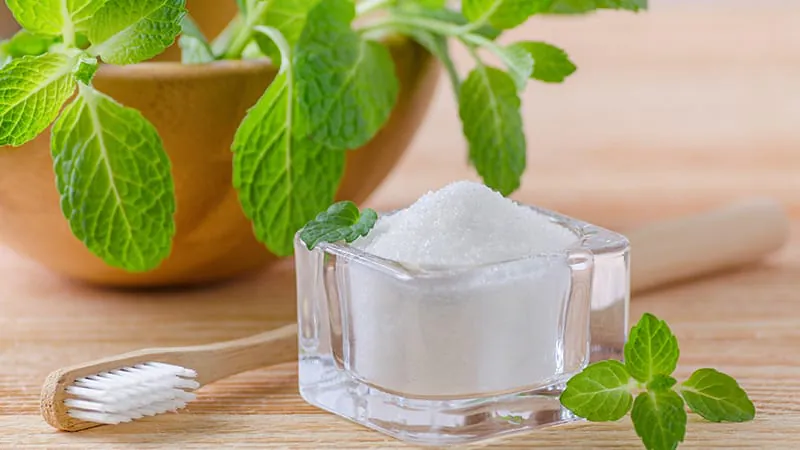
Xylitol, the popular sugar substitute found in everything from chewing gum to toothpaste, is now linked to significantly higher long-term cardiovascular risk. A large study of over 17,000 people presented at ESC Congress 2026 found that those with the highest blood xylitol levels faced up to a 57% greater risk of major cardiac events. Experts say the findings call for a serious rethink of how "natural" sweeteners are marketed and used.
Xylitol — the "birch sugar" sweetener widely used in sugar-free products — is raising red flags for heart health. A major new study presented at the European Society of Cardiology (ESC) Congress 2026 analyzed data from over 17,700 participants across two long-running cohorts and found a clear, dose-response link between high blood xylitol levels and major adverse cardiovascular events (MACE), including death, heart attack, and stroke.
The findings build on earlier research showing similar concerns in patients with existing cardiovascular disease, as well as evidence that xylitol may boost platelet reactivity — a key driver of clot formation. Experts caution that while the study is observational and cannot prove causation, the consistency of results across different populations and time frames is notable.
By the Numbers:
Why it matters: Clinicians are increasingly being asked about sugar substitutes, and this study complicates the narrative that "natural" sweeteners are a safe alternative. Experts urge a balanced message — the goal should not be to push patients toward less healthy dietary choices, but to ensure that sweeteners, natural or otherwise, are not assumed to be without risk.