Loading Curie Briefs...
Getting the latest healthcare news for you
Getting the latest healthcare news for you

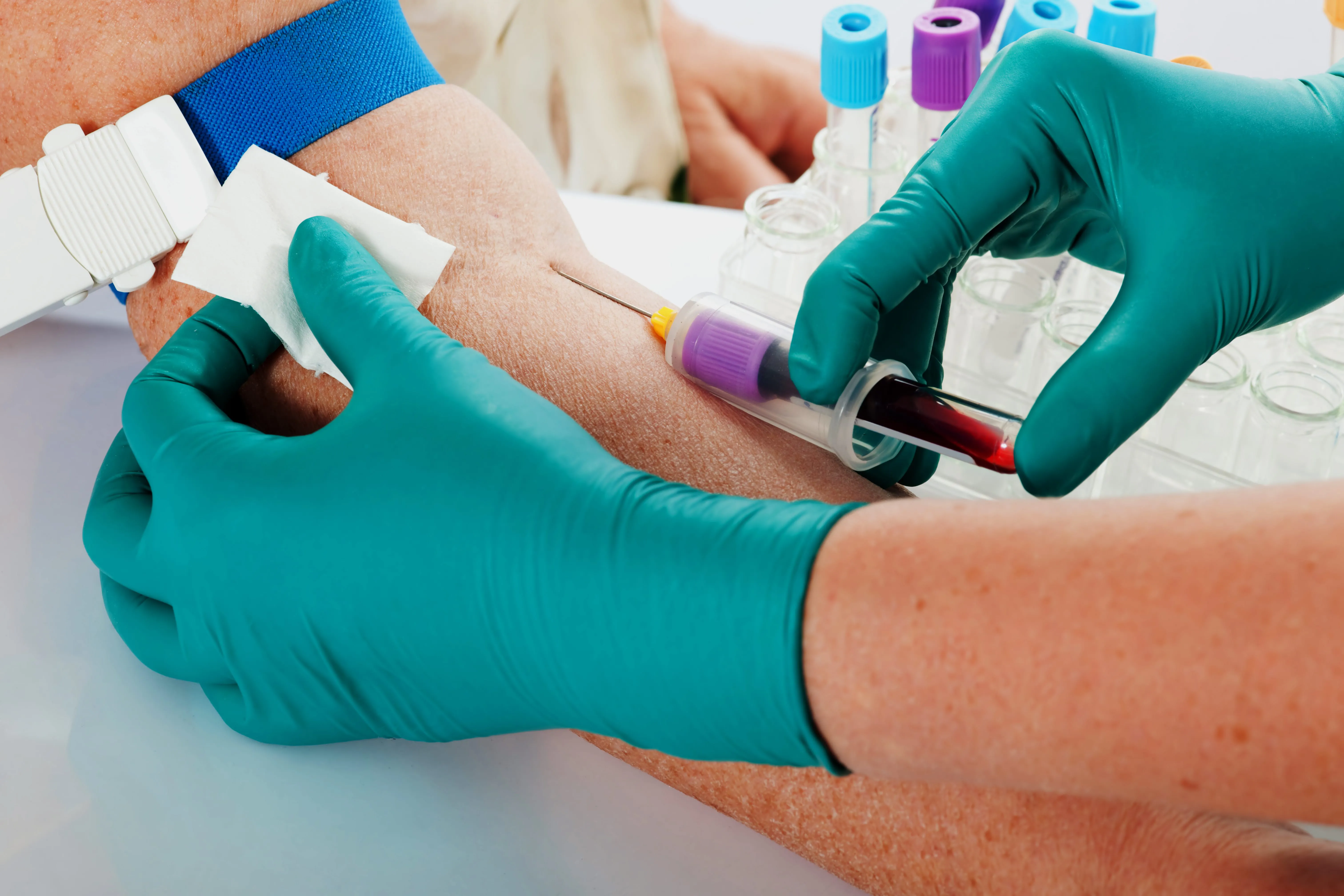
Automatic daily lab tests for stable hospital patients may be doing more harm than good. Experts say routine CBCs and metabolic panels should only be ordered when results are likely to change clinical decisions. Smarter ordering can cut costs, reduce hospital-acquired anemia, and let patients sleep in.
For decades, hospitalized patients have been woken up at dawn for routine blood draws — but a growing chorus of hospitalists is pushing back. Experts say that automatic daily lab testing, including complete blood counts (CBCs) and metabolic panels, is often ordered out of habit rather than clinical necessity, and the costs — financial and physical — are adding up.
The key question clinicians should ask before ordering: "Is this result likely to change what we do for this patient today?" Daily monitoring still makes sense for patients with active bleeding, unstable electrolytes, acute kidney injury, or those on medications requiring close tracking. But for stable patients with no new symptoms or abnormal findings, routine testing may expose them to unnecessary risks with little diagnostic payoff.
Key Takeaways:
Why it matters: Unnecessary lab testing drives up costs, increases workload, disrupts patient sleep, and contributes to hospital-acquired anemia. Shifting to deliberate, indication-based ordering is a practical, evidence-backed way to improve care quality without compromising patient safety.