Loading Curie Briefs...
Getting the latest healthcare news for you
Getting the latest healthcare news for you

The obesity medicine world is obsessed with how many pounds GLP-1 drugs can shed, but experts say it's time to shift the conversation. Up to 40% of weight lost on GLP-1s may come from muscle and bone, not fat — a serious concern. Leading obesity specialists are urging clinicians to reframe success around health outcomes, not just the number on the scale.
The race to develop ever-more-powerful GLP-1 medications has sparked a "percent lost" competition — tirzepatide averages 22.5% weight reduction at 72 weeks, while retatrutide hits up to 30% at 104 weeks. But a growing chorus of obesity experts is pushing back: more pounds lost doesn't automatically mean better health outcomes.
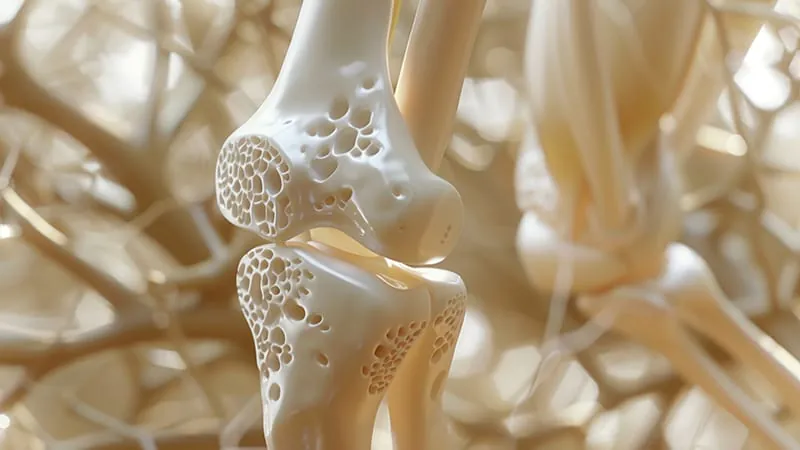
The core concern is weight-loss quality — specifically, how much of that lost weight is fat versus lean mass like muscle and bone. Some reports suggest that 25%–40% of total weight lost on GLP-1s may be skeletal muscle or other fat-free mass, raising red flags about long-term metabolic and physical health consequences.
Obesity specialists say they're already changing how they talk to patients — focusing on metabolic improvements like blood sugar control, reduced cardiovascular risk, and medication reduction rather than pounds or BMI. Practical strategies include regular body composition monitoring, strength training (even just 20 minutes twice a week), and adequate protein intake.
Key Takeaways:
Why it matters: As GLP-1s become mainstream obesity treatments, clinicians risk optimizing for the wrong metric. Prioritizing fat loss over total weight loss — and preserving muscle — could be the difference between a healthier patient and one who loses weight but gains new vulnerabilities.