Loading Curie Briefs...
Getting the latest healthcare news for you
Getting the latest healthcare news for you

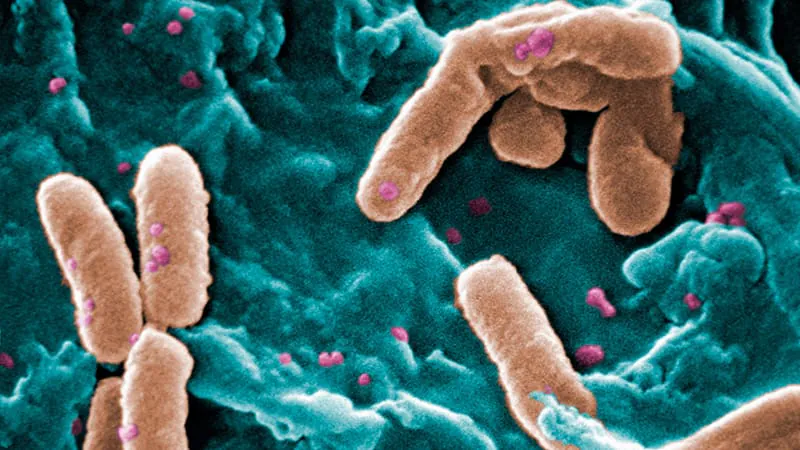
Over 1 in 5 neutropenic patients with blood cancers who develop a Pseudomonas aeruginosa bloodstream infection also develop skin lesions, a new study finds. Those with skin involvement faced significantly longer hospital stays and neutropenia duration. AML and recurrent infections were the biggest risk factors.
A new retrospective study out of University Hospital Cologne found that skin involvement — including lesions like ecthyma gangrenosum and necrotic nodules — occurred in more than 1 in 5 neutropenic patients with hematologic malignancies who developed a Pseudomonas aeruginosa bloodstream infection (PA-BSI). The findings, published in Clinical Microbiology and Infection, highlight a clinically significant complication that prolongs both neutropenia and hospitalization.
The study analyzed 142 patients over a 20-year period, with nearly half diagnosed with acute myeloid leukemia (AML). Researchers found that AML and recurrent PA-BSI were independent risk factors for skin involvement, while cardiovascular disease was associated with a lower risk.
By the Numbers:
Why it matters: Skin lesions in this population signal a more complicated disease course. The authors stress that infection prevention — including timely catheter evaluation and replacement — is critical, especially in patients with recurrent PA-BSI or AML.