Loading Curie Briefs...
Getting the latest healthcare news for you
Getting the latest healthcare news for you

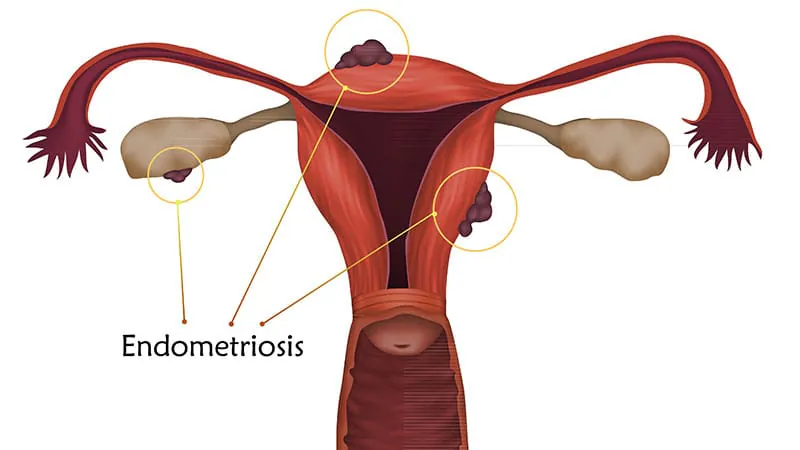
A new study finds that different subtypes of endometriosis have distinct risk factor and comorbidity profiles. Chronic pain conditions were linked to superficial and deep lesions, while depression was inversely associated with endometriomas. Early onset of menstruation also raised the odds of developing the condition overall.
A large pooled study published in the American Journal of Obstetrics and Gynecology reveals that endometriosis isn't a one-size-fits-all condition — its subtypes each carry their own unique risk factor fingerprint. Researchers analyzed data from over 1,200 women with surgically confirmed endometriosis across three population-based studies in the US and UK, classifying cases by lesion type: superficial peritoneal endometriosis (SPE), endometriomas, deep lesions, or a combination.
The findings challenge the assumption that endometriosis risk factors are uniform. Chronic overlapping pain conditions were strongly tied to SPE and deep lesions, immune-related conditions were linked specifically to SPE, and — perhaps most notably — depression was inversely associated with endometriomas, even after accounting for pelvic pain.
Key Takeaways:
Why it matters: These results suggest endometriosis subtypes may have different underlying causes, which could reshape how clinicians diagnose, treat, and counsel patients — moving toward a more personalized approach to care.