Loading Curie Briefs...
Getting the latest healthcare news for you
Getting the latest healthcare news for you

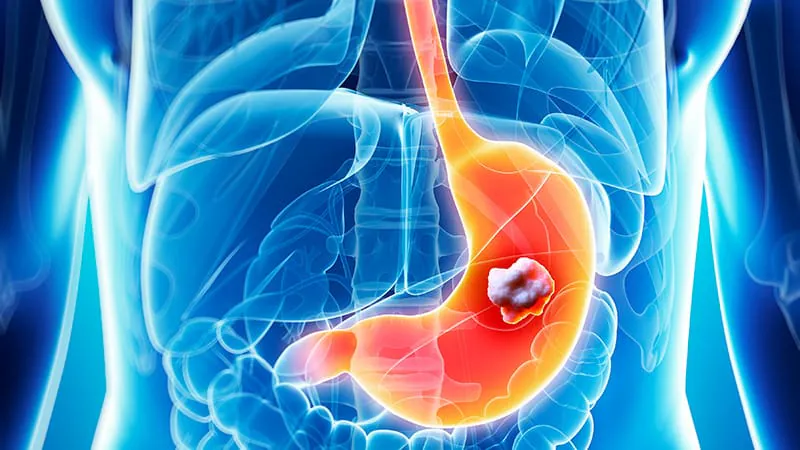
A tumor biomarker linked to longer survival in stomach and esophageal cancer patients receiving chemotherapy has been identified in a large retrospective analysis. Patients with mismatch repair-deficient (MMRd) tumors had significantly better overall and progression-free survival compared to those with MMR-proficient tumors — and chemotherapy didn't erase that edge. The findings challenge concerns that chemo may be harmful in MMRd oesophagogastric cancer.
A large retrospective analysis of over 1,400 patients from two UK clinical trials found that those with mismatch repair-deficient (MMRd) oesophagogastric adenocarcinoma had significantly better survival outcomes when treated with perioperative chemotherapy compared to patients with MMR-proficient (MMRp) tumors. The study, published in the British Journal of Cancer, followed patients for a median of 64 months and evaluated four different chemotherapy regimens.
MMRd tumors were identified in about 5.5% of patients, and this subgroup showed markedly improved overall survival — with a median not yet reached versus 28 months for MMRp patients — as well as better progression-free survival. Importantly, the survival benefit held up even after adjusting for other clinical factors, and was most pronounced among patients who went on to have surgery.
By the Numbers:
Why it matters: These findings push back against the idea that perioperative chemotherapy is harmful in MMRd oesophagogastric cancer — a concern that had been raised given MMRd's known predictive role in other cancer types. For clinicians, MMR status may serve as a valuable prognostic tool in this patient population.