Loading Curie Briefs...
Getting the latest healthcare news for you
Getting the latest healthcare news for you

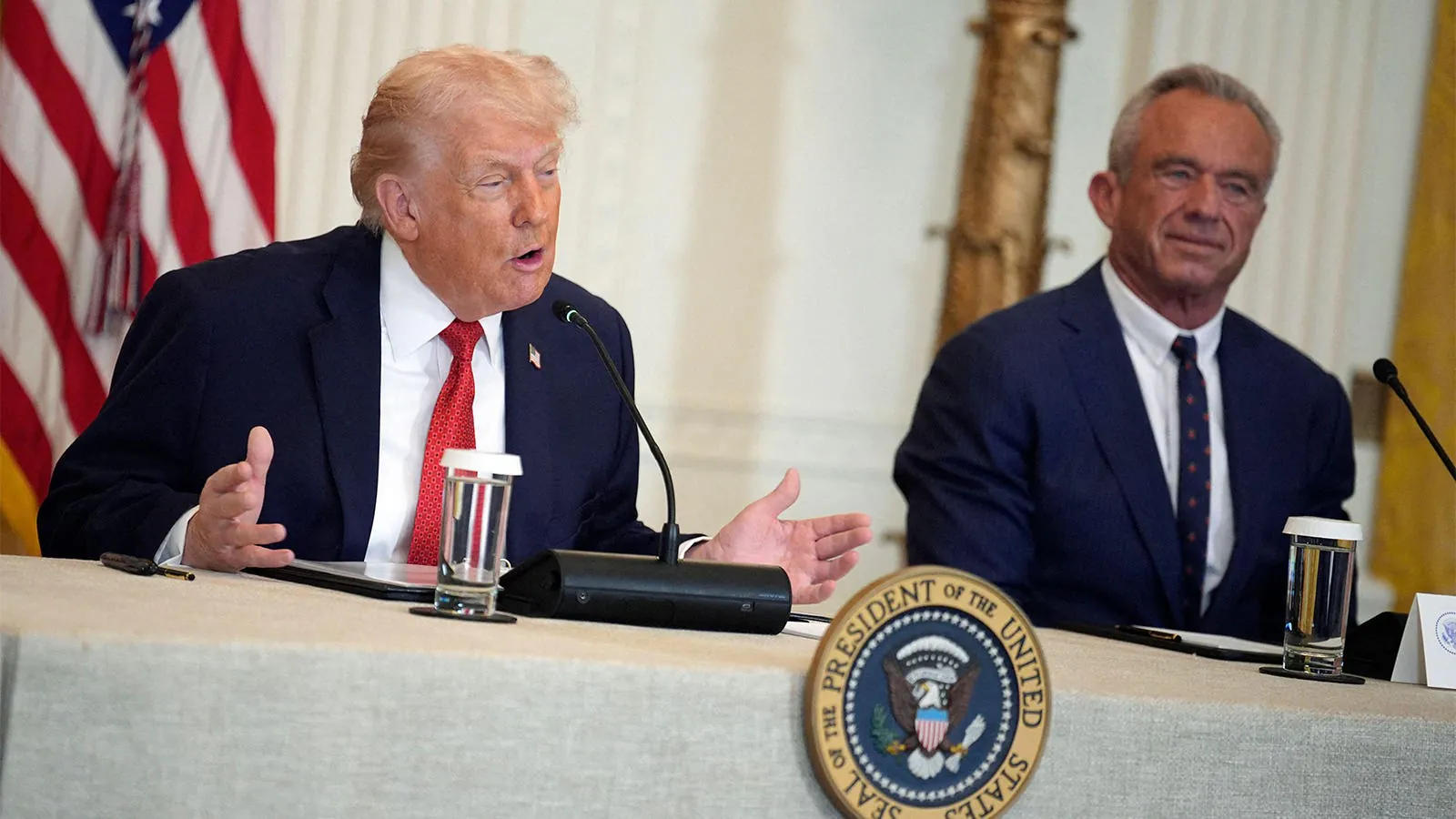
The Trump administration's high-profile health initiatives — from removing artificial food dyes to cutting drug prices — rely on voluntary industry agreements that lack enforcement mechanisms. Critics say the deals are vague, poorly tracked, and often fall short of the bold claims made at press events. With midterms approaching, the gap between promise and reality is drawing scrutiny.
The Trump administration has made a series of headline-grabbing health deals — on food dyes, prior authorization, and drug pricing — but a closer look reveals that most rely on voluntary industry pledges with little enforcement, vague timelines, and minimal public oversight. Analysts and advocacy groups argue the agreements are designed more for political visibility than lasting policy change, with announcements made at televised events but little documentation or follow-through.
Take food dyes: RFK Jr. declared victory on removing nine synthetic dyes from the food supply, but fewer than 30% of the 27 companies that pledged to act have actually met their goals — and the FDA quietly pushed the deadline from end of 2026 to end of 2027. On prior authorization, insurers pledged to reduce preauthorization burdens for 80% of diseases by January 2026, but only an ~11% reduction has been achieved, with no public tracking dashboards launched. And the "most-favored-nation" drug pricing deals apply only to new drugs and a narrow consumer platform, leaving the 200+ million Americans with commercial insurance largely unaffected.
By the Numbers
Why it matters: With midterm elections on the horizon, the gap between the administration's health policy announcements and real-world outcomes could become a key political flashpoint — and a meaningful test of whether voluntary industry deals can substitute for enforceable federal regulation.