Loading Curie Briefs...
Getting the latest healthcare news for you
Getting the latest healthcare news for you

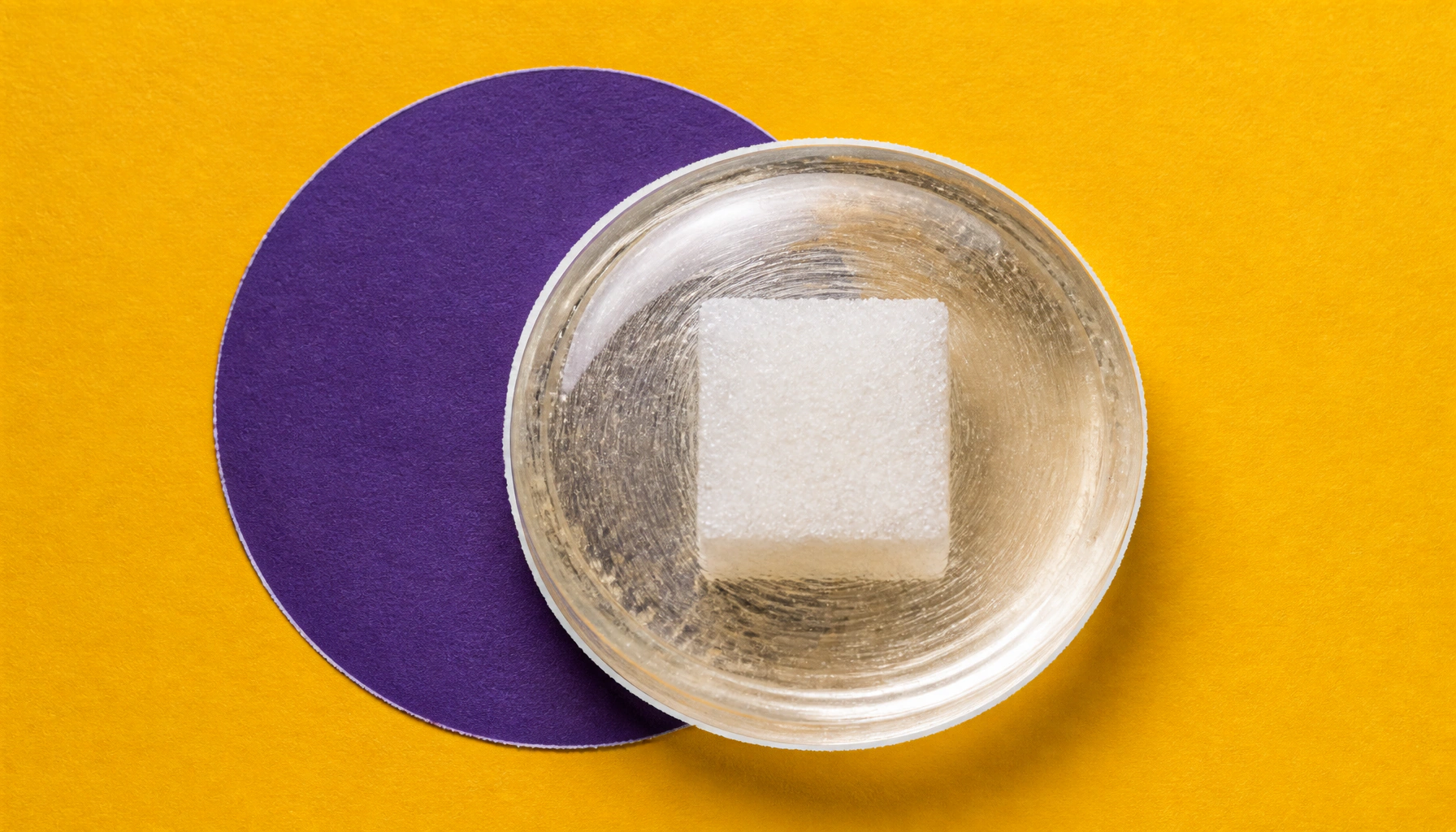
Sorbitol, the sugar alcohol found in sugar-free candy and gum, may not be the harmless swap it's marketed as. New research from Washington University in St. Louis shows the body can convert sorbitol into fructose in the liver — the same metabolic villain linked to fatty liver disease and cancer cell growth. Your gut bacteria may offer some protection, but only up to a point.
Sorbitol — the sugar alcohol sweetening your "diet" candy and chewing gum — may be taking a sneaky metabolic detour. Researchers at Washington University in St. Louis, publishing in Science Signaling, found that sorbitol is essentially "one transformation away from fructose," meaning the body can convert it into a fructose derivative in the liver, potentially triggering the same harmful effects linked to excess fructose consumption, including fatty liver disease and fueling cancer cell growth.
Here's the twist: your gut microbiome plays a key role in whether sorbitol becomes a problem. Certain Aeromonas bacteria can break sorbitol down into a harmless byproduct before it ever reaches the liver. But if those bacteria are absent — or overwhelmed by high sorbitol or glucose intake — the compound travels to the liver and gets converted into fructose-related metabolites.
Key Takeaways:
Why it matters: Millions of people — especially those managing diabetes or metabolic conditions — rely on sugar-free products assuming they're metabolically neutral. This research challenges that assumption and signals that even popular sugar substitutes may carry unintended metabolic consequences.