Loading Curie Briefs...
Getting the latest healthcare news for you
Getting the latest healthcare news for you

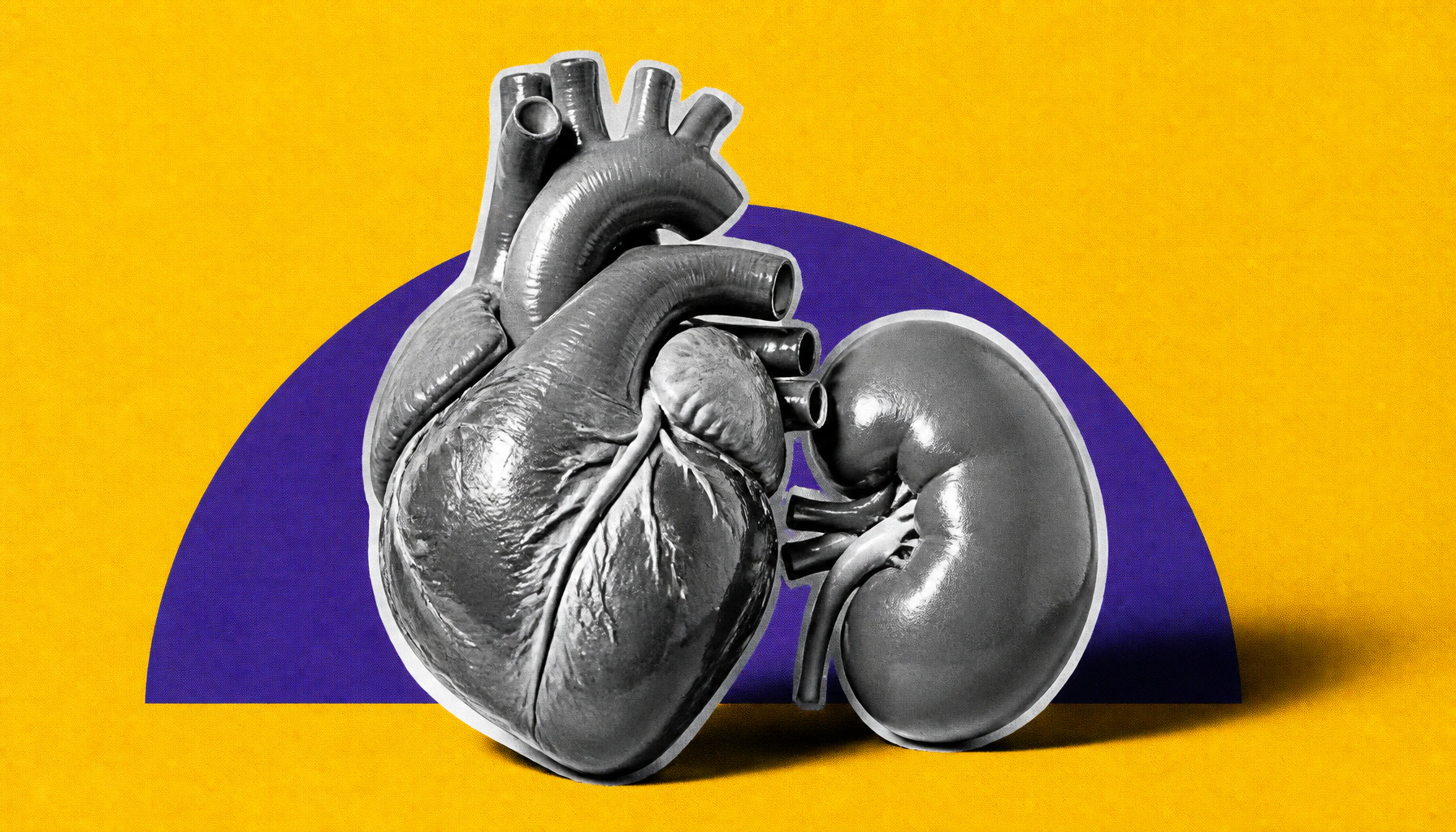
When your heart and kidneys are both struggling, things can spiral fast. The European Society of Cardiology just released its first-ever guidelines for managing cardiovascular and chronic kidney disease together — and the fix may be simpler than you'd think. Early screening with basic blood and urine tests, plus proven therapies like SGLT2 inhibitors and statins, could significantly slow the damage from both conditions.
The European Society of Cardiology (ESC), in partnership with the European Renal Association, has released its first-ever dedicated guidelines for managing cardiovascular disease (CVD) and chronic kidney disease (CKD) together. Published in the European Heart Journal and presented at ESC Congress 2026, the guidelines address a well-known but under-managed clinical reality: each condition can accelerate the other, pushing patients toward dialysis or serious cardiac events far earlier in life.
To guide clinicians, the Task Force introduced the STAMP on CKD framework — Screen, Triage, Address CKD risk, Modify CVD management, and Plan health services. The approach starts with simple blood and urine tests (eGFR and urine albumin-to-creatinine ratio) for every CVD patient at diagnosis, followed by risk stratification and early introduction of therapies like RAS inhibitors, SGLT2 inhibitors, and statins.
Key Takeaways:
Why it matters: An estimated 100 million Europeans live with CKD, and most are at elevated cardiovascular risk. These guidelines give cardiologists and nephrologists a shared roadmap — and a patient-friendly version was also released to support informed, shared decision-making.