Loading Curie Briefs...
Getting the latest healthcare news for you
Getting the latest healthcare news for you

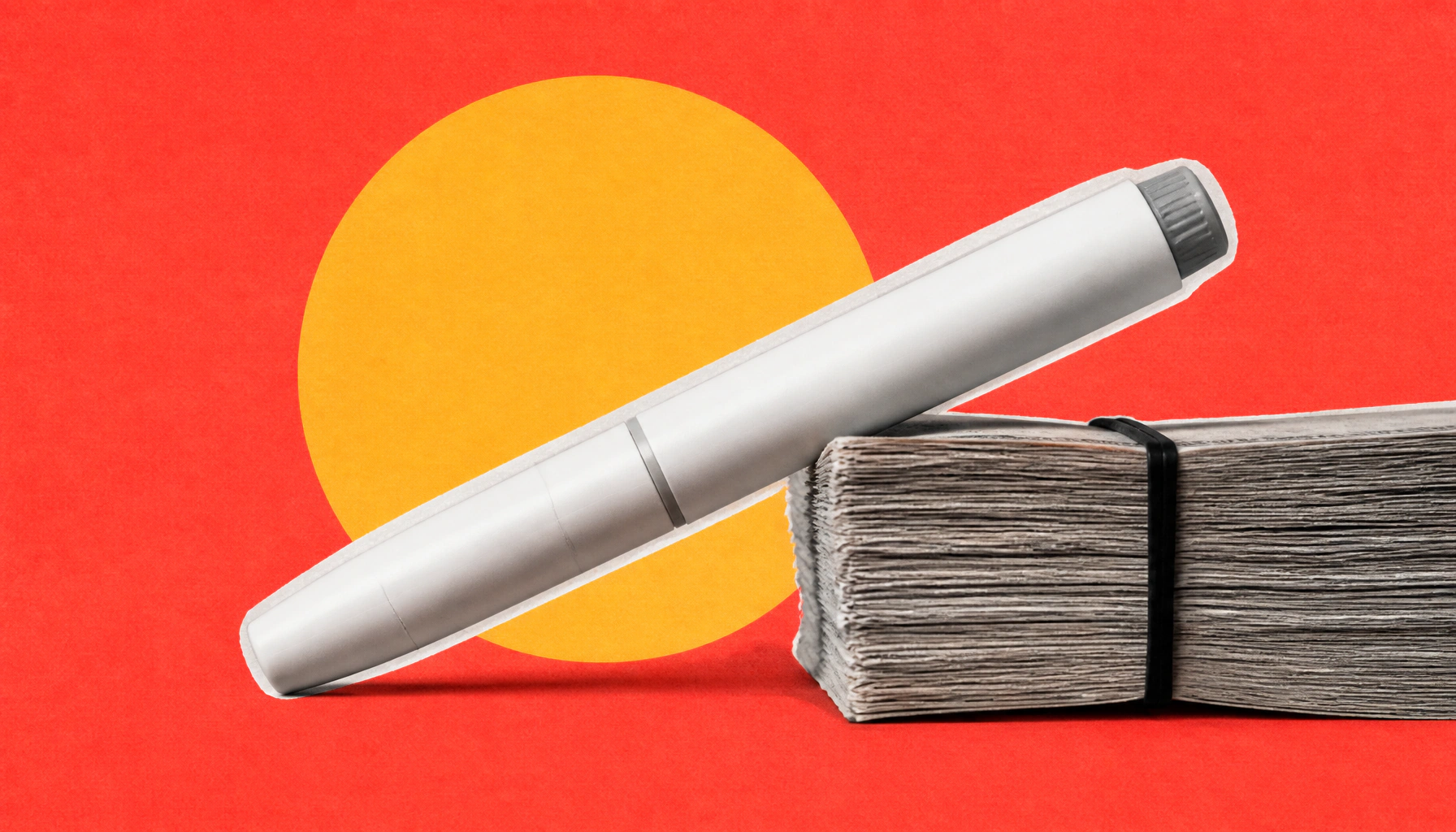
Brace for sticker shock at open enrollment. Employer-sponsored health insurance costs are projected to surge ~11% next year — the biggest jump in over 20 years — driven by rising hospital charges, pricey cancer drugs, and soaring demand for GLP-1 medications. Even after employers trim benefits, costs are still expected to climb around 8%, meaning higher premiums, deductibles, and co-pays for roughly 160 million Americans.
Employer-sponsored health insurance costs are on track to rise roughly 11% next year — the sharpest increase in more than two decades — according to a survey of 1,800 employers by benefits consulting firm Marsh. To soften the blow, many companies plan to scale back coverage, but even with those cuts, costs are still expected to jump around 8%, which would still be the steepest rise since 2003. The roughly 160 million Americans under 65 who get coverage through an employer will likely feel it in the form of higher premiums, deductibles, and co-pays.
Several forces are fueling the surge. Hospitals are charging more, cancer drug prices keep climbing, and demand for GLP-1 medications — used for obesity and type 2 diabetes — remains high. Two newer pressures are also at play: AI-powered clinical documentation is enabling providers to bill more precisely — and more — while some out-of-network doctors are leveraging a new consumer protection law to successfully challenge and increase their reimbursements. Potential Medicaid cuts could compound the problem further, as hospitals facing more uninsured patients may shift costs onto employer plans.
By the Numbers:
Why it matters: This isn't just a corporate budget problem — it's a patient access issue. As employers cut benefits and shift costs to workers, millions of Americans could face difficult choices about the care they can afford. Healthcare providers and policymakers alike will need to grapple with the structural drivers pushing costs ever higher.