Loading Curie Briefs...
Getting the latest healthcare news for you
Getting the latest healthcare news for you

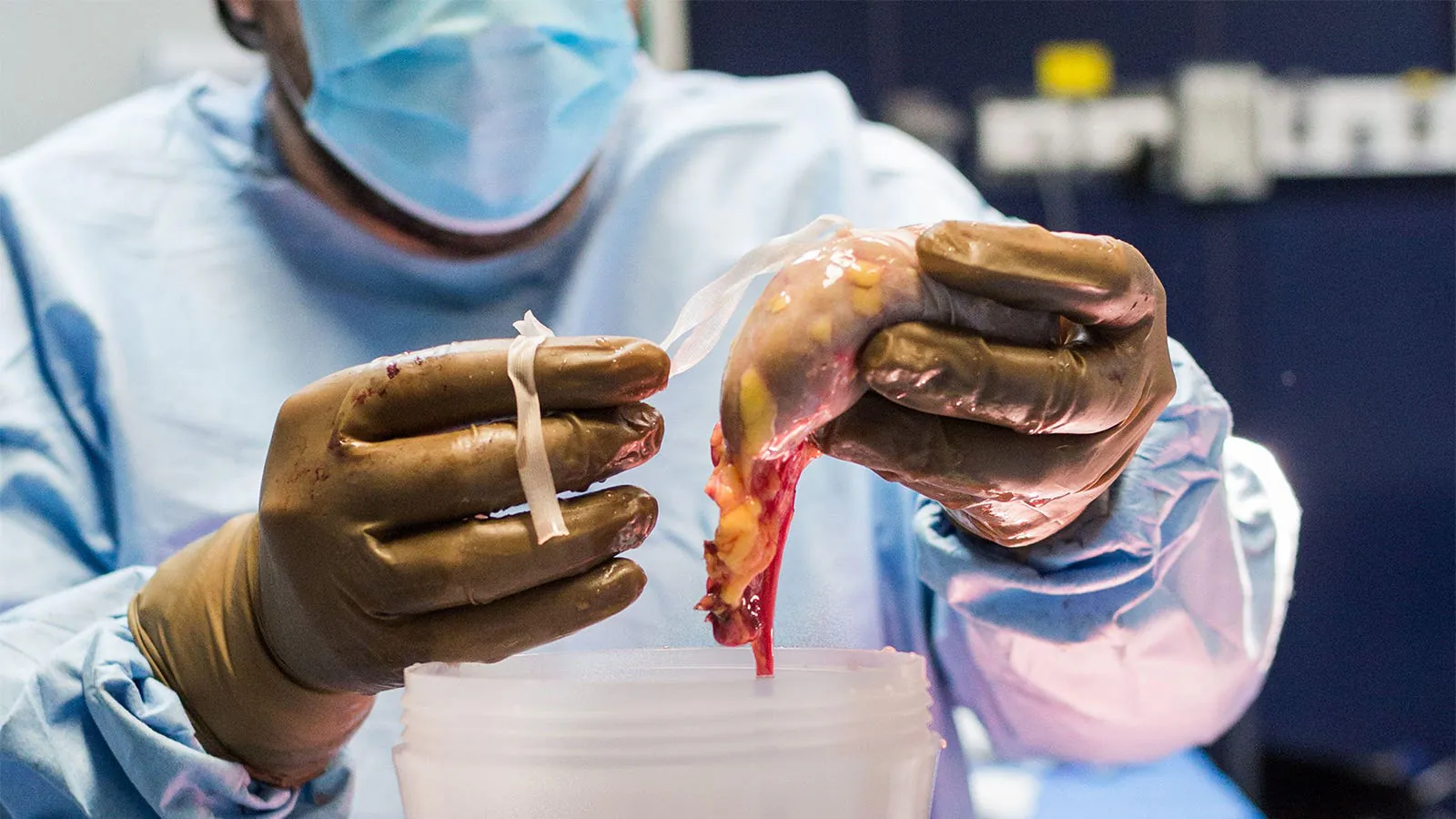
The U.S. kidney transplant system is failing patients due to fragmented care and misaligned incentives — and a shift in NIH funding priorities could make things worse. Over 120,000 Americans develop end-stage kidney disease annually, yet many never get properly educated about transplantation as an option. Health economist Adam Wilk argues that policy-oriented research is essential to fix the system, and cutting NIH support for it would be a costly mistake.
The U.S. kidney transplant system is struggling to serve the patients who need it most, and a new opinion piece by health economist Adam Wilk, PhD, lays out exactly why. From gaps in early patient education to misaligned performance incentives at transplant centers, structural flaws are preventing equitable access to life-saving care — and a recent NIH shift away from policy-informing research could deepen the crisis.
The problems start early: more than half of patients on in-center hemodialysis report never being told about home dialysis or transplantation as options. Referral rates to transplant evaluation vary wildly — from 0% to 75% across dialysis facilities in Georgia alone. And even when patients do get referred, the system is strained: in 2023, nearly 28% of recovered deceased donor kidneys went unused, while close to 47,000 candidates were added to the national waitlist.
By the Numbers:
Why it matters: CMS and HRSA set the rules that govern transplant access, but they need rigorous, data-driven research to get those rules right. If NIH pulls back from funding policy-oriented health services research, regulators lose a critical tool for fixing a system that already leaves too many patients behind.