Loading Curie Briefs...
Getting the latest healthcare news for you
Getting the latest healthcare news for you

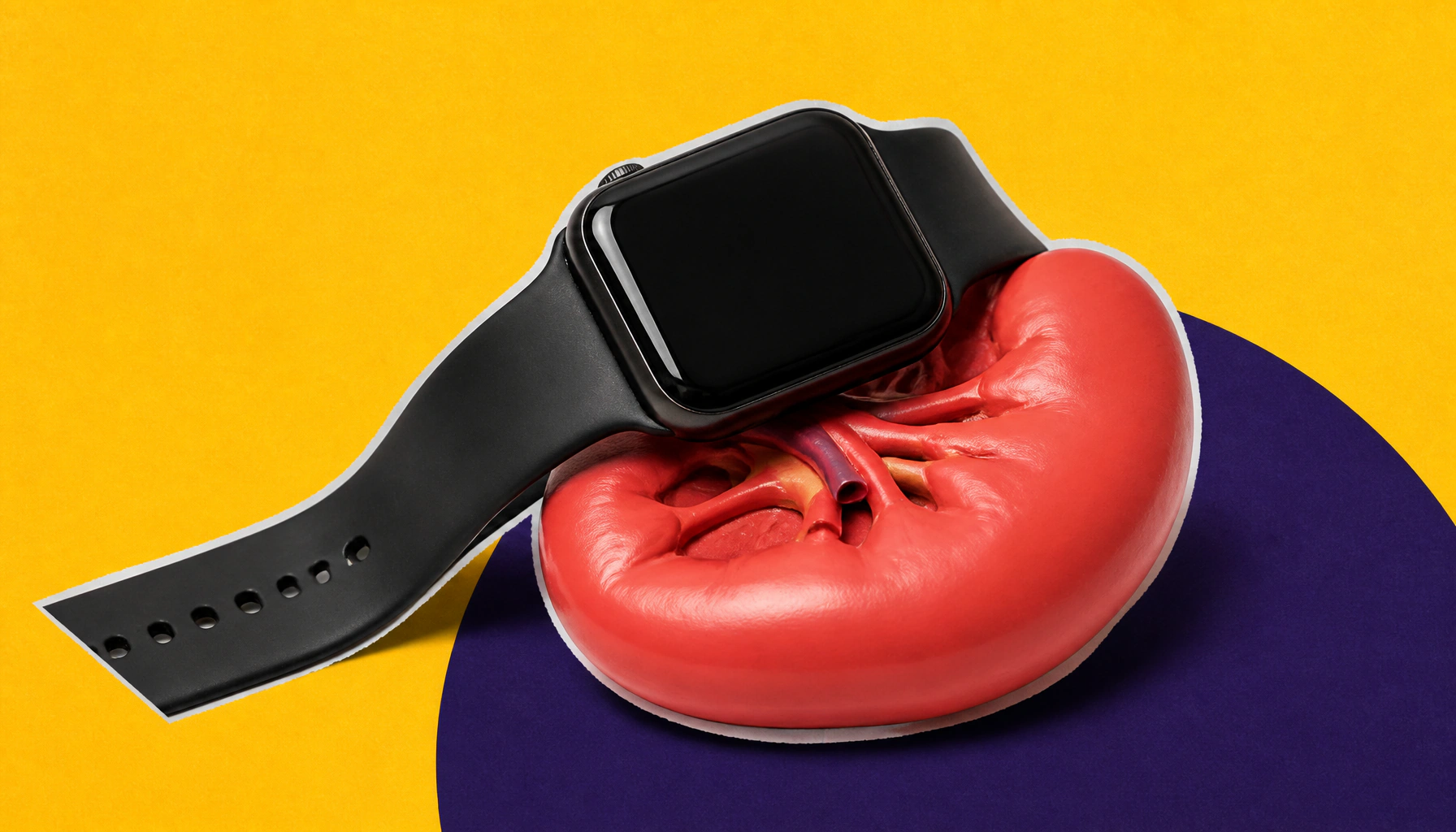
Wearables, remote monitoring, and smarter EMR integration could transform posttransplant care. Experts from Thermo Fisher Scientific say technologies like continuous glucose monitors and at-home urine tests are already reducing clinic visits for kidney transplant patients. But cost, health literacy, and data overload remain real hurdles before these tools can reach their full potential.
Kidney transplant patients typically face a demanding schedule of follow-up visits and lab tests — but digital health innovations are starting to change that. Experts from Thermo Fisher Scientific say remote patient monitoring, continuous glucose monitors (CGMs), at-home urine tests, and EMR integration with local clinics can meaningfully reduce the burden of posttransplant care, cutting down on trips to transplant centers while keeping physicians in the loop.
Looking ahead, innovations like AI-enabled data overlays, pharmacogenetic testing to optimize tacrolimus dosing, and urine-based surveillance assays that could predict rejection earlier — and potentially eliminate the need for kidney biopsies — are on the horizon. Smartwatches that detect arrhythmias are already helping manage comorbidities like cardiac issues and diabetes in this population.
Key Takeaways:
Why it matters: With hundreds of transplants performed annually at major centers, scalable digital tools could dramatically improve patient outcomes and quality of life — but only if access, education, and regulatory gaps are addressed.