Loading Curie Briefs...
Getting the latest healthcare news for you
Getting the latest healthcare news for you

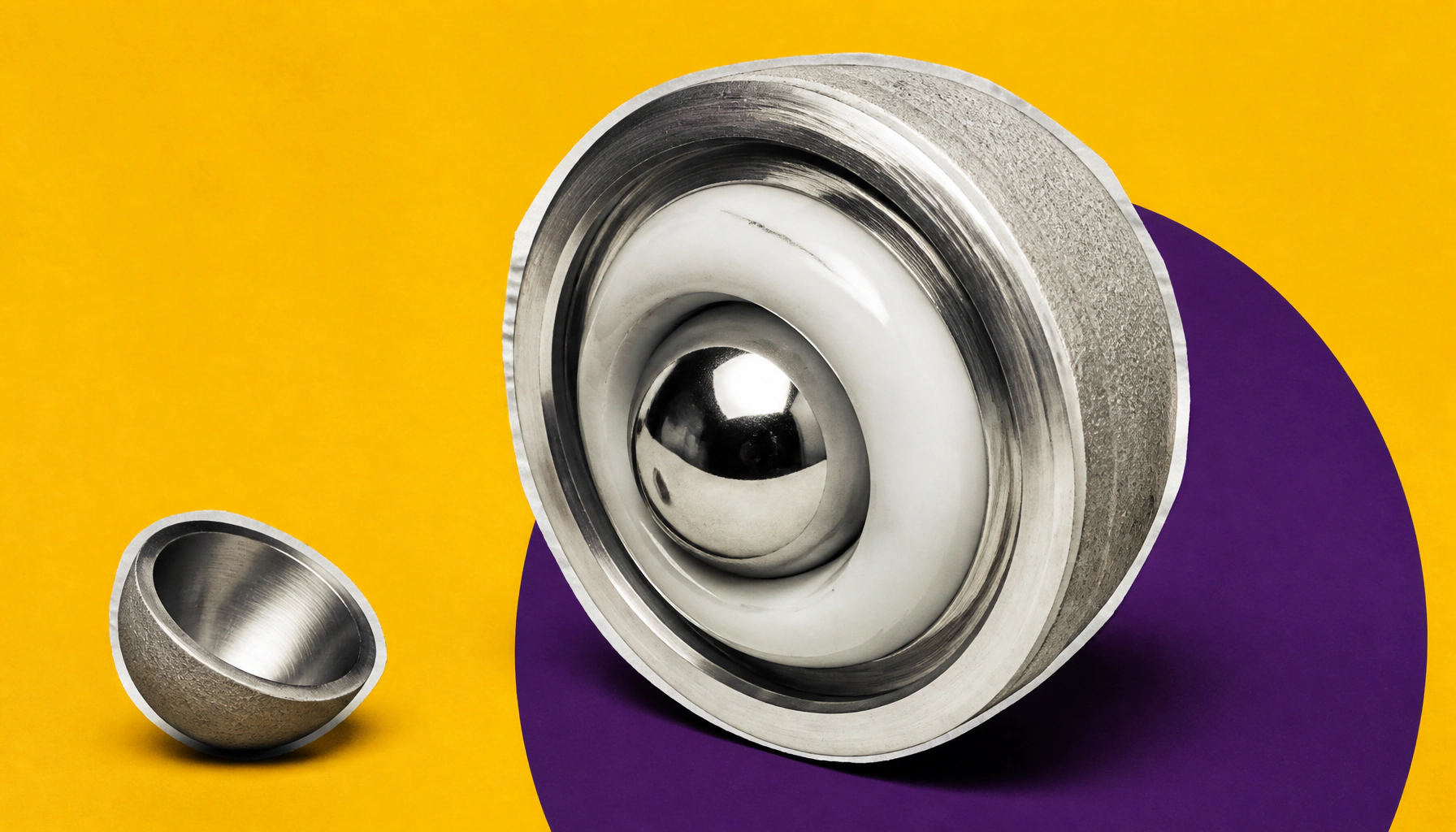
A smarter hip implant for fracture patients. A large randomized trial published in The Lancet found that dual mobility total hip replacement (THR) reduced dislocation risk by 70% compared to standard implants in patients 65 and older with displaced femoral neck fractures. At one year, only 1.3% of dual mobility patients experienced dislocation versus 4.2% with conventional implants — with no trade-offs in infection rates or mortality.
A smarter hip implant for fracture patients
A landmark randomized controlled trial published in The Lancet has found that dual mobility total hip replacement (THR) dramatically reduces the risk of postoperative dislocation in older patients. The DUALITY trial, conducted across 44 hospitals in Sweden and the UK, enrolled 1,566 patients aged 65 and older with displaced femoral neck fractures and randomly assigned them to receive either a dual mobility or standard THR implant.
The dual mobility design features a mobile polyethylene liner that creates a second articulation point, increasing joint stability and reducing the chance of dislocation — the most common surgical complication after hip replacement. Importantly, the benefits came without any increase in infection rates, mortality, or decline in patient-reported quality of life.
By the Numbers
Why it matters: Hip fractures are common and debilitating in older adults, and dislocation after surgery often requires repeat procedures. This trial offers strong evidence that dual mobility implants should be the go-to choice for eligible patients — though wider adoption will depend on expanding surgeon training and familiarity with the technique.