Loading Curie Briefs...
Getting the latest healthcare news for you
Getting the latest healthcare news for you

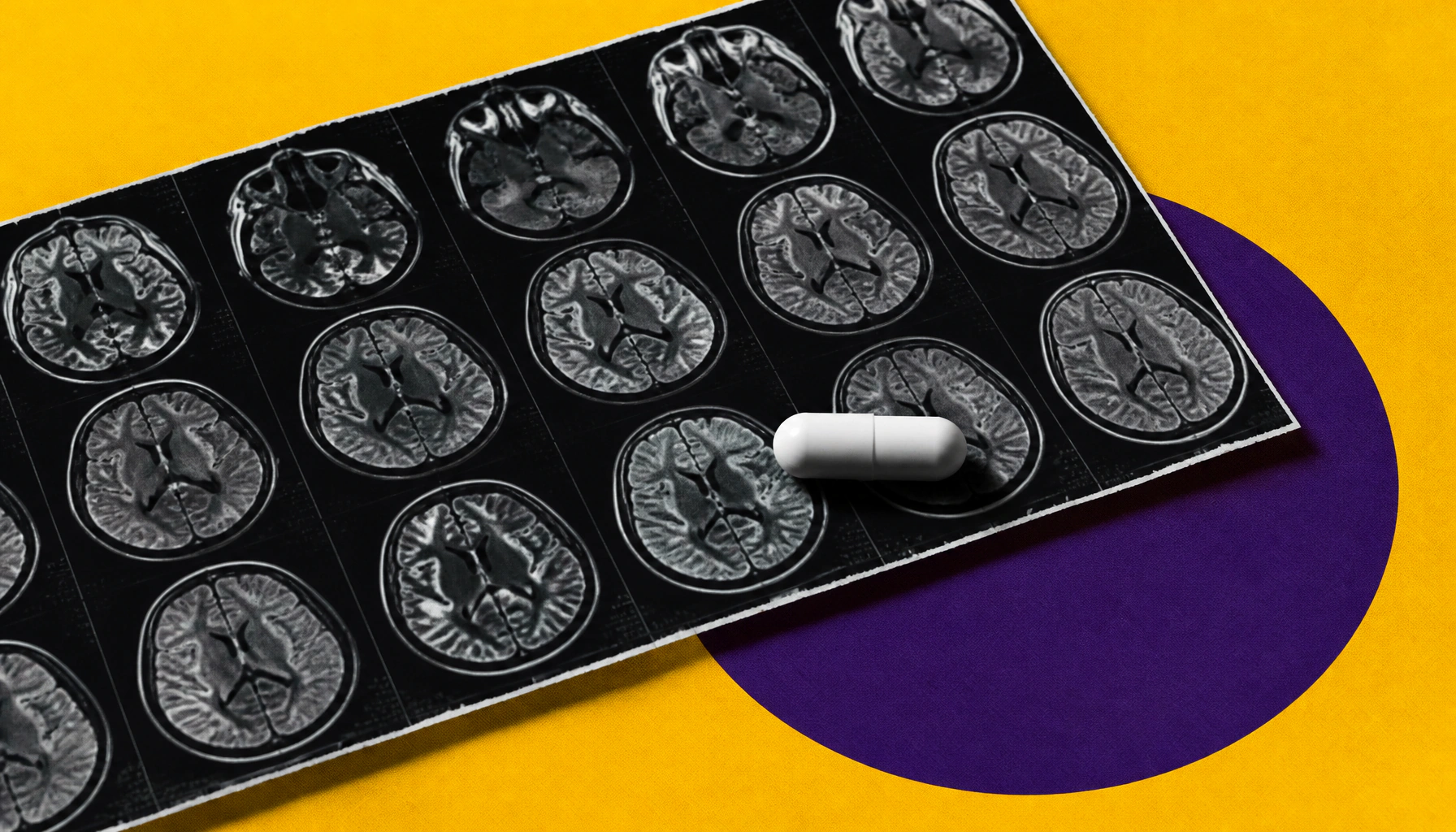
A new pill for multiple sclerosis is showing serious promise. Novartis announced that remibrutinib, an oral BTK inhibitor, significantly outperformed the standard therapy teriflunomide in two large Phase 3 trials (REMODEL-1 and REMODEL-2), cutting relapse rates and MRI lesion counts in patients with relapsing MS. The drug also showed a clean safety profile, with no liver toxicity signals detected.
A new pill for multiple sclerosis is showing serious promise. Novartis announced that remibrutinib — an investigational oral Bruton's tyrosine kinase (BTK) inhibitor — met its primary endpoint in both the REMODEL-1 and REMODEL-2 Phase 3 trials, significantly reducing annualized relapse rates compared to teriflunomide (Aubagio), a currently approved oral MS therapy. The drug also beat teriflunomide on all prespecified key secondary endpoints, including reductions in new MRI brain lesions.
The two identical, double-blind trials enrolled roughly 2,000 adults globally with relapsing MS and randomized them 1:1 to remibrutinib 100 mg or teriflunomide for up to 30 months, with a 5-year open-label extension. A combined analysis of both trials showed a positive trend for 3-month confirmed disability progression and nominal statistical significance for 6-month confirmed disability progression — a meaningful signal for a disease where slowing disability is a key goal. Novartis plans to seek global regulatory approval, with full data to be presented at MSToronto2026 in October.
By the Numbers:
Why it matters: There's a real gap in MS care — patients need oral therapies that can match the efficacy of high-potency infused drugs without the added safety baggage. If remibrutinib clears regulatory review, it could offer neurologists a powerful new oral option that addresses both relapse control and disability progression.