Loading Curie Briefs...
Getting the latest healthcare news for you
Getting the latest healthcare news for you

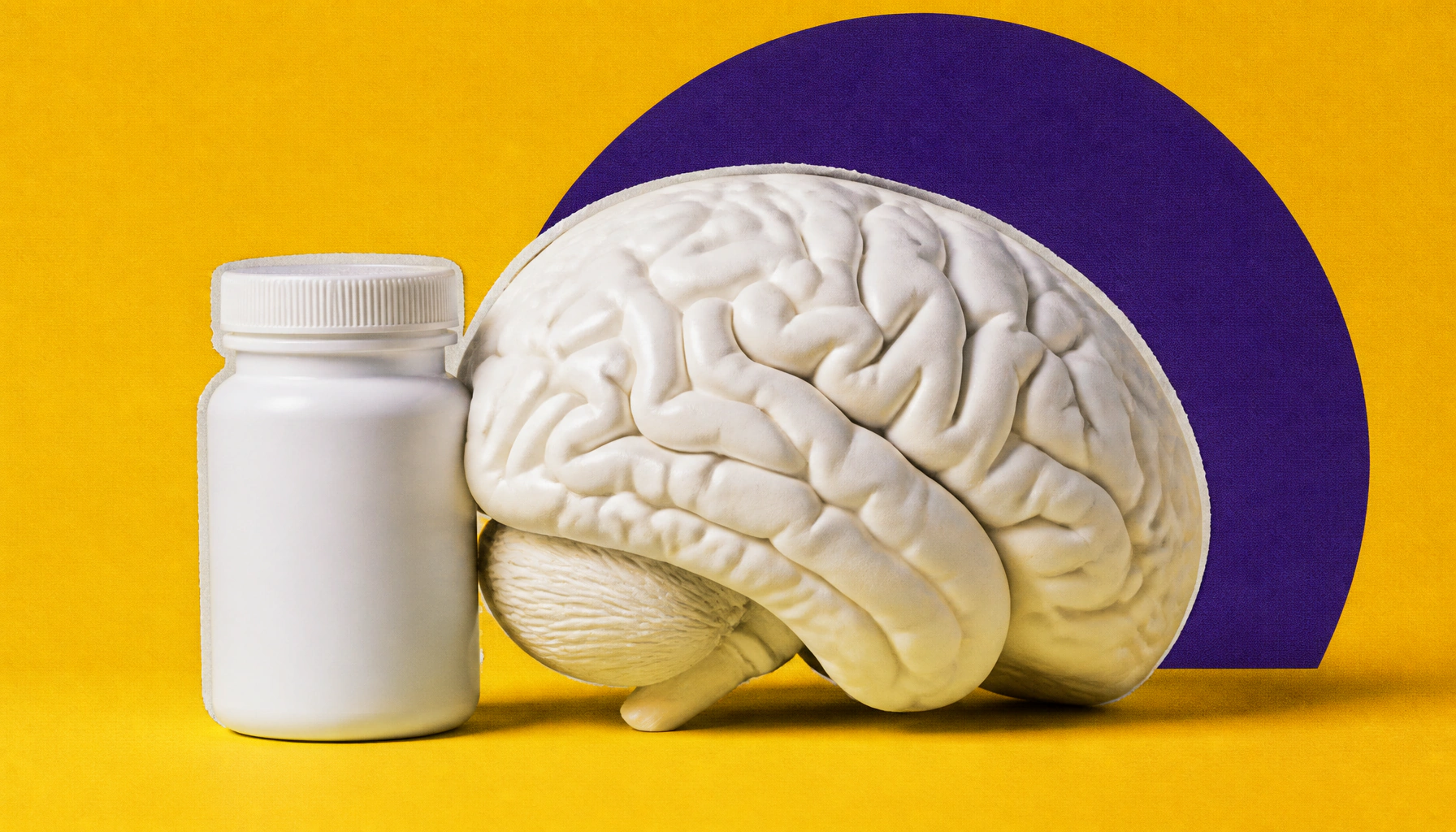
A compound found in edible sea squirts called plasmalogens reversed multiple signs of aging in older mice, including improved memory, stronger brain cell connections, and reduced inflammation. Researchers from Stanford, Xi'an Jiaotong-Liverpool University, and others say it's the first detailed look at how plasmalogens may influence the aging brain. Human trials are still needed, but scientists are optimistic.
Scientists from Stanford, Xi'an Jiaotong-Liverpool University, Shanghai Jiao Tong University, and the University of Chinese Academy of Sciences have found that dietary supplements containing plasmalogens — fat molecules abundant in edible sea squirts — reversed several signs of aging in older mice. The treated mice showed dramatically improved memory and learning, more and healthier synapses (the junctions that allow brain cells to communicate), and significantly lower brain inflammation compared to untreated peers.
Plasmalogens are naturally found in the brain, heart, and immune cells, but their levels decline with age — a pattern also seen in Alzheimer's and Parkinson's disease patients. Researchers believe the compounds may work by promoting nerve cell regeneration, improving synaptic membrane flexibility, and potentially influencing the gut-brain axis. Lead researcher Prof. Lei Fu is so confident in the findings that he takes a plasmalogen supplement himself daily.
Key Takeaways:
Why it matters: Cognitive decline is one of the most feared consequences of aging, and current options to slow or reverse it are limited. If plasmalogen supplementation proves effective in humans, it could open a new, accessible therapeutic avenue for neurodegenerative diseases like Alzheimer's — sourced from a food already eaten in parts of Asia.