Loading Curie Briefs...
Getting the latest healthcare news for you
Getting the latest healthcare news for you

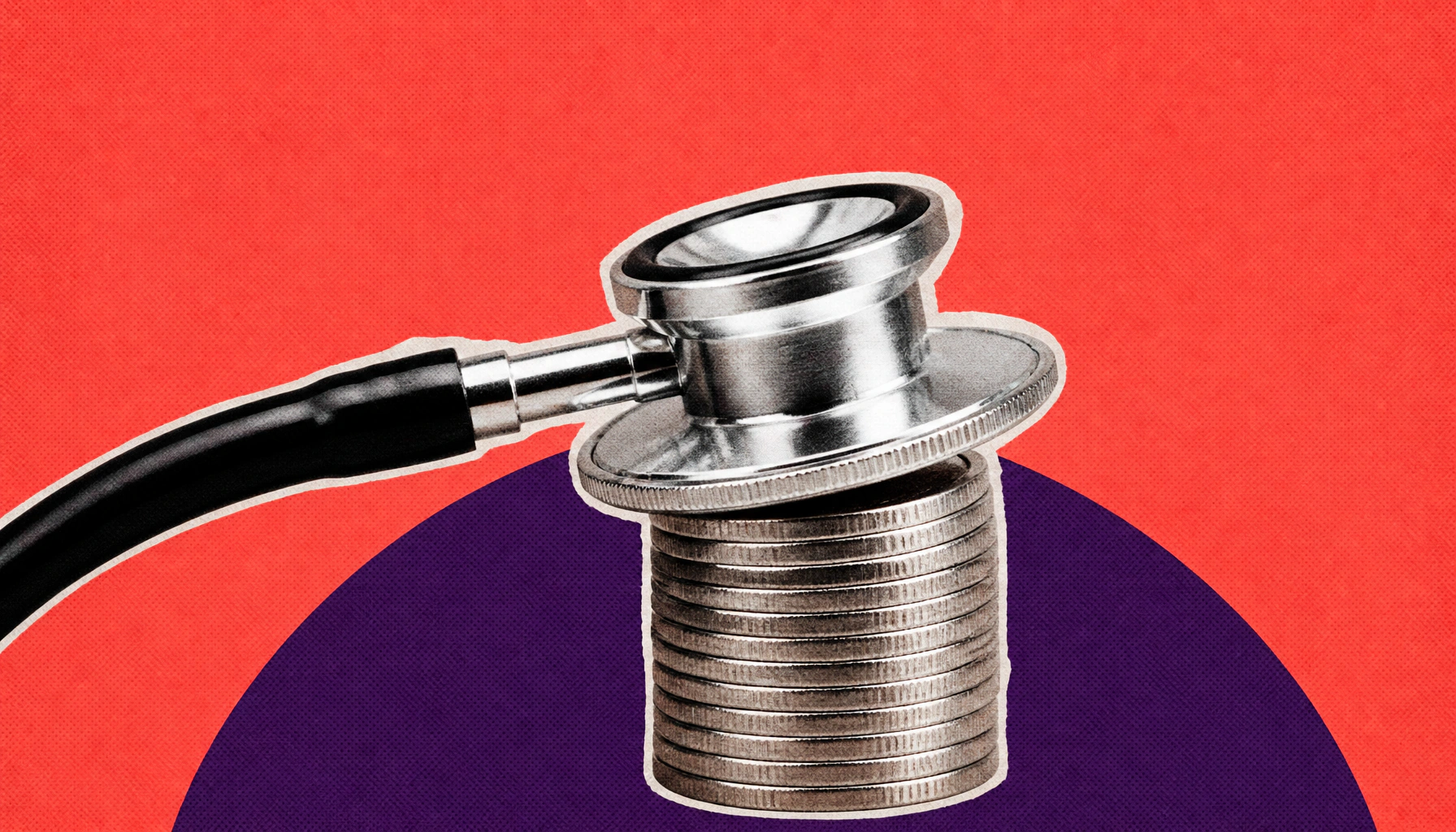
Brace yourself — employer healthcare costs are projected to jump ~11% next year, the biggest spike in more than 20 years. A survey of 1,800 employers found that even after trimming benefits, costs are still expected to rise ~8%. Workers can expect higher premiums, deductibles, and co-pays, while some employers are dropping coverage for obesity drugs and spousal plans altogether.
Employer-sponsored health insurance is about to get a lot more expensive. A survey of 1,800 employers by benefits consulting firm Marsh projects healthcare costs will surge ~11% next year — the sharpest increase in over two decades. Companies plan to offset some of that by scaling back coverage, but even after trimming, costs are still expected to rise ~8%, the steepest climb since 2003. For the ~160 million Americans under 65 who get insurance through work, that means higher premiums, deductibles, and co-pays ahead.
Several forces are driving the spike. Hospitals and drugmakers are charging more, GLP-1 drugs for diabetes and obesity are in high demand, and AI-assisted documentation is enabling providers to bill insurers at higher rates. Out-of-network doctors are also leveraging a new consumer protection law to secure larger payments. Looming Medicaid cuts could push costs even higher, as hospitals shift uncompensated care costs onto employers.
By the Numbers:
Why it matters: This isn't just a corporate budget problem — it directly hits workers' wallets and access to care. As employers drop coverage for GLP-1 drugs and spousal plans, patients may face gaps in treatment. Some large employers, like Miami-Dade County Public Schools, are already exploring direct contracting with providers to regain control of costs.