Loading Curie Briefs...
Getting the latest healthcare news for you
Getting the latest healthcare news for you

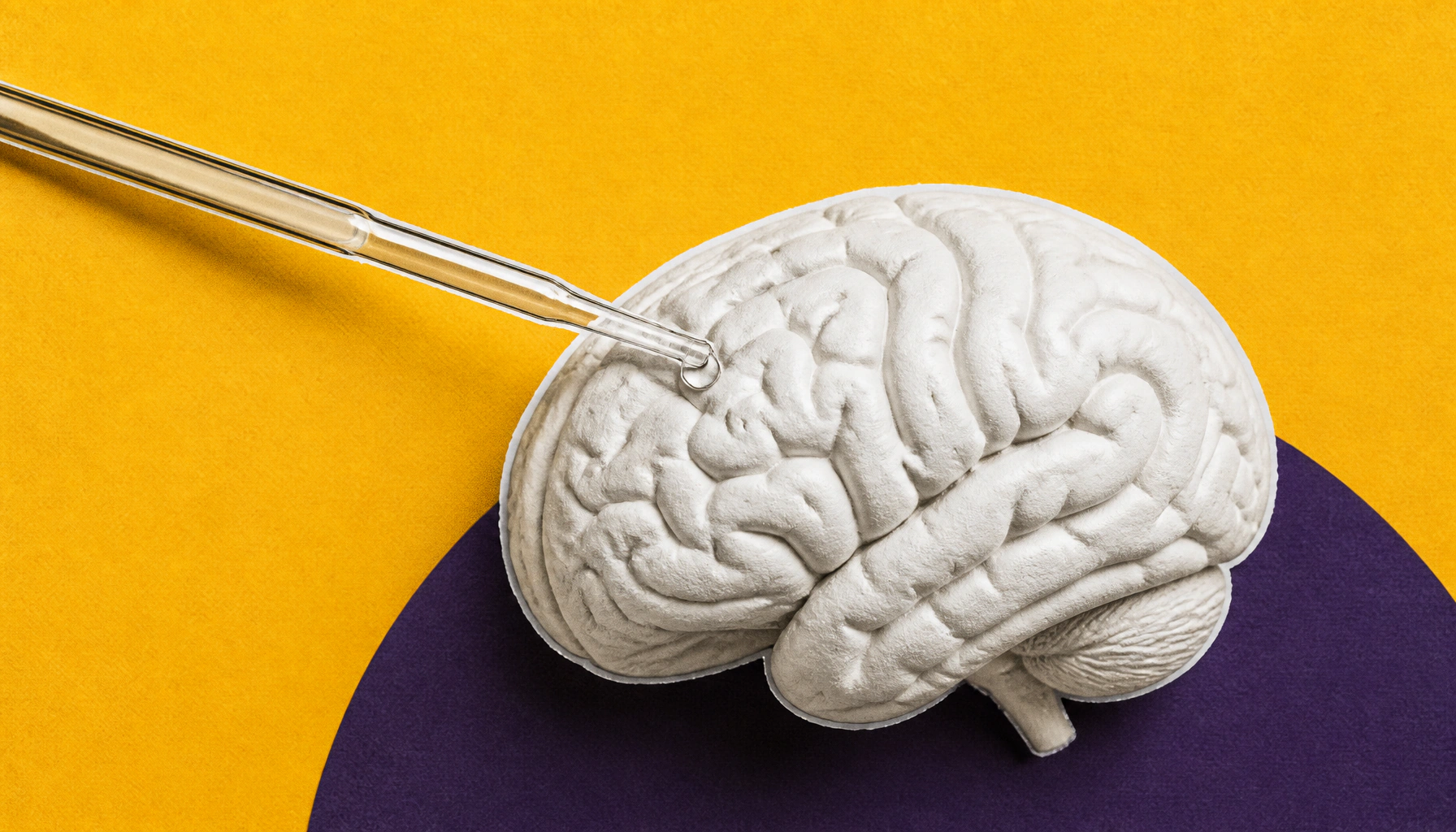
Your brain's blueprint starts before birth — and UCLA scientists just found two surprising forces steering it. Radial glia, the stem cells that build the cerebral cortex, take cues from both glucose metabolism and physical signals from the thalamus to decide what kinds of neurons to make. The findings, published in Cell and Science, shed new light on neurodevelopmental disorders and brain cancer.
Before birth, a special type of stem cell called radial glia makes billions of decisions that shape the brain. UCLA researchers have now revealed two surprising forces behind those choices — and the findings, published simultaneously in Cell and Science, could reshape our understanding of brain development, neuropsychiatric disorders, and even cancer.
The first study found that radial glia rely heavily on the pentose phosphate pathway — a glucose-driven metabolic process — to fuel their rapid division. When glucose was reduced or the pathway disrupted, the stem cells shifted their output, producing more inhibitory neurons and later-arising cell types. In other words, nutrition isn't just fuel; it's a developmental signal. The second study revealed that the thalamus sends physical projections that directly touch radial glia early in development, nudging them to produce more excitatory neurons — especially the upper-layer neurons most expanded in humans. This contact was linked to NRXN1, a gene associated with autism spectrum disorder.
Key Takeaways:
Why it matters: These studies reframe metabolism and physical cellular connections as active architects of brain development — not passive bystanders. That opens new avenues for investigating the roots of autism, other neurodevelopmental conditions, and brain cancers where similar stem-cell programs re-emerge.