Loading Curie Briefs...
Getting the latest healthcare news for you
Getting the latest healthcare news for you


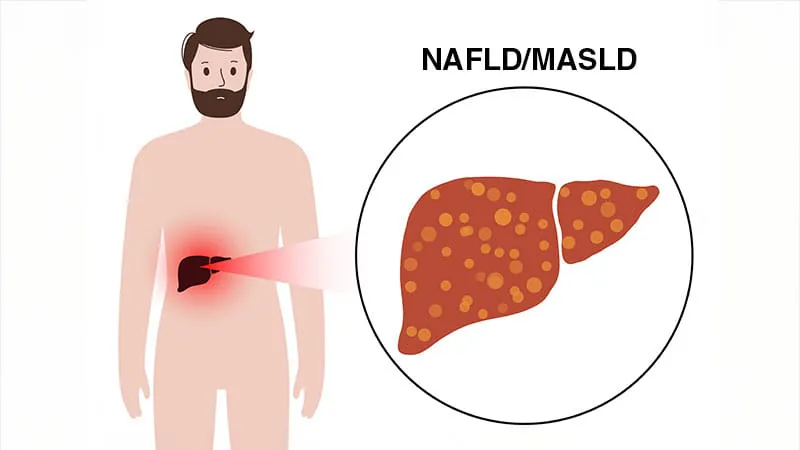
A new clinical trial found that a ketogenic diet outperformed Mediterranean and low-fat plant-forward diets in improving liver health among people with obesity, prediabetes, and fatty liver disease. Even with matched weight loss of ~10% across all groups, keto reduced liver fat by 67% vs. 45% for the others. Surprisingly, it didn't raise cholesterol or worsen blood lipid profiles.
A randomized clinical trial published in Cell Metabolism found that a very-low-carbohydrate ketogenic diet delivered significantly greater liver health benefits than either a Mediterranean or low-fat plant-forward diet — even when weight loss was matched at roughly 10% across all three groups. The study enrolled 42 adults with obesity, prediabetes, and fatty liver disease, providing all meals and weekly dietitian support to ensure strict adherence over four to five months.
The keto group saw hepatic insulin sensitivity rise two to three times more than the other groups, and liver fat drop by 67% vs. 45% in the Mediterranean and plant-forward groups. Perhaps most surprisingly, despite deriving 73% of calories from fat (including saturated fat), keto participants showed no worsening of LDL cholesterol, apolipoprotein B, or blood triglycerides.
By the Numbers:
Why it matters: With GLP-1 medications already transforming obesity treatment, this trial raises a compelling question: could diet composition stack additional metabolic benefits on top of weight loss? Researchers say yes — at least for liver health — though they caution that strict keto adherence in real-world settings remains a major challenge.