Loading Curie Briefs...
Getting the latest healthcare news for you
Getting the latest healthcare news for you

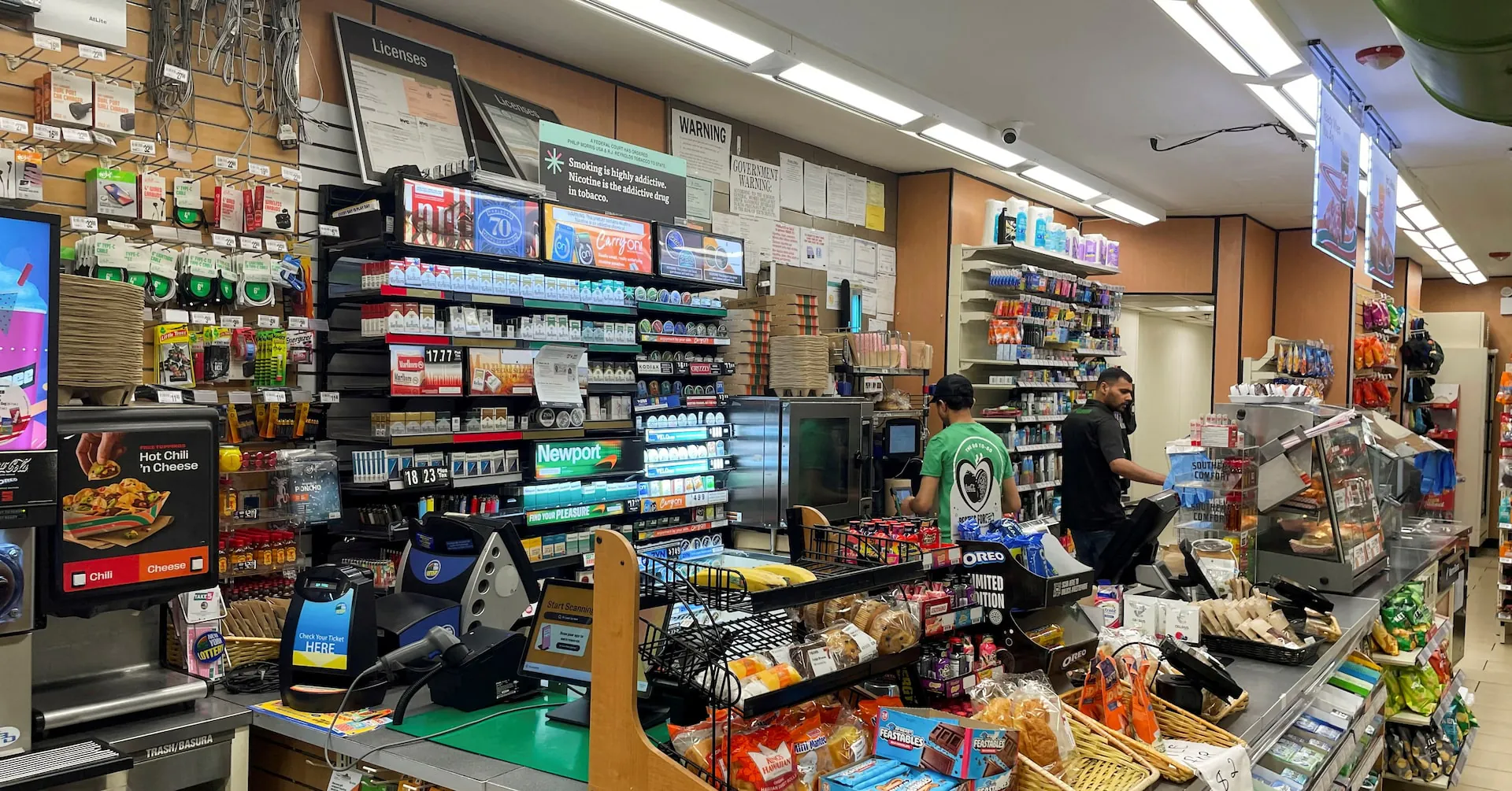
A USDA rule requiring convenience stores to stock more fresh produce and protein is putting food stamp access at risk. Nearly 250 stores warn they may stop accepting SNAP benefits if the November 4 deadline isn't delayed. Major chains like 7-Eleven and Wawa are among those calling for a 6-month enforcement pause.
A new USDA rule is shaking up how convenience stores participate in the Supplemental Nutrition Assistance Program (SNAP). Finalized in May, the rule requires SNAP-authorized retailers to stock at least seven varieties across four staple food categories — dairy, fruits/vegetables, grains, and protein — or risk losing the ability to accept food stamps altogether. The deadline hits on November 4.
The problem? Stores say they haven't gotten enough guidance on how to actually comply. Nearly 250 convenience stores and their trade associations sent a letter to Agriculture Secretary Brooke Rollins on August 31, asking for a 6-month enforcement delay after clearer guidance is issued — enough time to source products, negotiate with distributors, and restock shelves.
By the Numbers:
Why it matters: Convenience stores are often the only food retail option for people with non-traditional schedules or those living in food deserts. If thousands of stores drop out of SNAP, it could significantly reduce food access for some of the most vulnerable Americans.