Loading Curie Briefs...
Getting the latest healthcare news for you
Getting the latest healthcare news for you

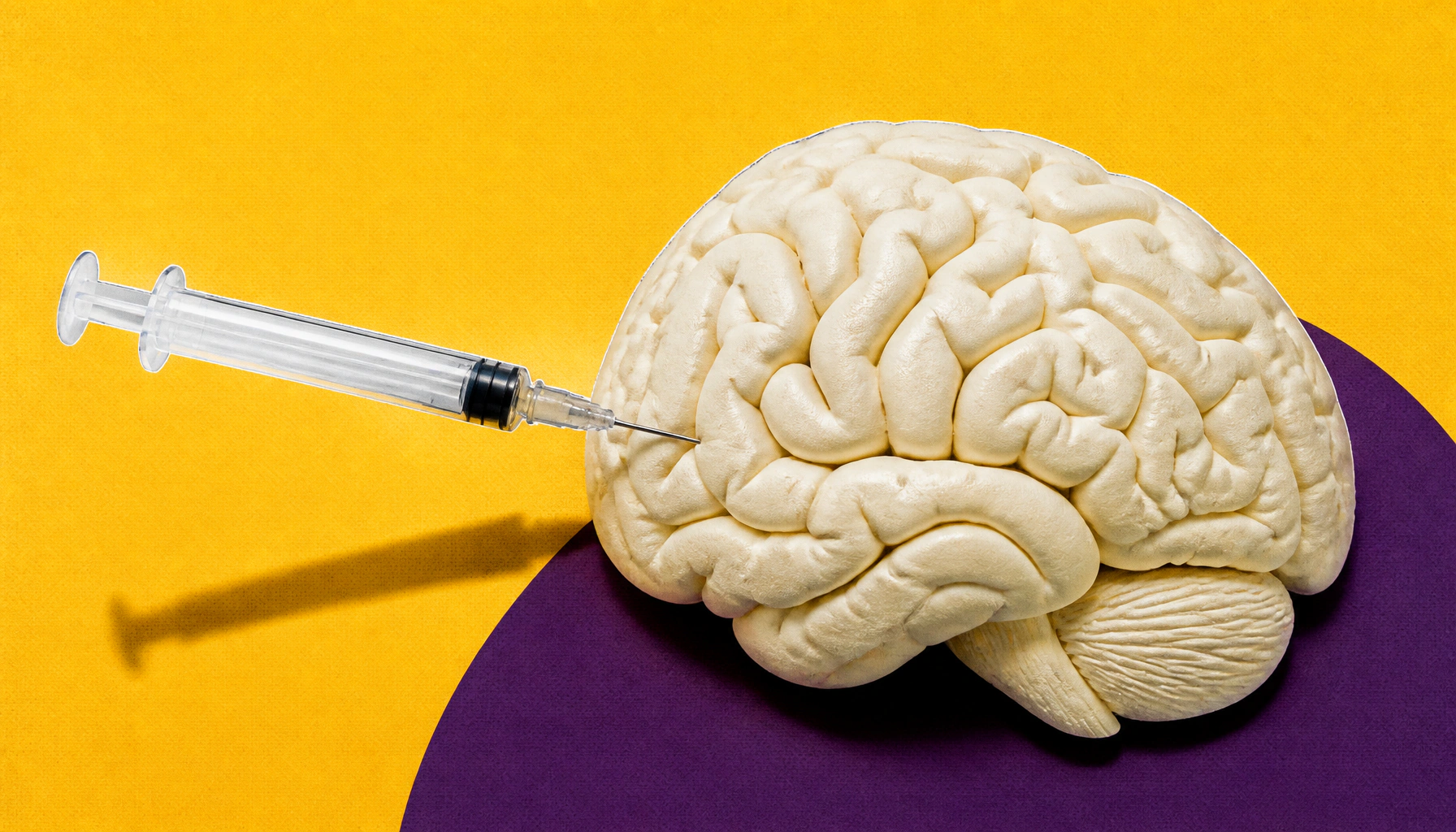
Duke engineers build a brain repair kit in a syringe. Biomedical researchers at Duke University developed an injectable biomaterial scaffold that helped mice recover motor function after ischemic stroke — by recruiting immune cells, regrowing blood vessels, and supporting nerve repair. The treated mice performed as well as healthy controls on movement tests by eight weeks post-treatment.
After a stroke destroys brain tissue, restoring blood flow isn't enough — the lost tissue doesn't come back. Duke University biomedical engineers may have found a way to change that. Their injectable biomaterial, called a microporous annealed particle (MAP) scaffold, is designed to transform the hollow cavity left by dead brain tissue into an active healing environment.
The scaffold works by holding extracellular vesicles (tiny signal-carrying packages from astrocytes) in place within the damaged region. Two signaling molecules — IL-4 and C1q — proved especially effective at drawing immune cells into the injury site. Surprisingly, neutrophils — cells typically associated with early stroke damage — appeared to play a key repair role when recruited at the right time and place, helping drive new blood vessel formation and tissue remodeling.
Mice treated with the optimized scaffold showed measurable improvements in motor function, performing on par with healthy mice by week eight.
Key Takeaways:
Why it matters: Stroke is a leading cause of long-term disability worldwide, and current treatments can't rebuild lost brain tissue. This research opens a potential new avenue for post-stroke recovery — though human trials are still years away.