Loading Curie Briefs...
Getting the latest healthcare news for you
Getting the latest healthcare news for you

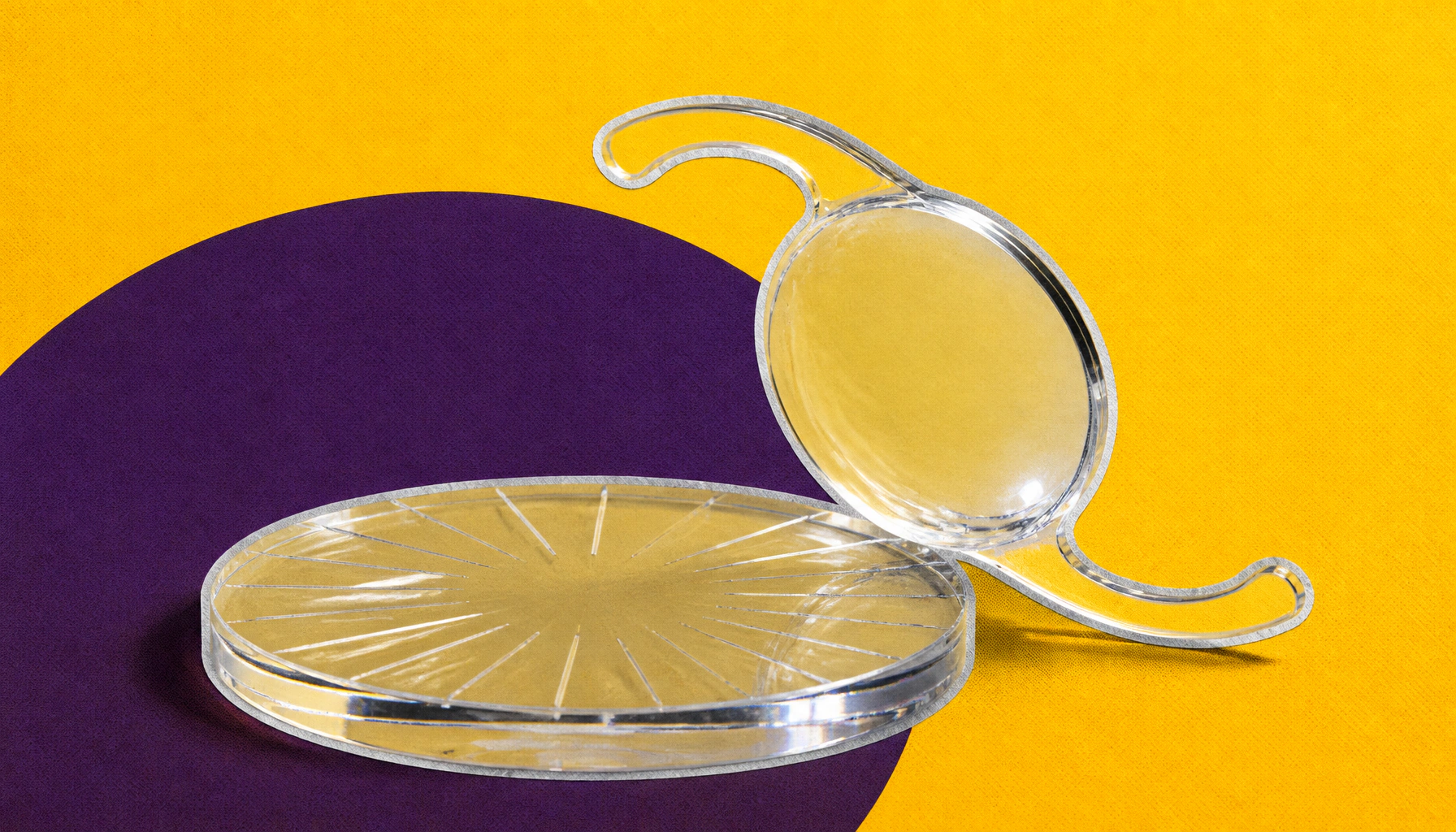
Cataract surgery in post-RK patients is tricky — but two IOLs are rising to the challenge. Experts from CEDARS/ASPENS highlight the IC-8 Apthera and the Light Adjustable Lens as top picks for managing the irregular corneas left behind by radial keratotomy procedures from the '80s and '90s. Careful patient selection, realistic expectations, and a team-based approach are key to success.
Patients who underwent radial keratotomy (RK) in the 1980s and '90s are now hitting cataract surgery age — and their surgically altered corneas make IOL selection a serious challenge. Irregular astigmatism, higher-order aberrations, and biomechanical instability mean standard and premium IOLs often fall short, leaving patients with residual refractive errors and poor visual quality.
In a CEDARS/ASPENS expert panel, three leading specialists weighed in on their preferred IOL strategies. Dr. Kenneth Beckman favors the IC-8 Apthera (Bausch + Lomb) for highly aberrated corneas, leveraging its small-aperture pinhole design to mask up to 2–3 D of irregular astigmatism and reduce halos, starbursts, and glare. He now offers bilateral implantation to carefully screened patients, targeting –0.75 D postoperatively. Drs. Marilyn Zuniga and William Trattler champion the Light Adjustable Lens (LAL, RxSight), which allows UV-based post-surgical fine-tuning — a major advantage given the unpredictable healing of RK corneas. They typically wait 2+ months before the first adjustment and aim for a slight myopic target to offset future hyperopic drift.
Key Takeaways:
Why it matters: As the RK patient cohort ages into cataract surgery, ophthalmologists need a clear playbook. These expert insights offer practical, evidence-informed guidance for navigating one of the field's most complex refractive challenges.