Loading Curie Briefs...
Getting the latest healthcare news for you
Getting the latest healthcare news for you

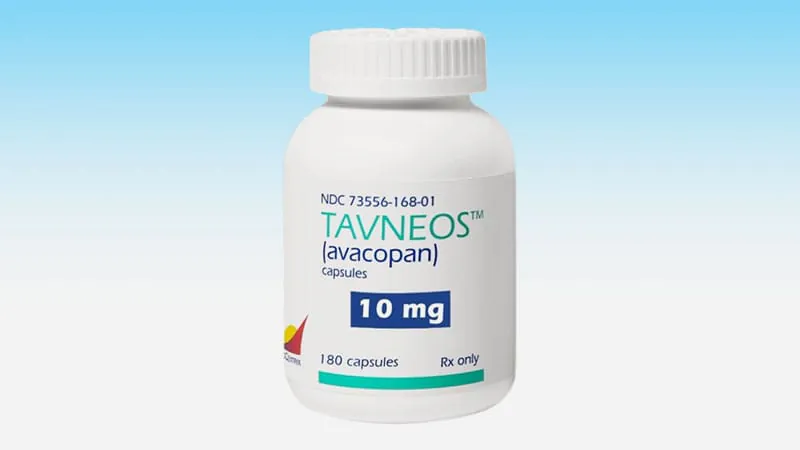
A rare autoimmune drug pulled from shelves — but patients say it works. The UK's MHRA has suspended avacopan (Tavneos) for new patients after concluding that its pivotal ADVOCATE trial data was manipulated, making the evidence of efficacy unreliable. Existing patients get a 6-month window before the drug's marketing authorization is fully revoked in March 2027 — even as real-world evidence continues to support its effectiveness.
The UK's Medicines and Healthcare products Regulatory Agency (MHRA) has suspended avacopan (Avacopan Vifor, previously known as Tavneos in the US) for new patients, effective September 1, 2026, after concluding that the drug's pivotal clinical trial data can no longer be trusted. The ADVOCATE trial — the sole study used to support avacopan's approval for treating ANCA-associated vasculitis (AAV), including granulomatosis with polyangiitis (GPA) and microscopic polyangiitis (MPA) — was retracted by the New England Journal of Medicine, following allegations that unblinded company personnel manipulated endpoint data for nine patients to manufacture statistically significant results.
The controversy isn't limited to the UK. The FDA proposed withdrawing avacopan's US approval in April 2026, citing data manipulation and false statements in the original drug application. Post-marketing data also flagged serious liver injury cases, including deaths from vanishing bile duct syndrome. The European Medicines Agency similarly recommended pulling the drug from European markets.
Why it matters: Avacopan's downfall is a cautionary tale about data integrity in drug development. Despite real-world evidence suggesting the drug genuinely helps patients with a rare, life-threatening condition, regulatory agencies across three major markets are moving to pull it — because the clinical trial foundation it was built on appears to have been deliberately compromised. For patients with AAV, a disease with few treatment options, this leaves a significant treatment gap.