Loading Curie Briefs...
Getting the latest healthcare news for you
Getting the latest healthcare news for you

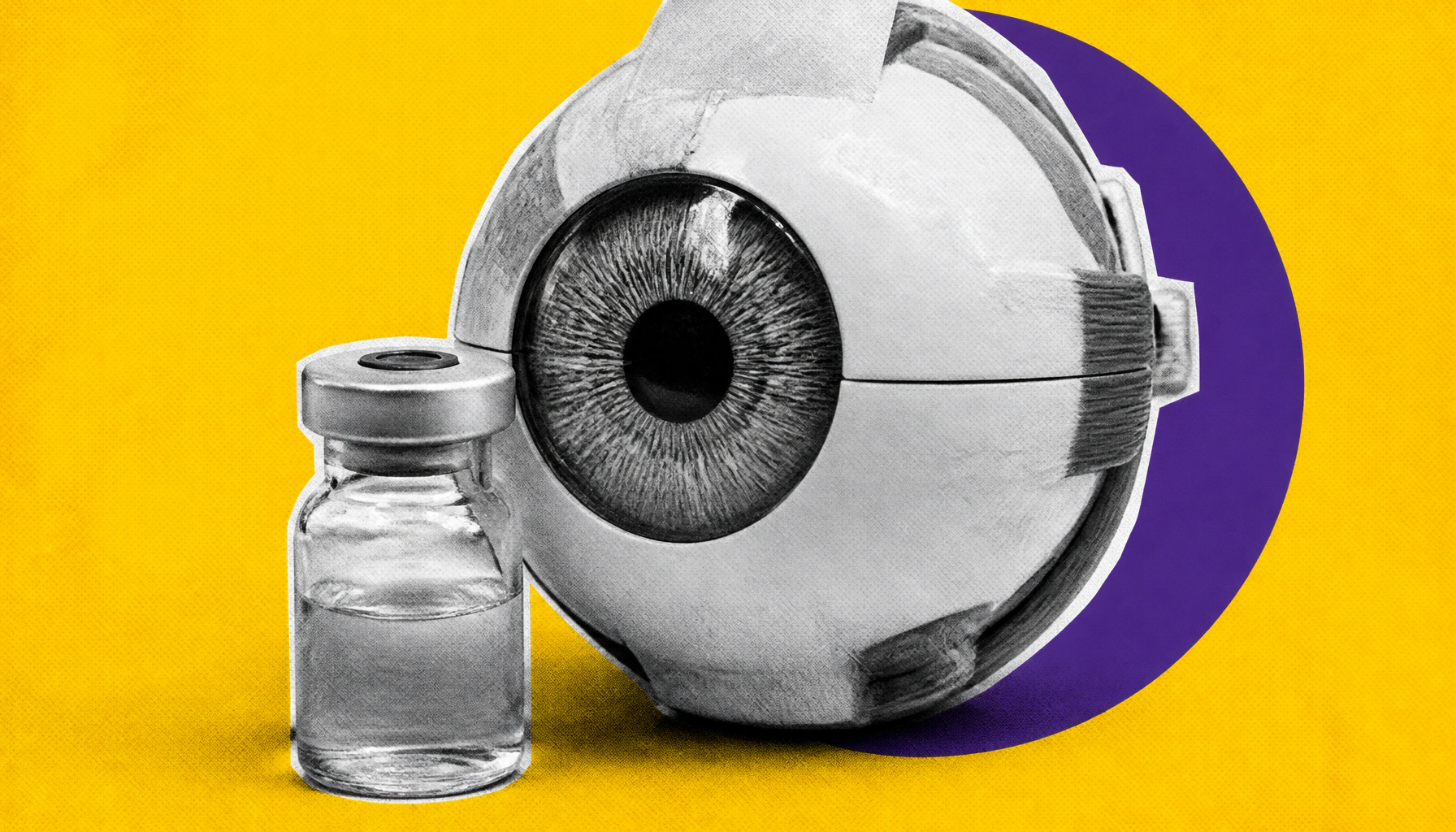
Eye-preserving therapy shows strong results in early retinoblastoma. A study of 133 eyes found that chemotherapy-based treatments can save nearly half of eyes affected by early cT3c retinoblastoma without raising mortality risk or worsening pathological outcomes. Vision improved in nearly half of successfully salvaged eyes, offering a compelling alternative to surgical removal.
Saving eyes without sacrificing survival: new hope for early retinoblastoma patients
A new study published in Ophthalmology offers encouraging news for patients with early cT3c retinoblastoma — a form of eye cancer characterized by neovascular glaucoma. Researchers found that chemotherapy-based, eye-preserving treatments can achieve meaningful globe and vision salvage without compromising survival or increasing the risk of dangerous pathological features, compared to primary enucleation (surgical eye removal).
The retrospective study followed 132 patients (133 eyes) over a median of nearly 53 months. Of the 83 eyes that received eye-preserving therapy, about half were ultimately saved — and vision improved in 46% of those salvaged eyes. Crucially, overall survival was nearly identical between the two treatment groups (98.8% vs. 98.0%).
By the Numbers
Why it matters: Retinoblastoma is the most common eye cancer in children, and losing an eye carries lifelong physical and psychological consequences. This study strengthens the case for trying to preserve the eye first — showing it's not just feasible, but safe.