Loading Curie Briefs...
Getting the latest healthcare news for you
Getting the latest healthcare news for you

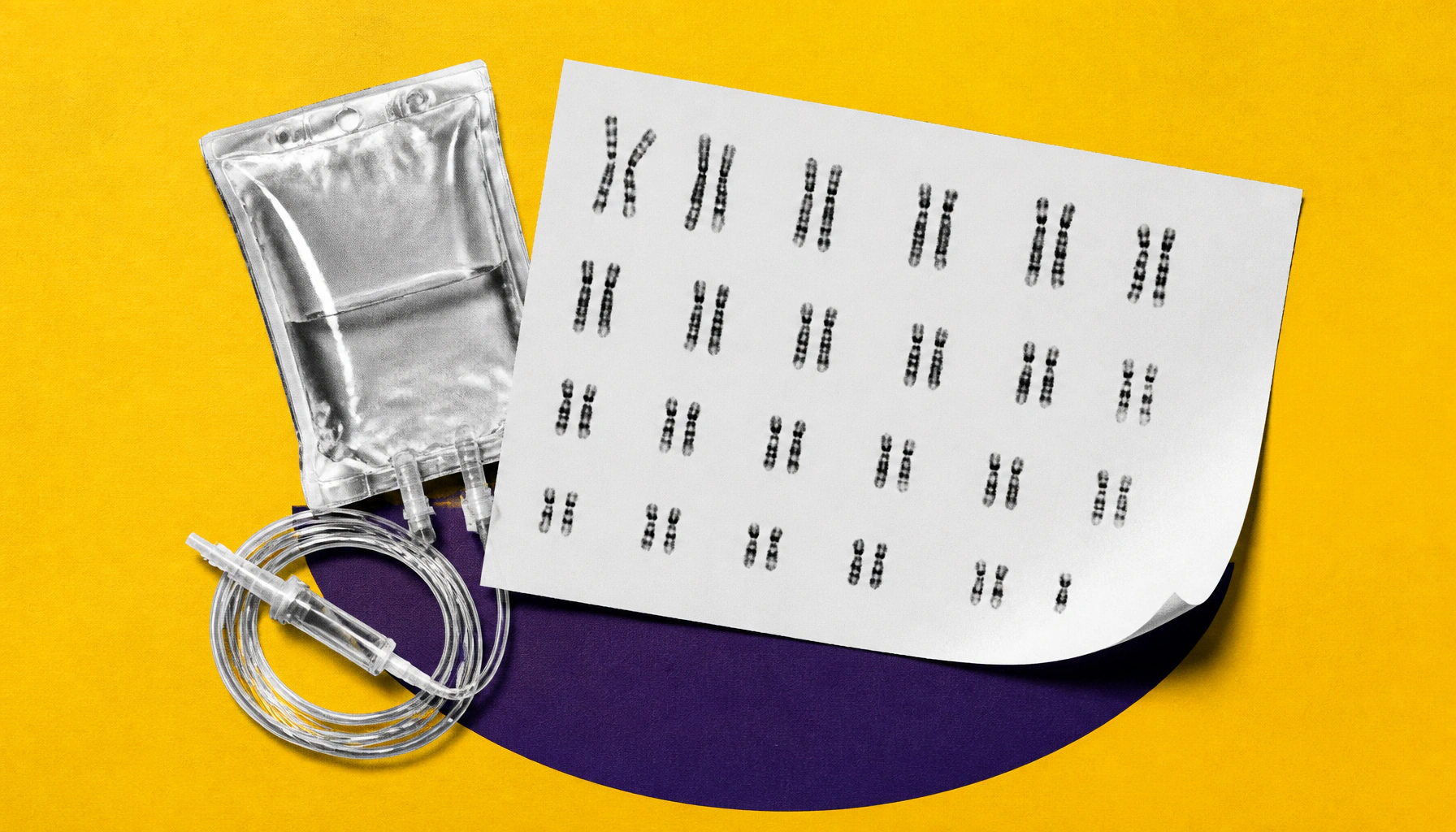
A new genomic staging tool is changing how doctors assess multiple myeloma risk. The IMS/IMWG consensus genomic staging (CGS) system was validated in over 1,200 patients and successfully identified those at high and ultra-high risk for poor outcomes — even with modern therapies. Patients with two or more high-risk genomic features faced roughly three times the risk of death compared to standard-risk patients.
A large real-world study has validated the International Myeloma Society/International Myeloma Working Group (IMS/IMWG) consensus genomic staging (CGS) system in newly diagnosed multiple myeloma (MM) patients — and the results are striking. Evaluated across 1,209 consecutive patients treated at a Greek academic center between 2010 and 2024, the CGS system reliably identified those at greatest risk for poor outcomes, even in the era of novel therapies like anti-CD38 regimens.
The CGS goes beyond older staging tools (like the ISS and R-ISS) by leaning heavily on genomic and cytogenetic features — think chromosomal deletions, translocations, and abnormalities — rather than just biochemical markers. About 25% of patients were classified as high-risk, and a smaller ultra-high-risk group (those with ≥2 high-risk features) faced dramatically worse survival.
By the Numbers:
Why it matters: Older staging systems were built on data from patients treated with earlier-generation drugs, limiting their usefulness today. The CGS offers a more genomically informed, contemporary framework that can help clinicians better tailor treatment strategies — potentially improving outcomes for the highest-risk MM patients.