Loading Curie Briefs...
Getting the latest healthcare news for you
Getting the latest healthcare news for you

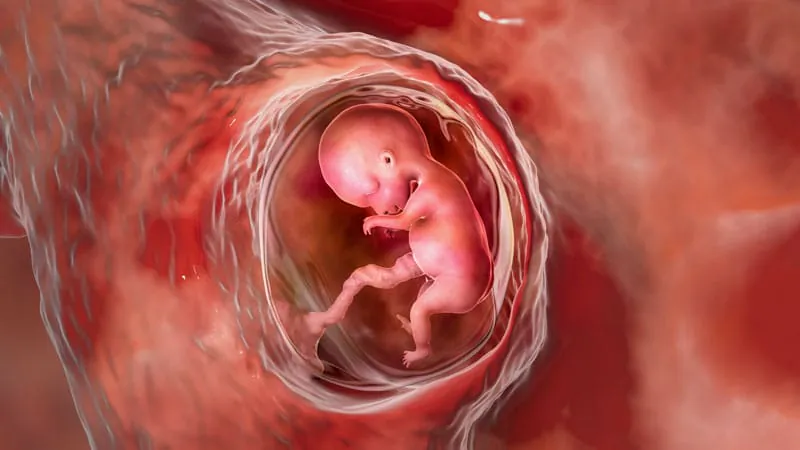
Seizure meds during pregnancy can stunt fetal growth — and the more drugs, the worse the risk. A large international study found that pregnant women with epilepsy taking multiple antiseizure medications faced significantly higher odds of delivering small or low-birth-weight babies. Topiramate and phenobarbital were the riskiest single-drug options, while lamotrigine-based combinations fared better.
A major international study published in The Lancet Neurology has found that prenatal exposure to antiseizure medications (ASMs) is associated with poor fetal growth — and the risk climbs sharply when more than one drug is used. The research tracked nearly 16,000 singleton pregnancies in women with epilepsy over more than two decades, making it one of the largest studies of its kind.
Women on polytherapy (multiple ASMs) were about 50% more likely to deliver a baby that was small for gestational age (SGA) or had low birth weight compared to those on a single medication. Among single-drug regimens, topiramate carried the greatest risk of reduced birth weight, followed by phenobarbital and oxcarbazepine. Lamotrigine was the safest comparator, and combinations involving lamotrigine with levetiracetam or valproic acid showed no significant added risk.
By the Numbers:
Why it matters: These findings should reshape preconception counseling for women with epilepsy. Clinicians are urged to weigh fetal growth risks — alongside malformation and neurodevelopmental concerns — when selecting or adjusting ASM regimens, ideally before conception.