Loading Curie Briefs...
Getting the latest healthcare news for you
Getting the latest healthcare news for you

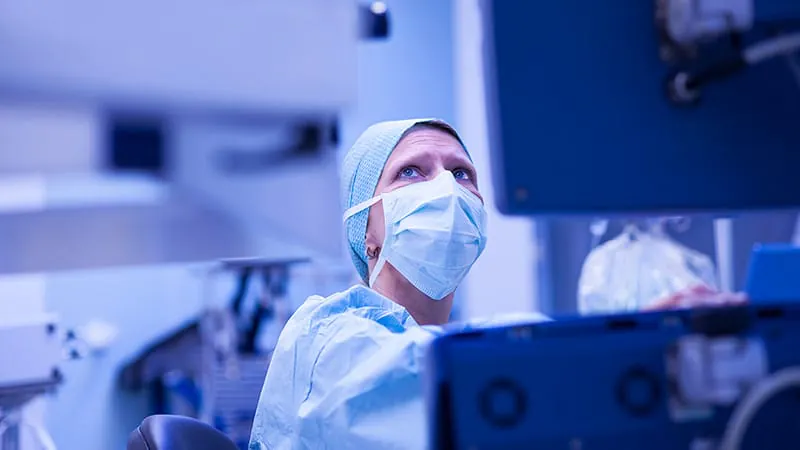
Disposable products — not drugs — are the biggest environmental culprit in cesarean anesthesia, accounting for 80% of the carbon footprint per procedure. A Dutch study found that prepackaged neuraxial trays and syringes are the top offenders, with nearly 7–8 items wasted per surgery. Cutting unnecessary single-use items could meaningfully shrink the OR's environmental impact.
When it comes to the carbon footprint of cesarean delivery anesthesia, it's not the drugs doing the most damage — it's all the plastic and packaging. A prospective study out of Amsterdam UMC analyzed 50 cesarean deliveries and found that disposable products accounted for 80% of anesthesia-related carbon emissions, while pharmaceuticals made up just 20%.
The mean carbon footprint per cesarean was 5.6 kg CO₂-eq. Prepackaged neuraxial trays were the single largest contributor at 1.1 kg CO₂-eq (20% of the total), followed by syringes at 14%. Notably, a portion of that footprint came from items that were opened but never actually used — averaging 7.4 wasted items per surgery.
Researchers say the fix starts with rethinking what gets opened in the first place — tailoring supply use to each specific procedure rather than defaulting to prepackaged bundles.
By the Numbers:
Why it matters: Operating rooms are significant contributors to hospital carbon emissions, and cesarean deliveries are among the most common surgical procedures worldwide. Small changes — like customizing trays or reducing unnecessary single-use items — could add up to meaningful emissions reductions at scale.