Loading Curie Briefs...
Getting the latest healthcare news for you
Getting the latest healthcare news for you

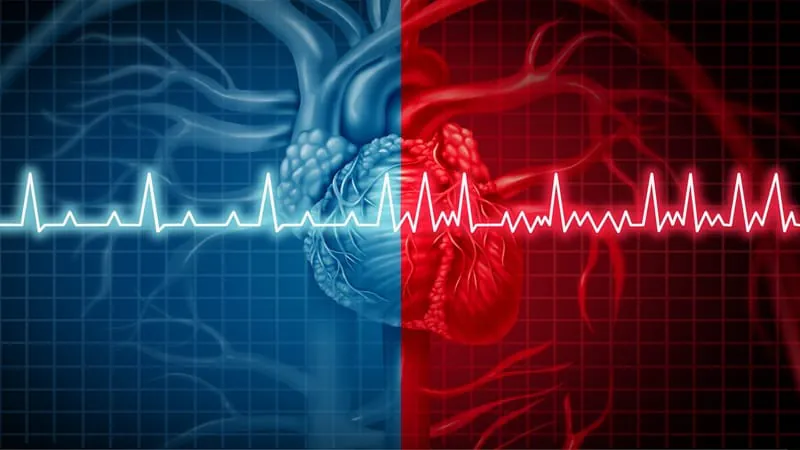
A novel ECG-derived biomarker called periodic repolarization dynamics (PRD) can independently predict which stroke patients are likely to develop atrial fibrillation — even before it's detected. When combined with supraventricular premature complex (SPC) frequency, the model outperformed the standard clinical risk score. The findings could help clinicians better target post-stroke heart rhythm monitoring.
After an ischemic stroke, one of the trickiest challenges is figuring out which patients will go on to develop atrial fibrillation (AFib) — a condition that dramatically raises the risk of another stroke. A new study published in the Journal of the American Heart Association suggests a novel ECG-derived biomarker called periodic repolarization dynamics (PRD) could be the key to identifying those patients early.
Researchers tracked 263 adults with acute ischemic stroke over a median of 17 months. All patients were in normal sinus rhythm at baseline and underwent a 30-minute high-resolution ECG within 5 days of their stroke. PRD — which captures sympathetic nervous system-driven oscillations in cardiac repolarization — independently predicted post-stroke AFib detection, and when paired with supraventricular premature complex (SPC) frequency, the combined model significantly outperformed the existing CHASE-LESS clinical risk score.
By the Numbers:
Why it matters: Identifying post-stroke AFib early is critical — it changes anticoagulation decisions and can prevent recurrent strokes. A simple, ECG-based risk stratification tool could make targeted rhythm monitoring smarter and more efficient.