Loading Curie Briefs...
Getting the latest healthcare news for you
Getting the latest healthcare news for you

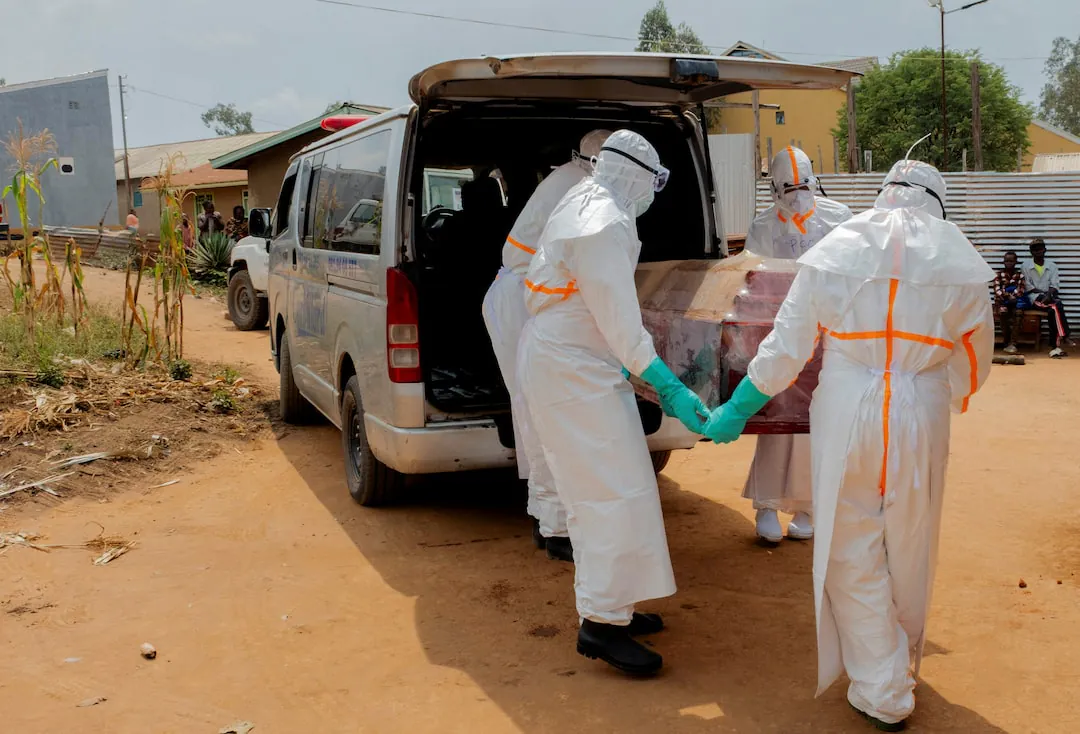
Health officials are using anonymized mobile-phone data to predict where Congo's record-breaking Ebola outbreak could spread next. The WHO and Swedish non-profit Flowminder are analyzing movement patterns from Vodacom's 26M+ subscribers to get ahead of the virus. Early results are promising — all 10 top travel destinations from initial outbreak zones later confirmed Ebola cases.
Health officials battling Congo's deadliest Ebola outbreak on record are deploying a novel tool: anonymized mobile-phone data. The WHO and Swedish non-profit Flowminder are analyzing movement records from Vodacom — Congo's largest telecom operator — to map where people travel and predict where the virus could emerge next. It's the first time this approach has been used in an Ebola response.
The outbreak, caused by the Bundibugyo species of Ebola (for which no approved vaccines or treatments exist), has infected over 6,250 people and killed more than 3,039 since being declared on May 15. Spanning six provinces, it's the fastest-growing Ebola outbreak the WHO has ever recorded. The mobility data has already proven its worth — by end of June, all 10 of the highest-traffic destinations from the original outbreak zones had confirmed cases.
By the Numbers:
Why it matters: Traditional outbreak mapping assumes the virus spreads to nearby areas — but mobility data reveals hidden links between distant regions. This smarter, data-driven approach could help health officials deploy limited resources more effectively and potentially get ahead of the virus before it reaches Congo's capital or crosses international borders.