Loading Curie Briefs...
Getting the latest healthcare news for you
Getting the latest healthcare news for you

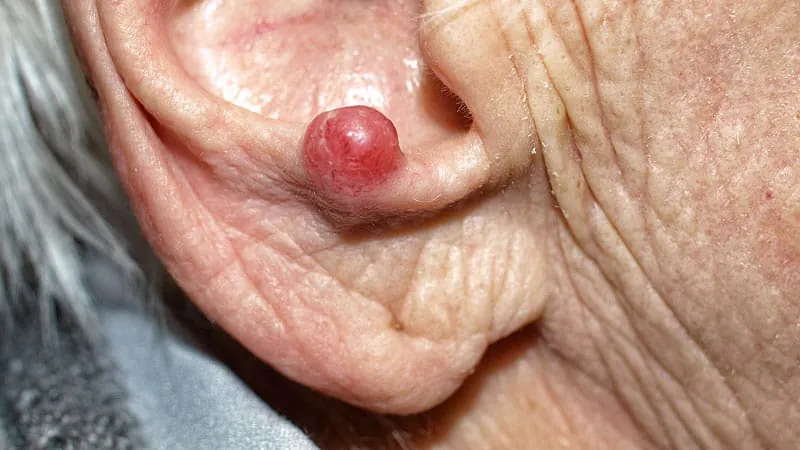
Immunotherapy has transformed outcomes for Merkel cell carcinoma (MCC), with 2-year survival for metastatic disease jumping from 23% to 54% since checkpoint inhibitors arrived. Leading MCC expert Paul Nghiem, MD, PhD, breaks down what's new — from de-escalated radiation protocols to blood-based biomarkers — and previews two major upcoming trials that could reshape how this rare skin cancer is managed.
Merkel cell carcinoma (MCC), a rare and aggressive skin cancer, has seen a dramatic shift in outcomes since immune checkpoint inhibitors entered the picture. According to Paul Nghiem, MD, PhD — one of the world's foremost MCC experts — 2-year relative survival for metastatic MCC more than doubled from 23% to 54% between 2010–2012 and 2019–2021, a trend reflected not just in clinical trials but in national SEER data.
Beyond survival gains, the field is evolving on multiple fronts. A new study found that substantially reduced postoperative radiation after narrow-margin excision still achieved excellent local control in stage I–II MCC, suggesting de-escalation is feasible for select patients. Two highly accurate blood-based biomarkers can now detect recurrences early, potentially reducing the need for routine surveillance imaging.
Key Takeaways:
Why it matters: MCC is uncommon but deadly, and its management is evolving fast. Insights from MCC immunotherapy resistance may also inform treatment strategies for more common cancers.