Loading Curie Briefs...
Getting the latest healthcare news for you
Getting the latest healthcare news for you

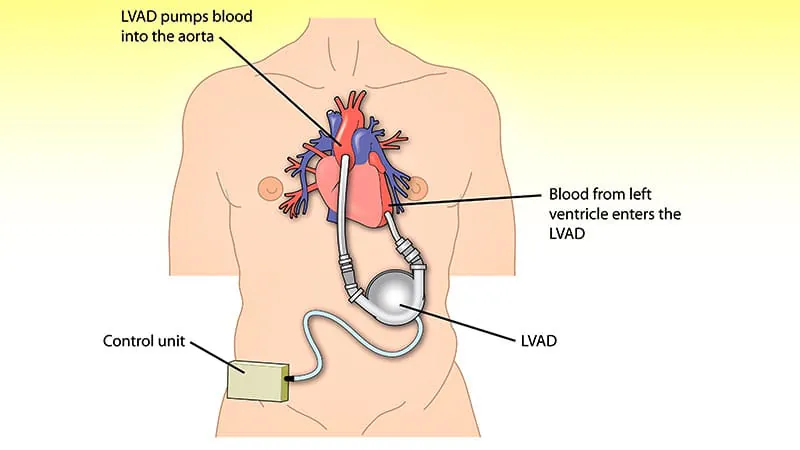
A new study finds that 18% of children who receive ventricular assist devices (VADs) end up on them for more than 6 months — and of those, 1 in 5 are still on the device two years later. Older kids with cardiomyopathy were most likely to need prolonged support. With heart transplant wait times growing, the findings have major implications for how long pediatric patients can safely rely on mechanical heart support.
A new study published in the Journal of the American Heart Association sheds light on what happens to children who need ventricular assist devices (VADs) — mechanical pumps that help a failing heart — for the long haul. Analyzing data from over 1,100 pediatric patients across North America, researchers found that 18% remained on VAD support beyond 6 months. Of that group, just over 20% were still alive on the device at the 2-year mark, while 65% had received a heart transplant and 9% had died.
Kids who needed longer-term support tended to be older (median age ~11 vs. ~5 years) and more likely to have cardiomyopathy. The good news: among those discharged home with an implantable device, patients spent a median of 82% of their first year alive and out of the hospital.
Key Takeaways:
Why it matters: As heart transplant wait times grow longer, understanding how children fare on extended VAD support is critical. This data helps clinicians better counsel families, identify high-risk patients early, and plan long-term care strategies for kids who may be on these devices far longer than originally anticipated.