Loading Curie Briefs...
Getting the latest healthcare news for you
Getting the latest healthcare news for you

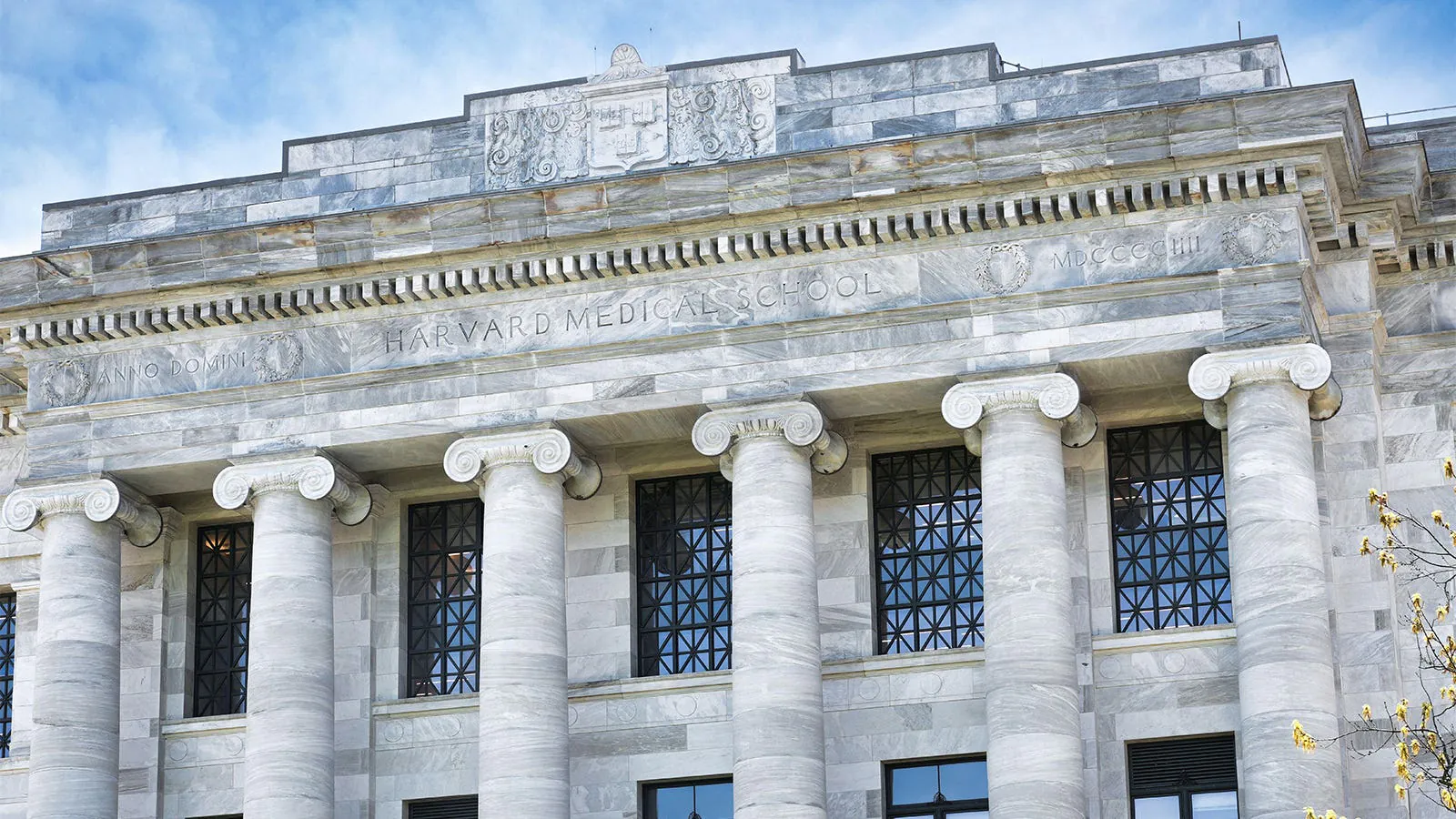
Harvard's $53M settlement over stolen donor remains raises hard questions about oversight in medical education. A former HMS student argues the scandal goes beyond one rogue employee — and that students, families, and donors deserve a full accounting. Congress is now weighing national standards for body donation programs.
Harvard Medical School's cadaver scandal — in which former morgue manager Cedric Lodge was sentenced to 8 years in prison for stealing and selling donated human remains — has resurfaced with new urgency after Harvard agreed to a $53 million settlement with affected donor families. The misconduct, which ran from 2018 through at least March 2020, involved the removal and sale of organs, skin, hands, and other body parts entrusted to the school for teaching and research.
Writing as a former HMS student, Dr. Dhruva Gupta argues the scandal is far more than a "one bad apple" story. He raises pointed questions about whether the theft disrupted the school's anatomy curriculum — noting that his class never received traditional cadaver-based training, with COVID cited as the sole explanation. Harvard's independent review, he contends, was too narrowly scoped to answer those questions or hold leadership fully accountable.
Key Takeaways:
Why it matters: The covenant between donors, families, and medical institutions is foundational to medical education. Without robust, transparent oversight — and genuine accountability when that trust is broken — the integrity of anatomical gift programs across the country remains at risk.