Loading Curie Briefs...
Getting the latest healthcare news for you
Getting the latest healthcare news for you

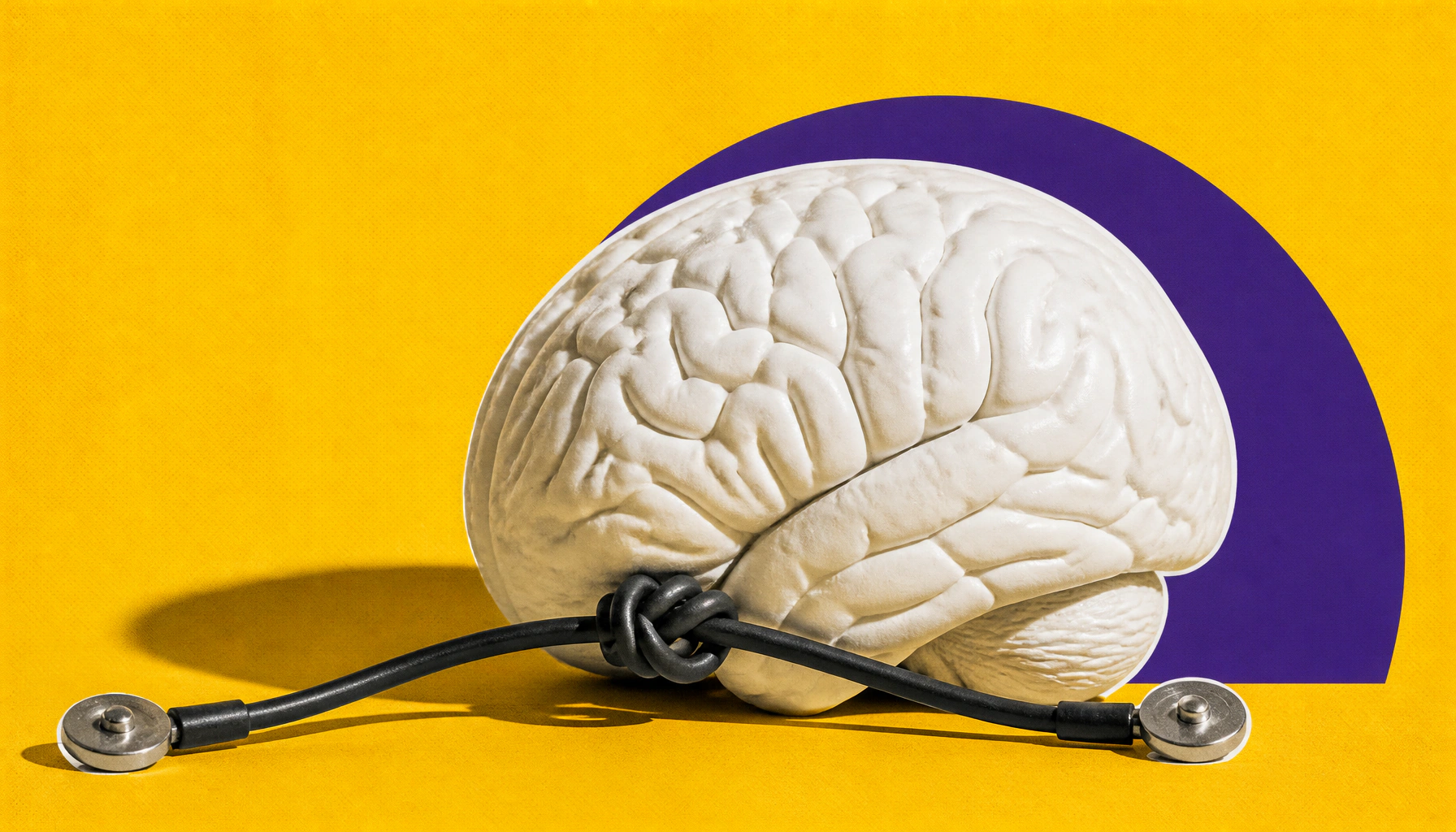
Scientists at Columbia's Zuckerman Institute have mapped the brain circuitry of the African weakly electric fish, uncovering how it filters out its own electric interference to sense its environment. The key? Pairing fast-learning brain cells with slow-learning ones for stability. The findings, published in Nature, could also offer clues for improving AI's ability to learn continuously without forgetting.
Scientists at Columbia's Zuckerman Institute have created a high-resolution map of the electrosensory lobe of the African weakly electric fish (elephantnose fish) — a brain region that helps the animal filter out the electric signals it generates itself so it can detect prey, navigate, and communicate. Using electron microscopy, the team revealed how this circuit is wired, publishing their findings in Nature.
The breakthrough discovery: the brain always pairs fast-learning neurons with slow-learning ones. Fast cells adapt quickly but are prone to being thrown off by random, inconsistent noise. Slow cells provide stability, reliably canceling out the fish's own persistent electric interference. Together, they allow the fish's brain to continuously learn what to ignore — so anything new stands out clearly.
Beyond fish biology, the findings have broader implications for understanding how biological brains sustain lifelong learning — and for AI development, where "catastrophic forgetting" (losing old knowledge when learning new information) remains a major challenge.
Key Takeaways:
Why it matters: Understanding how biological brains balance speed and stability in learning could inspire new approaches to studying neurological conditions involving disrupted neural plasticity — and reshape how we build smarter, more resilient AI systems.