Loading Curie Briefs...
Getting the latest healthcare news for you
Getting the latest healthcare news for you

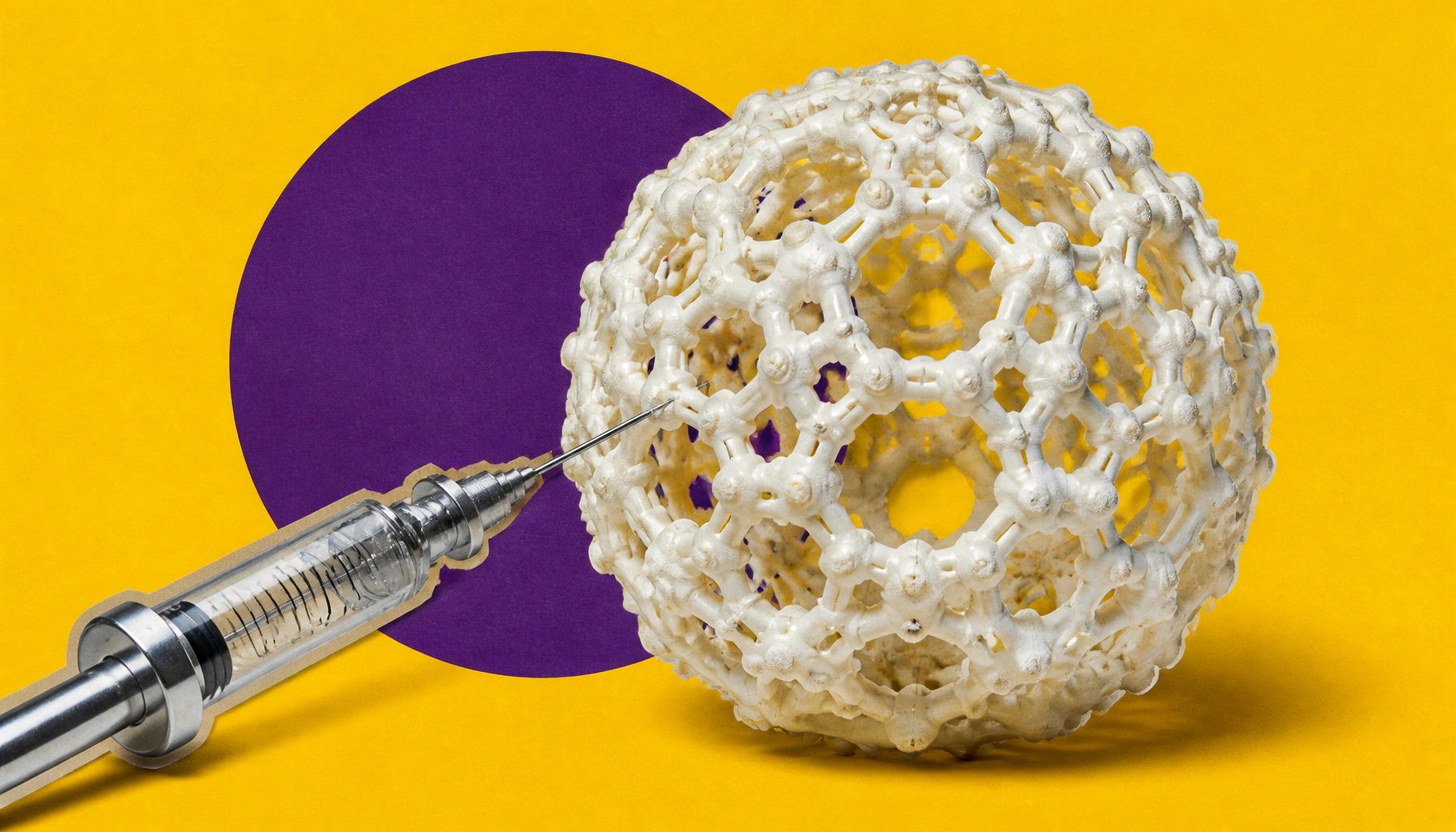
Scientists used generative AI to build an entirely new class of RNA transporters called Synthetic Transfer Vehicles (STVs). The lead candidate, STV-C8, outperformed lipid nanoparticles in cell culture and successfully delivered CRISPR components in animal models — with no signs of immune or toxic side effects. It could reshape how RNA-based therapies, including gene editors, reach their targets.
Researchers at Helmholtz Munich and the Technical University of Munich have created a brand-new class of RNA delivery vehicles — called Synthetic Transfer Vehicles (STVs) — by combining natural protein building blocks with AI-designed synthetic protein structures. Unlike existing delivery systems such as lipid nanoparticles or viral vectors, STVs are built from the ground up with non-natural geometries, giving scientists far more design flexibility.
The standout candidate, STV-C8, significantly outperformed lipid nanoparticles in cell culture, requiring substantially less RNA to achieve comparable protein production. In mice, intravenous STV-C8 drove RNA expression primarily in the lungs with no detectable immune or toxic side effects. In pigs, the team loaded STV-C8 with CRISPR/Cas9 components and successfully edited the dystrophin gene — the gene disrupted in Duchenne muscular dystrophy.
Key Takeaways:
Why it matters: Current RNA delivery tools have real limitations in efficiency and selectivity. STV-C8 represents a potentially transformative platform for RNA therapeutics and gene editing, with implications for diseases like Duchenne muscular dystrophy and beyond.