Loading Curie Briefs...
Getting the latest healthcare news for you
Getting the latest healthcare news for you

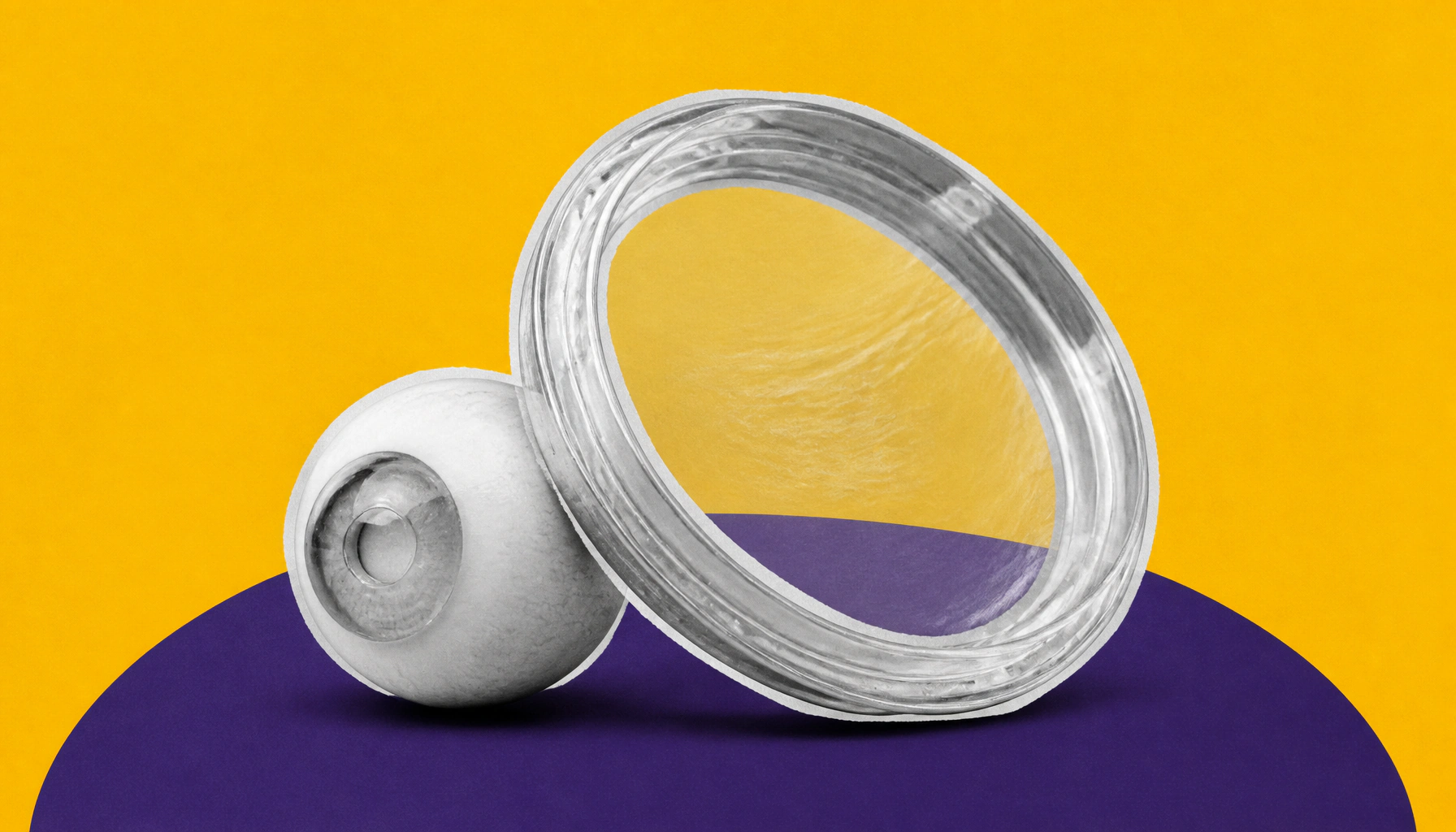
When a corneal injury won't heal, acting fast is everything. Delayed epithelialization — often driven by neurotrophic keratitis or corneal exposure — can spiral into serious complications like scarring or perforation if left unchecked. OD Crystal Brimer shares her frontline approach, centered on cryopreserved amniotic membrane (CAM) placement and a proactive, prevention-first mindset.
When a corneal injury doesn't heal on schedule, the clock starts ticking. Delayed epithelialization — where the corneal surface fails to regenerate within days of treatment — can escalate into stromal thinning, infection, scarring, or even perforation. The most common culprits? Neurotrophic keratitis (damaged corneal nerves that disrupt healing) and corneal exposure from poor blink function or unstable tear film.
OD Crystal Brimer's go-to intervention is immediate placement of a cryopreserved amniotic membrane (CAM) — specifically Prokera Slim — over the wound for five days. CAM retains growth factors that promote regenerative healing while offering anti-inflammatory and anti-scarring properties. Compared to bandage contact lenses alone, CAM has been shown to speed healing, improve visual acuity, and reduce adverse events. If healing remains slow after a second CAM, Brimer escalates to cenegermin-bkbj (Oxervate), blood serum, or platelet-rich plasma.
Key Takeaways:
Why it matters: Persistent epithelial defects are a high-stakes clinical scenario. A structured, aggressive approach — starting with CAM and escalating methodically — can prevent vision-threatening complications and get patients back to comfortable vision faster.