Loading Curie Briefs...
Getting the latest healthcare news for you
Getting the latest healthcare news for you

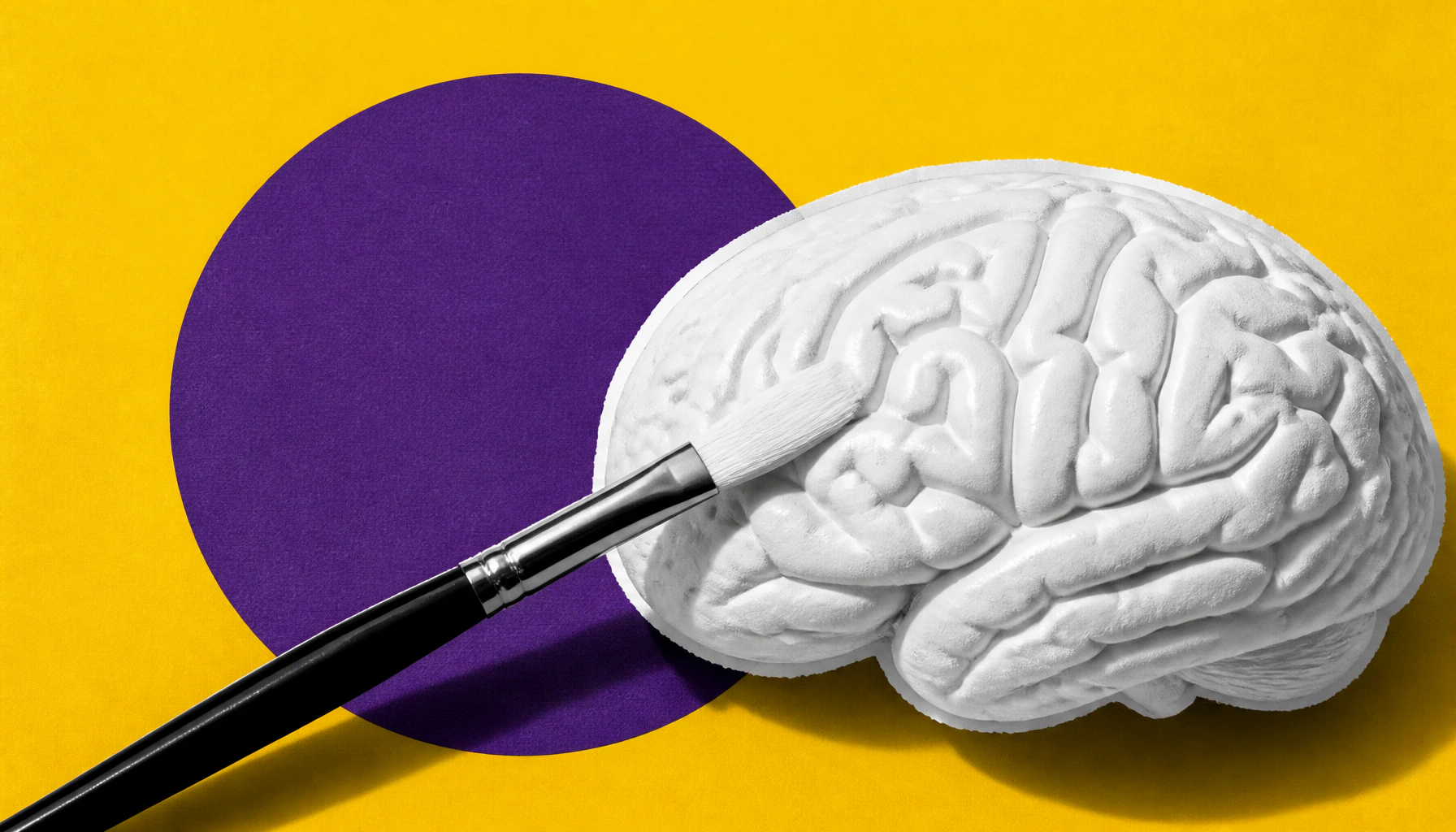
The same wandering attention that makes ADHD challenging could also be fueling creativity. New research from Constructor University finds that "defocused attention" — a hallmark of ADHD — overlaps with the neural networks that drive creative thinking. Researchers suggest that art, music, and dance could serve as non-pharmacological tools to channel this trait while also strengthening focus-related brain circuits.
ADHD affects nearly 8% of children worldwide and is typically framed around what's lacking — focus, impulse control, sustained attention. But a new study published in iScience by Constructor University neuroscientist Dr. Radwa Khalil flips that narrative, arguing that the same brain patterns behind ADHD's challenges may also be a hidden engine for creativity.
The key concept is "defocused attention" — think of it as a wider mental spotlight that takes in more information at once. While that makes single-task focus harder, it also encourages free-associative thinking and unexpected idea combinations, the very stuff of creative breakthroughs. Notably, many celebrated artists and innovators, including Justin Timberlake and Simone Biles, have ADHD.
The researchers propose that creative activities like art, music, dance, writing, and gaming could give people with ADHD a structured outlet for this broader attentional style — and may even strengthen the neural circuits involved in attention control over time.
Key Takeaways:
Why it matters: Reframing ADHD as a cognitive difference rather than a pure deficit could open the door to complementary, creativity-based therapies — offering clinicians and families new, non-medication tools to work with the ADHD brain rather than against it.