Loading Curie Briefs...
Getting the latest healthcare news for you
Getting the latest healthcare news for you

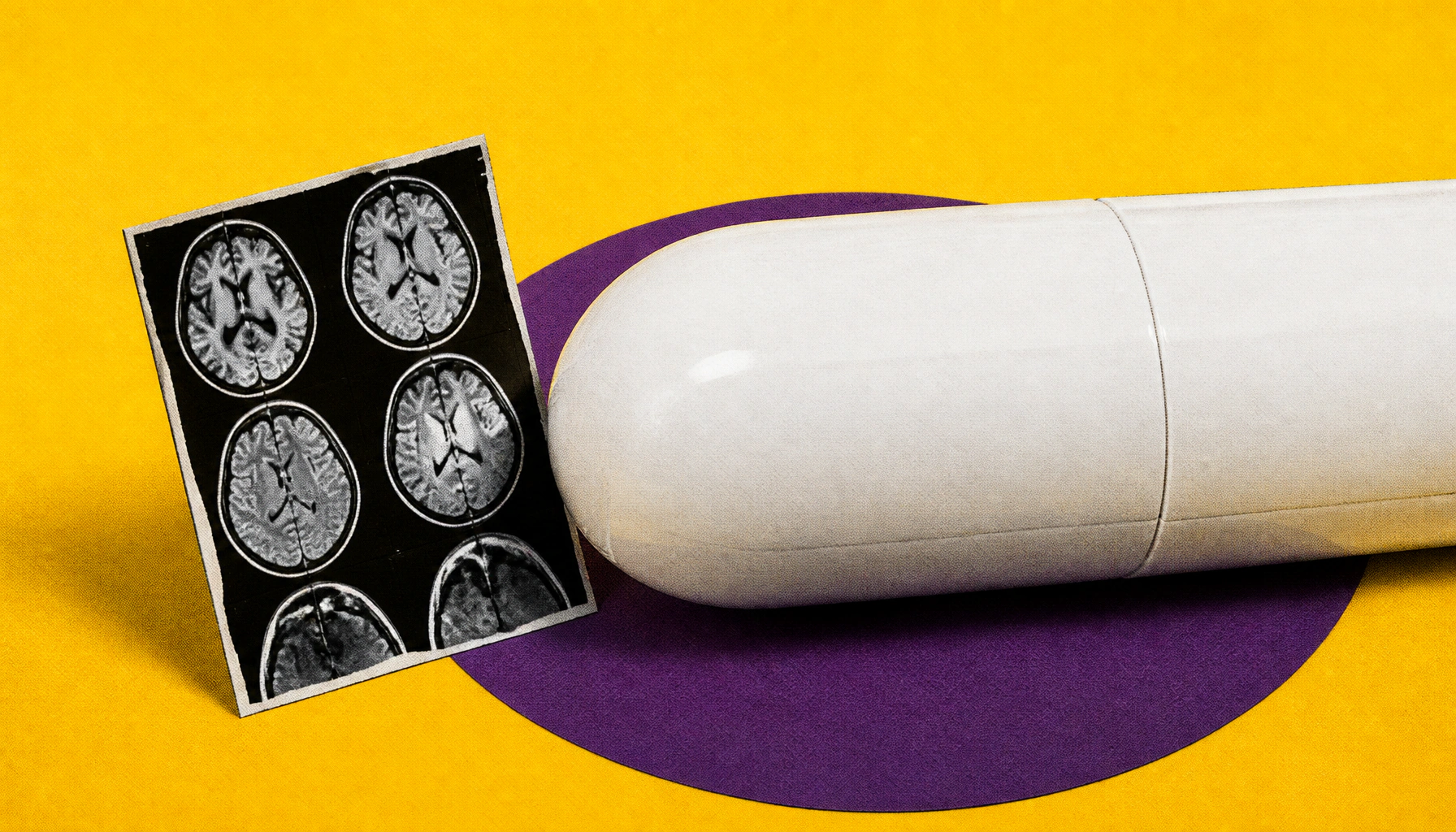
A new oral drug for relapsing multiple sclerosis is turning heads. Novartis's remibrutinib, a BTK inhibitor, beat the standard therapy teriflunomide on relapse reduction and MRI outcomes in two large phase 3 trials — with no liver safety concerns flagged. The company is now gearing up for global regulatory submissions.
A promising new pill for relapsing MS clears a major hurdle. Novartis's investigational oral drug remibrutinib — a Bruton's tyrosine kinase (BTK) inhibitor — significantly reduced annualized relapse rates compared to teriflunomide (Aubagio) in both the REMODEL-1 and REMODEL-2 phase 3 trials. Each trial enrolled roughly 1,000 adults with relapsing MS and active disease, randomized 1:1 to remibrutinib 100 mg or teriflunomide for up to 30 months, with a 5-year open-label extension to follow.
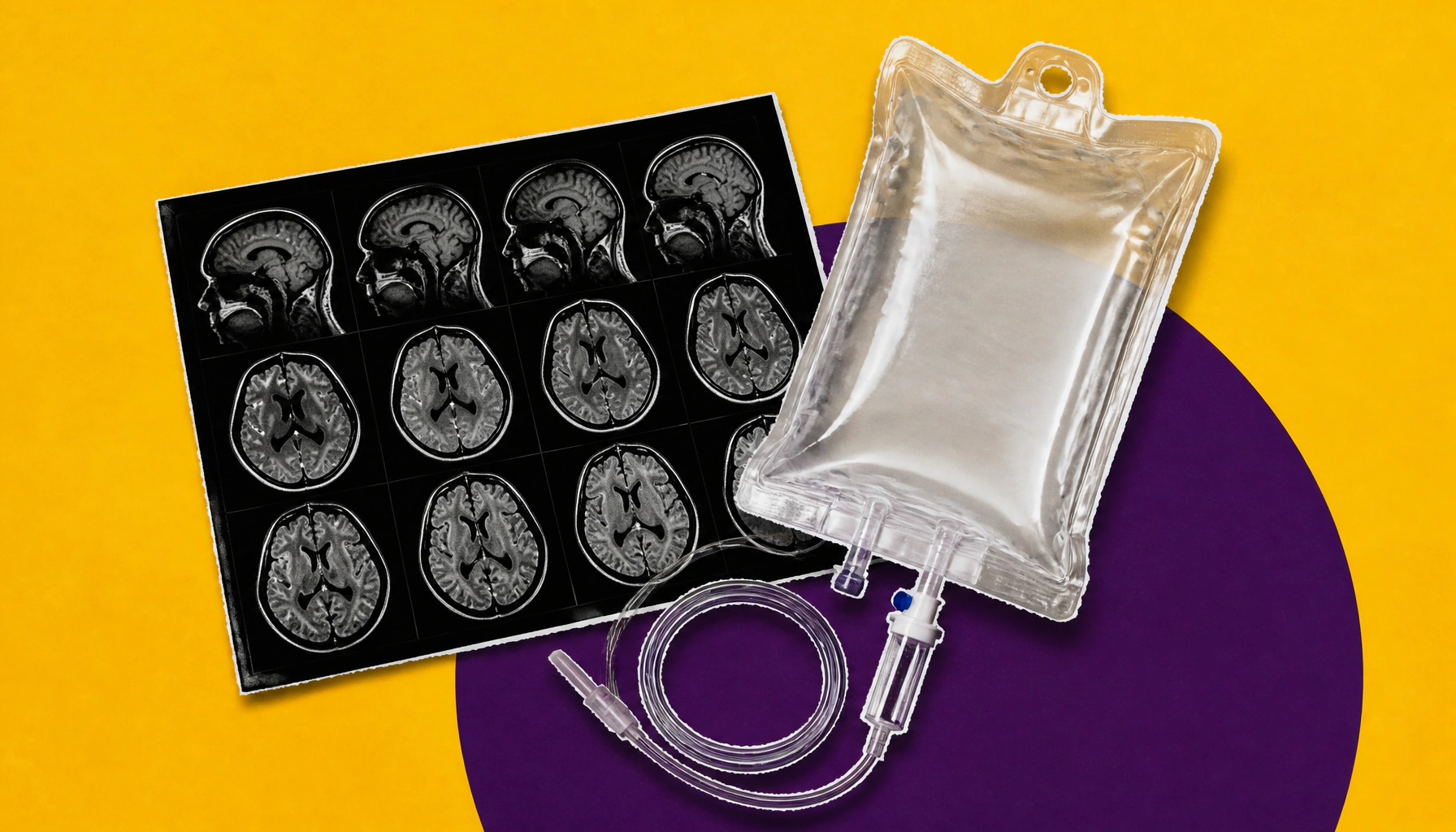
Beyond hitting the primary endpoint, remibrutinib also outperformed teriflunomide on key secondary measures — including reductions in MRI lesions — and showed a positive trend on disability progression. Importantly, no liver safety signal was detected, and no cases met Hy's Law criteria, a key benchmark for drug-induced liver injury.
Key Takeaways:
Why it matters: If approved, remibrutinib could offer neurologists a new oral, high-efficacy option for relapsing MS — potentially filling a gap between existing injectable and infusion therapies — with a reassuring safety profile flagged in the trial data.