Loading Curie Briefs...
Getting the latest healthcare news for you
Getting the latest healthcare news for you

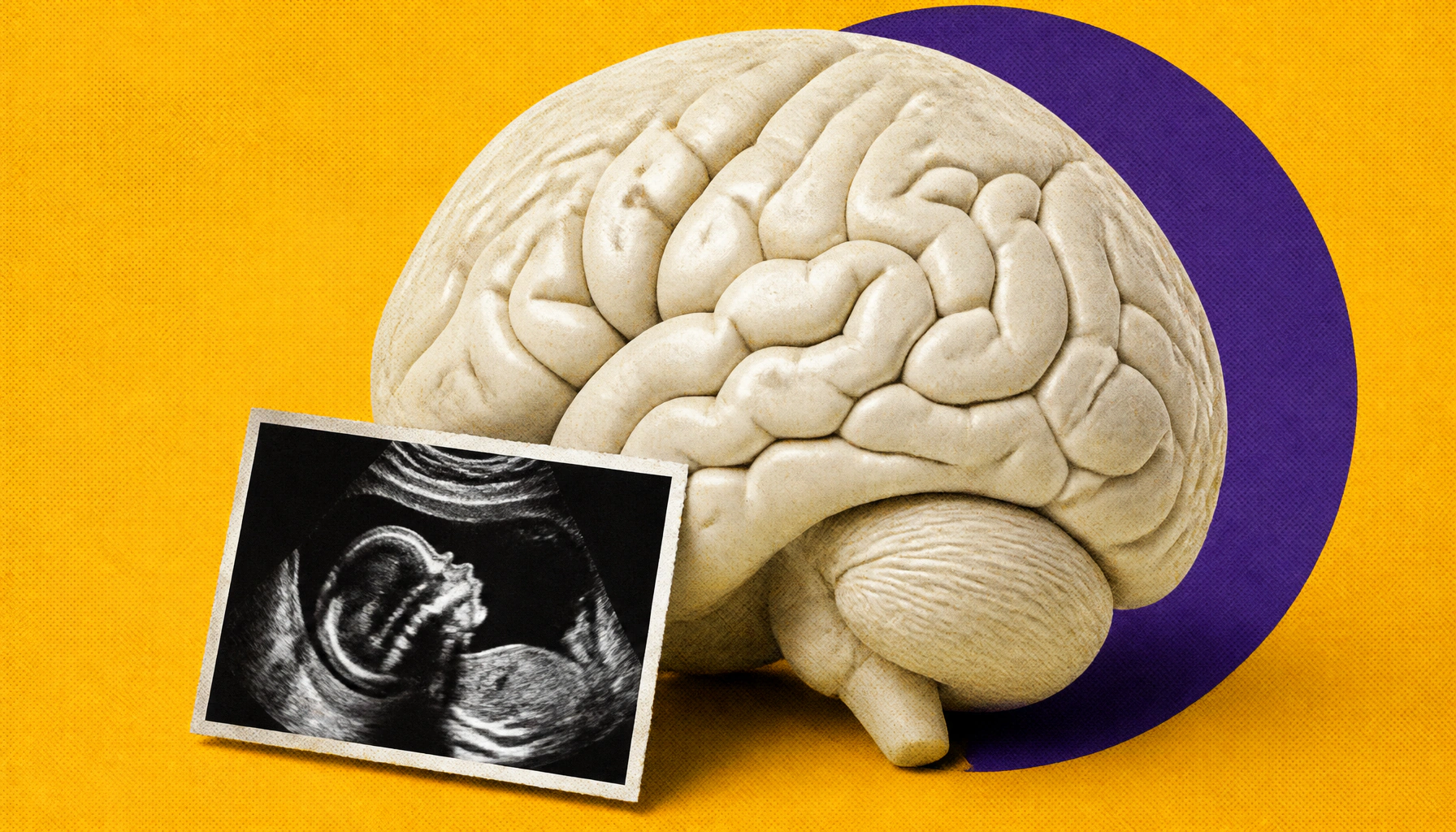
New research from the Salk Institute reveals that severe maternal illness during pregnancy can trigger epigenetic changes in fetal brain cells — potentially raising the risk of neurodevelopmental disorders like autism and ADHD. Scientists found thousands of epigenetic differences in the frontal cortex neurons of offspring born to immune-activated mothers, with many changes clustered near autism-linked genes. The findings open new doors for developing maternal or fetal therapies to reduce these risks.
A new study published in Molecular Psychiatry by Salk Institute researchers sheds light on why severe illness during pregnancy can increase the risk of neurodevelopmental disorders in children. The team tracked epigenetic changes — chemical modifications that sit on top of DNA and control gene expression — in mouse frontal cortex cells throughout fetal development, comparing offspring of healthy mothers to those of immune-activated mothers.
The results were striking: thousands of epigenetic differences emerged between the two groups, with the most pronounced changes occurring in deep-layer neurons. Increased methylation (chemical "blocking" tags on DNA) was found to suppress the activity of Tbr1, a key brain development regulator — even when Tbr1 protein levels were elevated. These disrupted sites are strongly associated with autism spectrum disorder, and the team found that about 25% of high-confidence autism-linked genes in a major database were also dysregulated in their dataset.
Key Takeaways:
Why it matters: Neurodevelopmental disorders affect ~10% of Americans, yet their origins remain poorly understood. This research offers a molecular roadmap of how prenatal immune challenges may wire the brain differently — and could eventually guide therapies aimed at protecting fetal neurodevelopment during maternal illness.