Loading Curie Briefs...
Getting the latest healthcare news for you
Getting the latest healthcare news for you

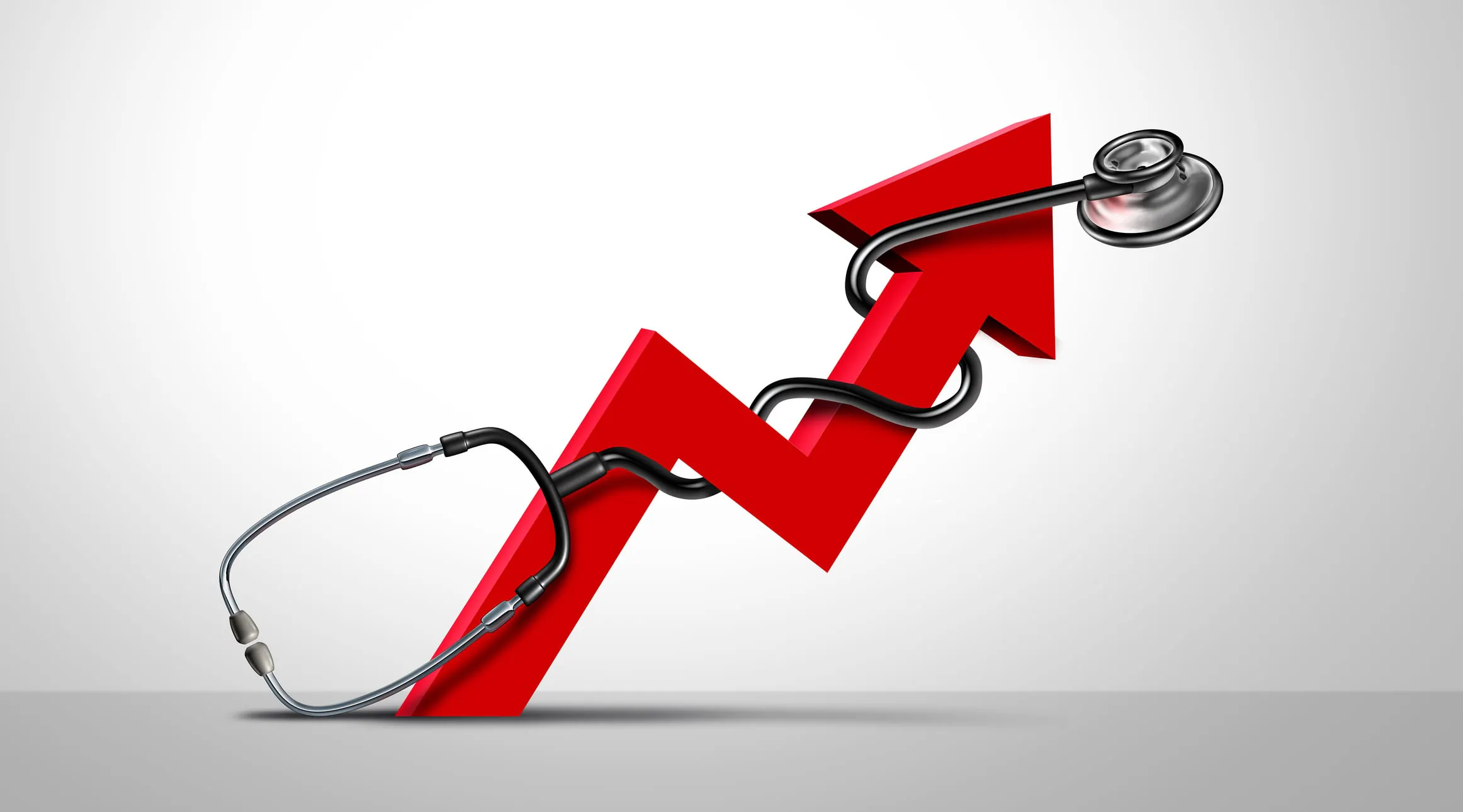
Healthcare costs for employers are projected to jump 8.2% in 2027—the steepest rise in over two decades. A Marsh survey of 1,800+ employers points to provider consolidation, GLP-1 drug use, and the No Surprises Act's dispute resolution process as key culprits. Nearly 60% of employers say they'll make cost-cutting changes to benefits to cope.
Employers are bracing for another painful year of healthcare cost increases. According to Marsh's 2026 National Survey of Employer-Sponsored Health Plans, employer healthcare costs are projected to rise 8.2% in 2027—the highest increase since 2003 and the fifth consecutive year of climbing costs. Without any cost-mitigation steps, employers estimate their plans would cost 11% more next year.
Several forces are driving the surge: provider consolidation, government funding lagging behind inflation, advanced treatments, AI-driven claims processing, and growing use of GLP-1 medications. Marsh actuaries estimate GLP-1 utilization alone accounts for a full percentage point of the projected cost growth. The No Surprises Act's Independent Dispute Resolution process is also adding fuel to the fire, with associated costs hitting $22.4 billion by end of 2025.
By the Numbers:
Why it matters: With costs outpacing inflation year after year, employers face tough choices—cutting benefits, shifting costs to employees, or dropping certain coverages like GLP-1s. The ripple effects touch millions of workers and could reshape how employer-sponsored insurance is structured going forward.