Loading Curie Briefs...
Getting the latest healthcare news for you
Getting the latest healthcare news for you


Alzheimer's may start earlier than we thought. A new study from the University of Oslo found structural brain changes linked to Alzheimer's at least seven years before amyloid plaques become visible on PET scans — the current gold standard for early detection. The findings, published in Nature Neuroscience, suggest the disease may be silently progressing long before today's best imaging tools can catch it.
Alzheimer's may start earlier than we thought
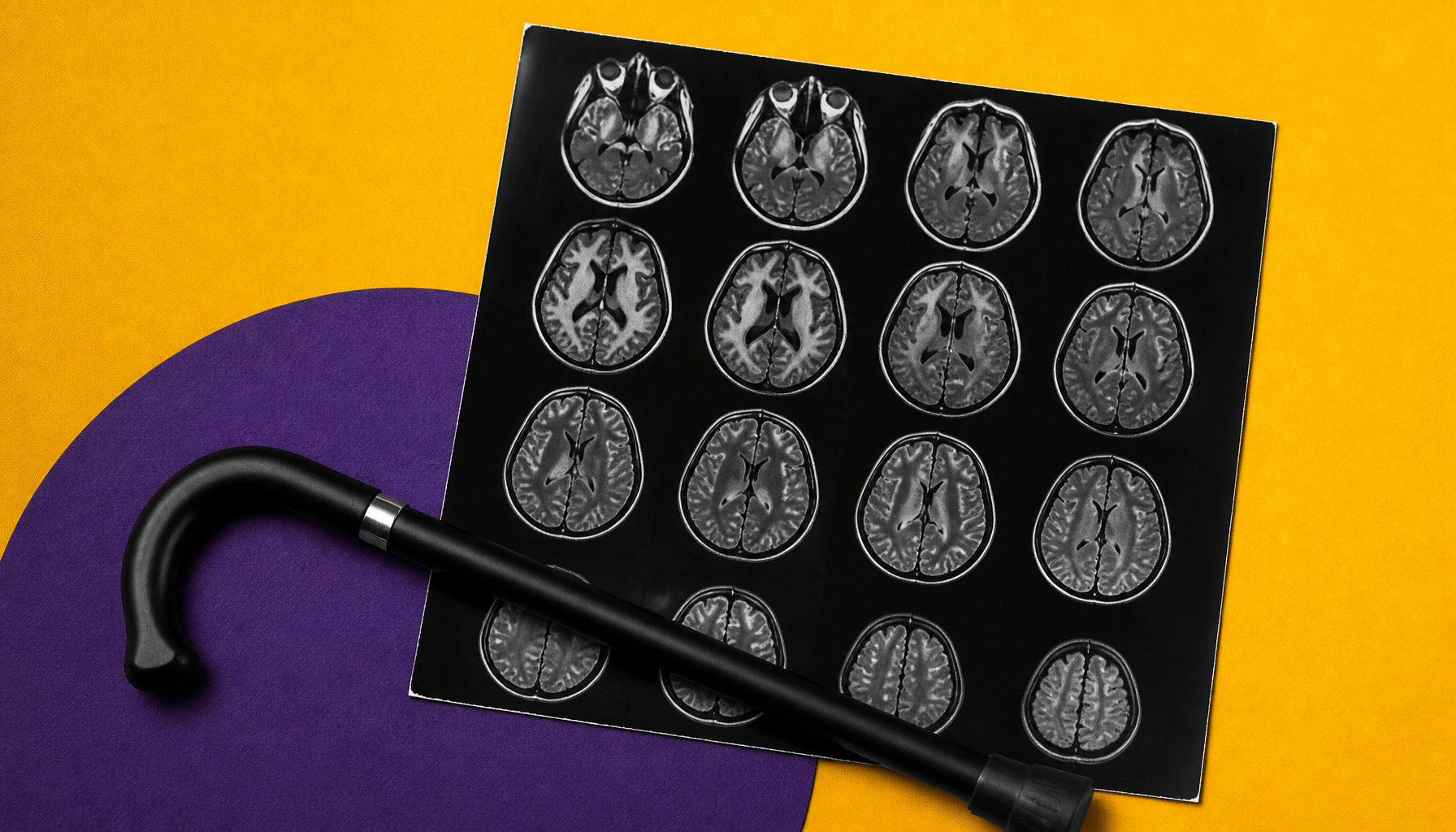
A new study from the University of Oslo has found that structural brain changes linked to Alzheimer's disease can appear at least seven years before amyloid plaques become detectable on PET scans — currently considered the earliest diagnostic marker of the disease. Published in Nature Neuroscience, the research tracked cognitively healthy older adults with repeated MRI scans over nearly 20 years, then looked back to identify when those changes first emerged.
The findings raise a provocative question: are these early brain changes a precursor to plaque buildup, or are they driven by entirely separate biological processes? If it's the latter, it could mean that amyloid-targeting therapies — the dominant focus of Alzheimer's drug development — may be missing a critical window of intervention.
Key Takeaways:
Why it matters: Earlier detection could transform how Alzheimer's is managed, potentially allowing treatment to begin years before symptoms emerge. These findings also challenge the field to look beyond amyloid plaques as the sole early target for intervention.