Loading Curie Briefs...
Getting the latest healthcare news for you
Getting the latest healthcare news for you

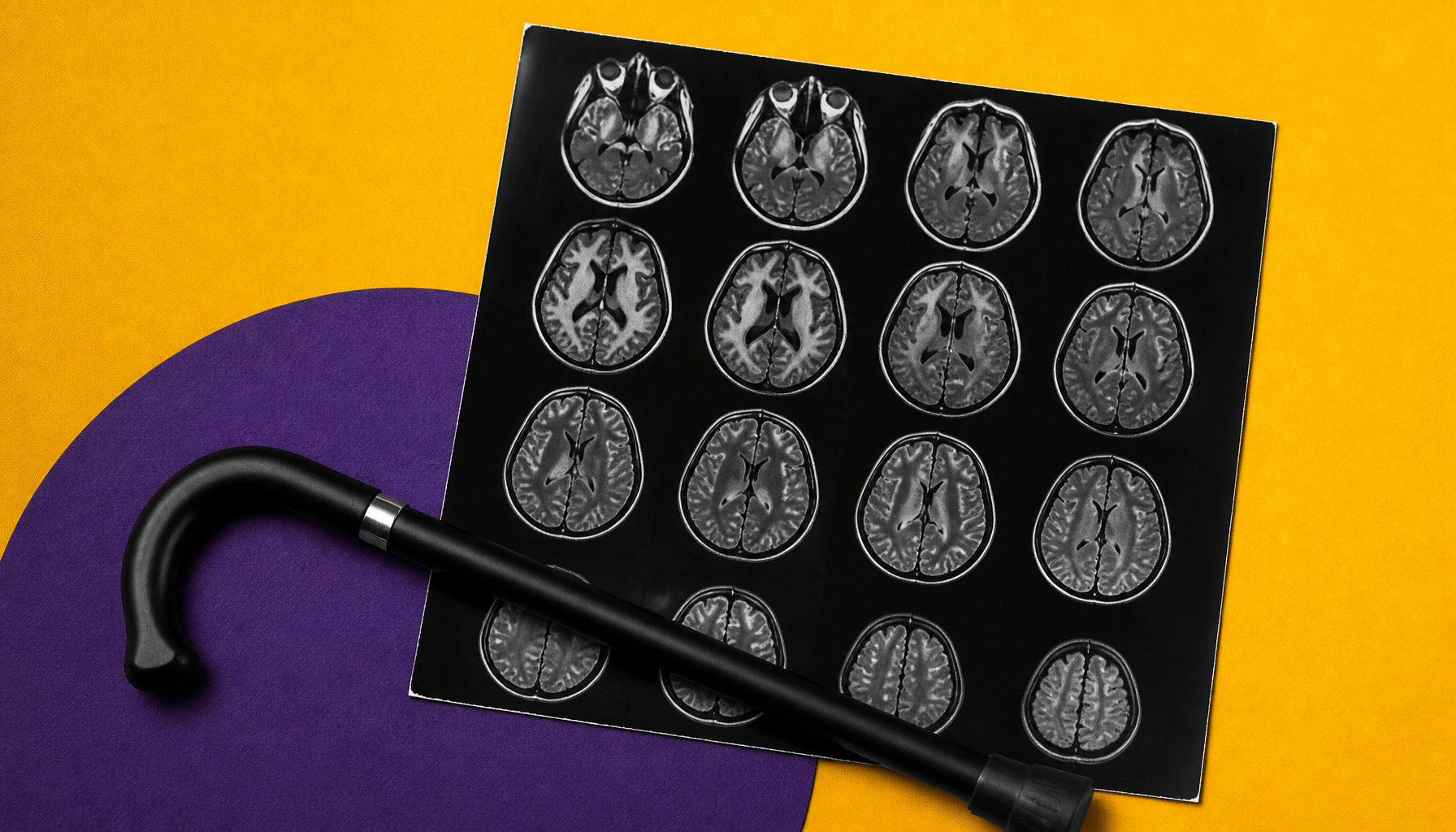
A new MRI-based biomarker could help predict how quickly patients with early-onset Alzheimer's disease progress from mild cognitive impairment to dementia. Researchers found that greater cortical atrophy in specific brain regions was linked to a 24% higher risk of progression per standard deviation increase. The tool could help patients and clinicians better plan care, though it's not yet ready for routine clinical use.
One of the hardest questions for patients with early-onset Alzheimer's disease (EOAD) is: When will I lose my independence? A new study published in Neurology brings researchers closer to answering that — using a brain scan biomarker called the EOAD signature, which tracks cortical thinning in brain regions particularly vulnerable to the disease.
In a longitudinal study of 130 adults with biomarker-confirmed EOAD at the mild cognitive impairment (MCI) stage, greater baseline atrophy in the EOAD signature regions — primarily the parietotemporal cortex — was significantly associated with faster progression to dementia. Crucially, the MRI measure added prognostic value beyond standard clinical assessments like age, sex, and cognitive severity scores.
By the Numbers:
Why it matters: Early-onset Alzheimer's strikes people in their peak working and caregiving years. A reliable MRI-based prognostic tool could help patients and families plan ahead, optimize timing for clinical trials, and guide therapeutic decisions — but researchers caution the signature still needs validation in more diverse populations before it's ready for routine clinical use.