Loading Curie Briefs...
Getting the latest healthcare news for you
Getting the latest healthcare news for you


When science meets family tragedy, breakthroughs follow. Psychiatric geneticist Dr. Consuelo Walss-Bass has spent her career trying to understand why her sister Paty developed schizophrenia while other siblings didn't — a question that mirrors one of psychiatry's biggest unsolved puzzles. Her new book, Why My Sister?, weaves together three generations of family history with cutting-edge stem cell and epigenetic research to illuminate the origins of the disease.
Schizophrenia is about 80% heritable — yet identical twins share the diagnosis less than 50% of the time. That gap is one of psychiatry's most stubborn mysteries, and for Dr. Consuelo Walss-Bass, it's also deeply personal. Her mother, Eugenia, lived with untreated schizophrenia for over four decades. Of her five children, only one — Paty — received the same diagnosis. Dr. Walss-Bass, now a psychiatric genetics researcher at UTHealth Houston, has spent her career trying to understand why.
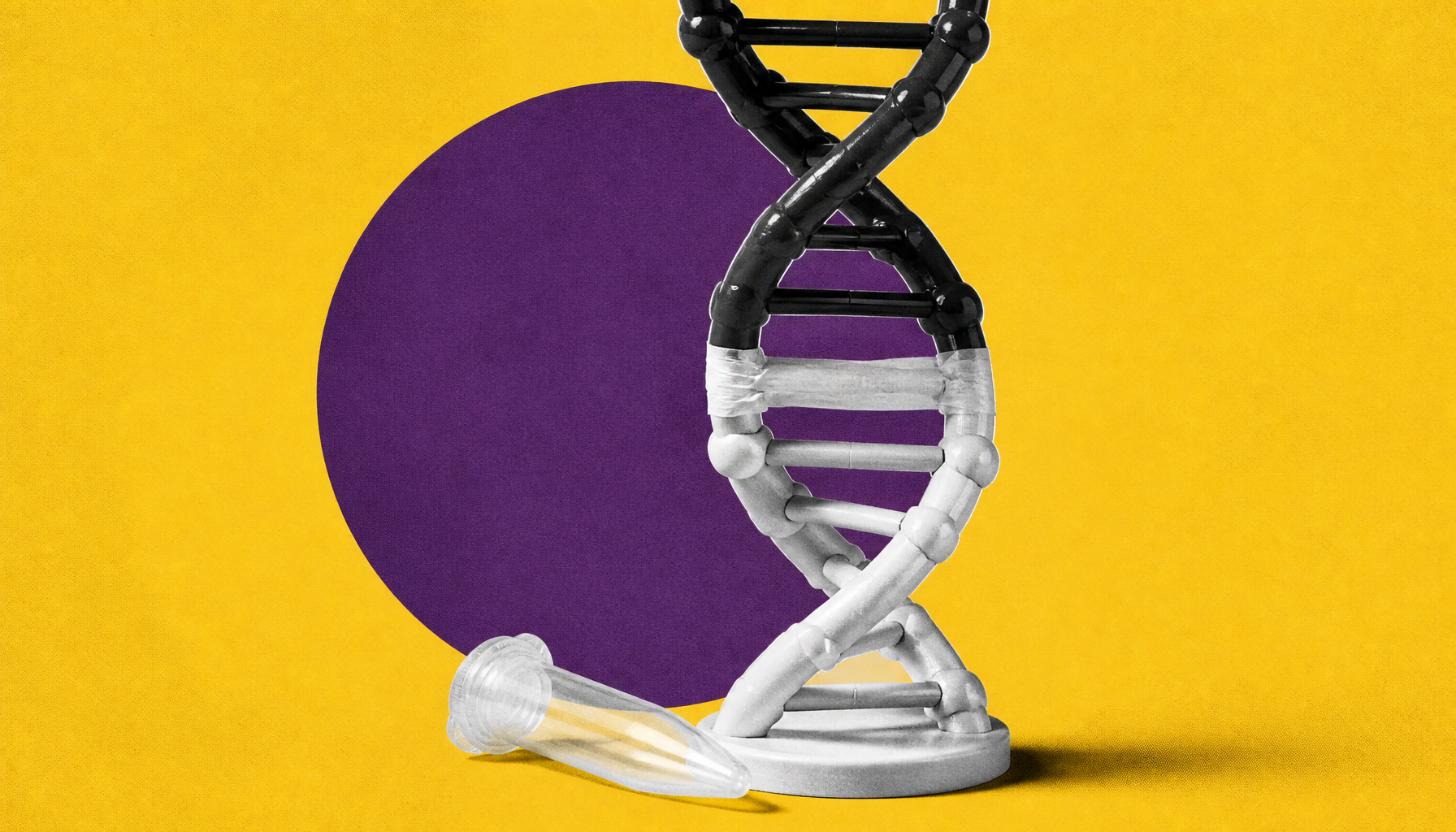
Her new book, Why My Sister?, blends family memoir with science, tracing three generations between Mexico and the United States while explaining the biology behind schizophrenia — from epigenetic stress-response variants (like FKBP5) to stem cell modeling. Her lab uses induced pluripotent stem cells and cortical organoids to study schizophrenia at the neuronal level, and was the first to identify PI3K/GSK3 signaling abnormalities in neurons from affected individuals.
Key Takeaways:
Why it matters: Schizophrenia affects millions, yet treatment options have barely evolved in half a century. Dr. Walss-Bass's work — and her book — push back against both scientific stagnation and the stigma that isolates patients and families alike.