Loading Curie Briefs...
Getting the latest healthcare news for you
Getting the latest healthcare news for you

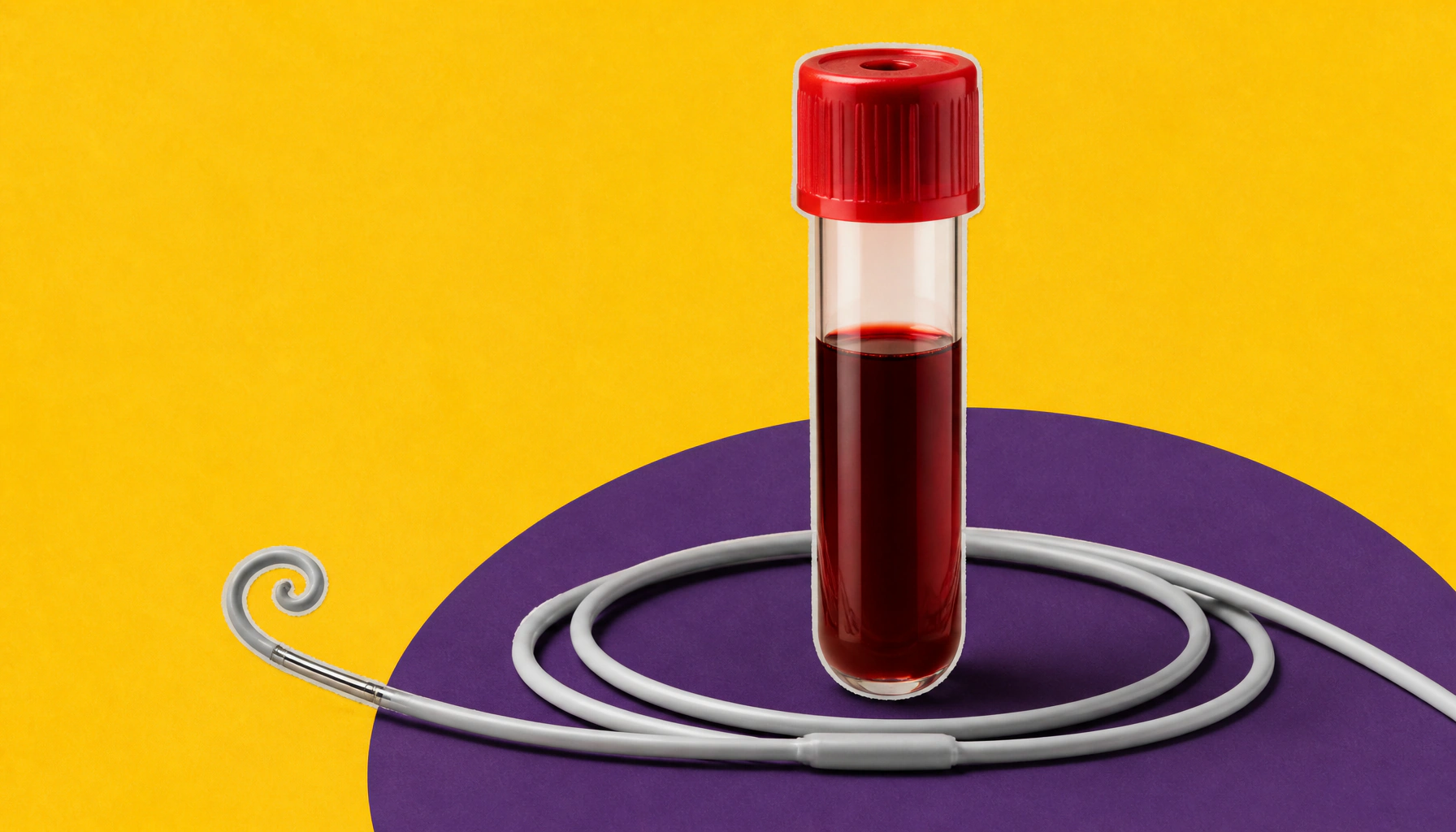
Telling Takotsubo syndrome apart from a heart attack just got easier. Researchers developed the BioTAK score — a tool combining biological sex and blood biomarkers — that correctly identified the condition in nearly 90% of patients before invasive cardiac catheterization. The findings, published in the European Heart Journal, could help emergency teams make faster, less invasive diagnostic decisions.
Telling "broken heart syndrome" apart from a heart attack just got easier
Takotsubo syndrome — nicknamed "broken heart syndrome" — can mimic a heart attack so convincingly that patients often need invasive cardiac catheterization to get a definitive diagnosis. Now, an international research team has developed the BioTAK score, a non-invasive diagnostic tool that combines biological sex with a panel of blood biomarkers to identify the condition before any invasive procedure is needed.
The score was validated in nearly 1,800 patients and correctly classified close to 90% of them. Beyond its diagnostic utility, the BioTAK score also sheds light on the biology behind the syndrome — two newly identified biomarkers point to the brain-heart axis and stress-response pathways as key drivers, distinguishing it mechanistically from classic coronary artery disease.
By the Numbers
Why it matters: Misdiagnosing Takotsubo syndrome as a heart attack leads to unnecessary invasive procedures and delays appropriate care. A reliable, blood-based scoring tool could streamline emergency triage, reduce patient risk, and improve outcomes — especially for postmenopausal women, who are most commonly affected.