Loading Curie Briefs...
Getting the latest healthcare news for you
Getting the latest healthcare news for you

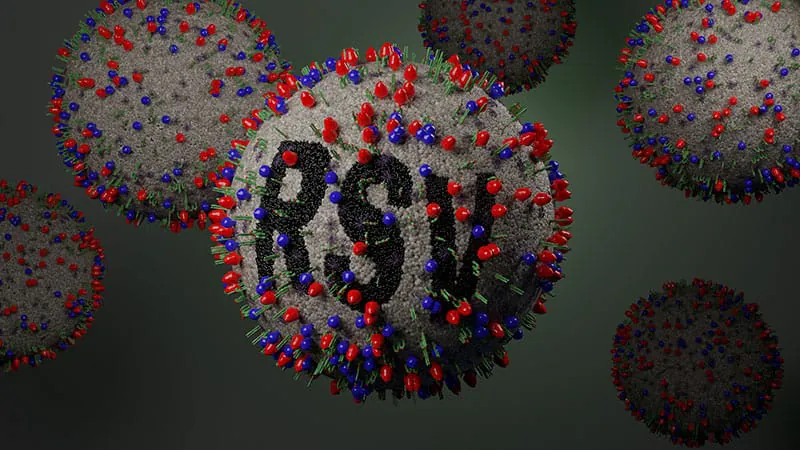
Italy's nirsevimab rollout cut pediatric RSV hospitalizations by over 40% in the 2024–2025 season, with the biggest gains seen in regions that started early and cast a wider eligibility net. Regions with narrower criteria or late launches saw far smaller benefits. The findings underscore that how and when a program is implemented can be just as important as the intervention itself.
Italy's nationwide rollout of nirsevimab — a monoclonal antibody that protects infants against RSV — delivered a 43.6% overall drop in pediatric RSV hospitalizations during the 2024–2025 season, according to a retrospective analysis of nearly 11,000 hospitalizations across 19 pediatric centers over six seasons. The results, published in the International Journal of Infectious Diseases, offer one of the clearest real-world signals yet that RSV prevention in children is working at scale.
But the headline number masks significant regional variation. Regions that launched programs early and made nirsevimab available to a broader group of children saw reductions exceeding 70%, while those with stricter eligibility criteria or delayed rollouts saw only modest declines — or no measurable change at all.
Key Takeaways:
Why it matters: These findings send a clear message to policymakers: scientific efficacy alone doesn't determine real-world impact. Timely, equitable, and strategically designed immunization programs are essential to maximizing the benefits of nirsevimab — a lesson that likely applies as other countries scale up their own RSV prevention efforts.