Loading Curie Briefs...
Getting the latest healthcare news for you
Getting the latest healthcare news for you

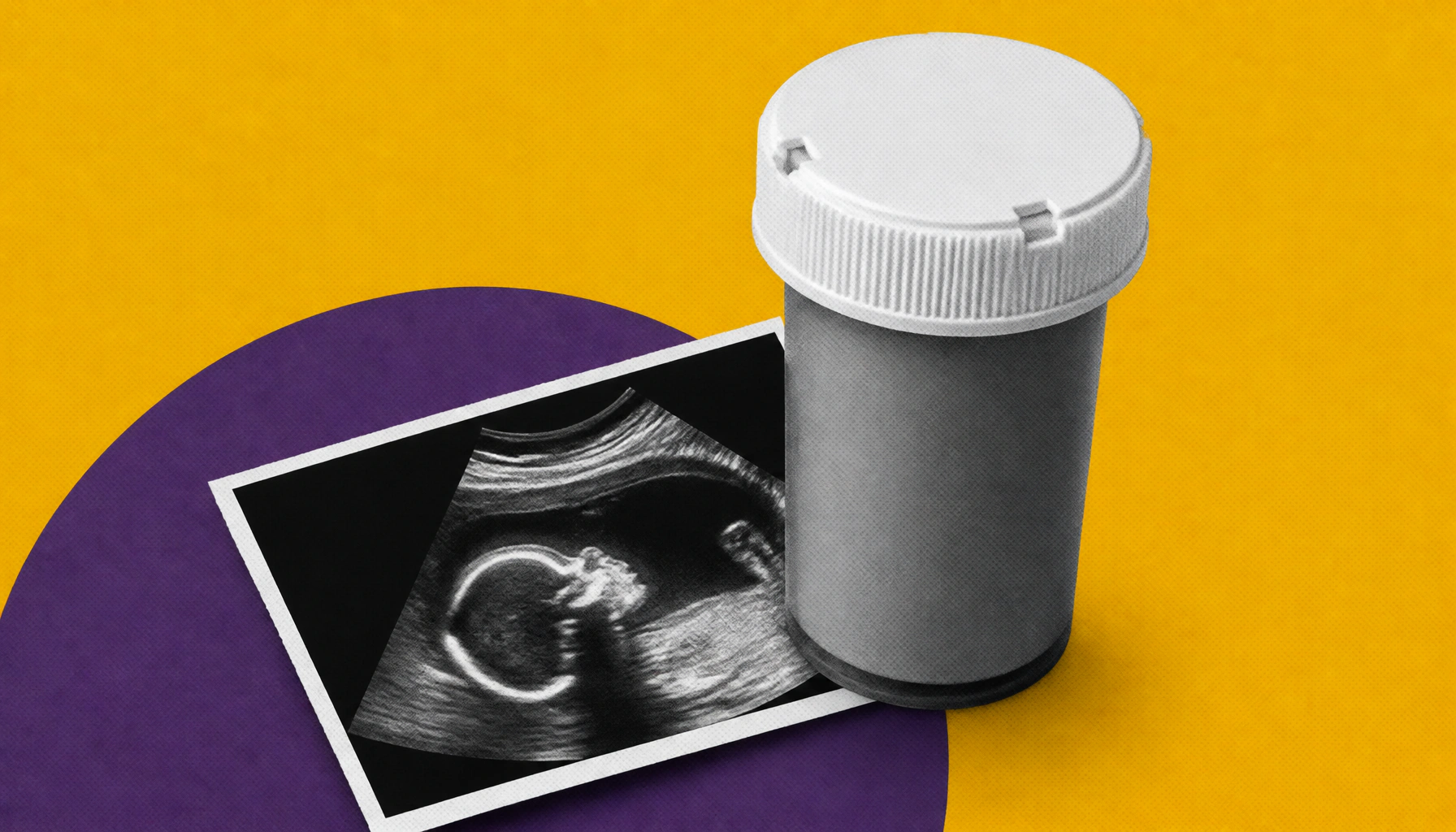
Keeping up with antidepressants during pregnancy pays off postpartum. A large retrospective study found that pregnant patients with a history of depression who continued their antidepressants were significantly less likely to develop postpartum depression than those who stopped — even temporarily. Depressive symptom severity during pregnancy also emerged as a key independent predictor of postpartum outcomes.
A new study published in the American Journal of Obstetrics and Gynecology offers compelling evidence that staying on antidepressants throughout pregnancy meaningfully reduces the risk of postpartum depression (PPD) in patients with a prior history of depression. Researchers analyzed data from over 6,500 pregnant patients in the Kaiser Permanente Northern California system between 2010 and 2019.
Patients were grouped by their antidepressant use patterns: those who continued throughout pregnancy, those who stopped and restarted, and those who stopped entirely. PPD was identified in 37.7% of all participants — but rates were notably lower among those who stayed on their medication (34.3%) compared to those who stopped (38.7%) or interrupted treatment (41.0%). Depressive symptom severity at the first prenatal screening was also a strong independent predictor of PPD risk, regardless of medication status.
By the numbers:
Why it matters: For clinicians counseling pregnant patients about antidepressant use, this study reinforces that stopping medication — even temporarily — carries real risks. Shared decision-making should factor in both prenatal depressive symptom burden and the meaningful postpartum consequences of undertreated depression.