Loading Curie Briefs...
Getting the latest healthcare news for you
Getting the latest healthcare news for you


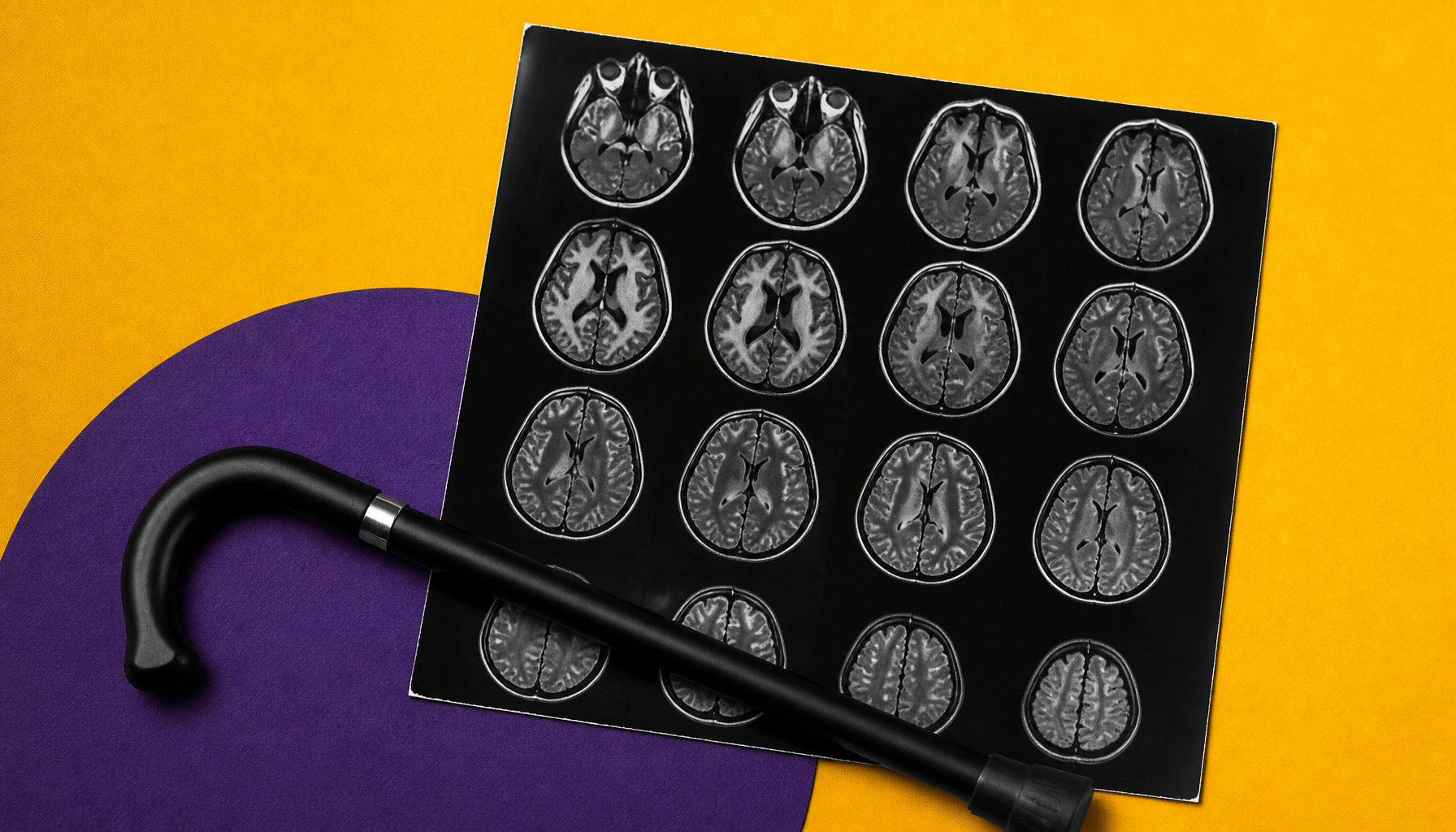
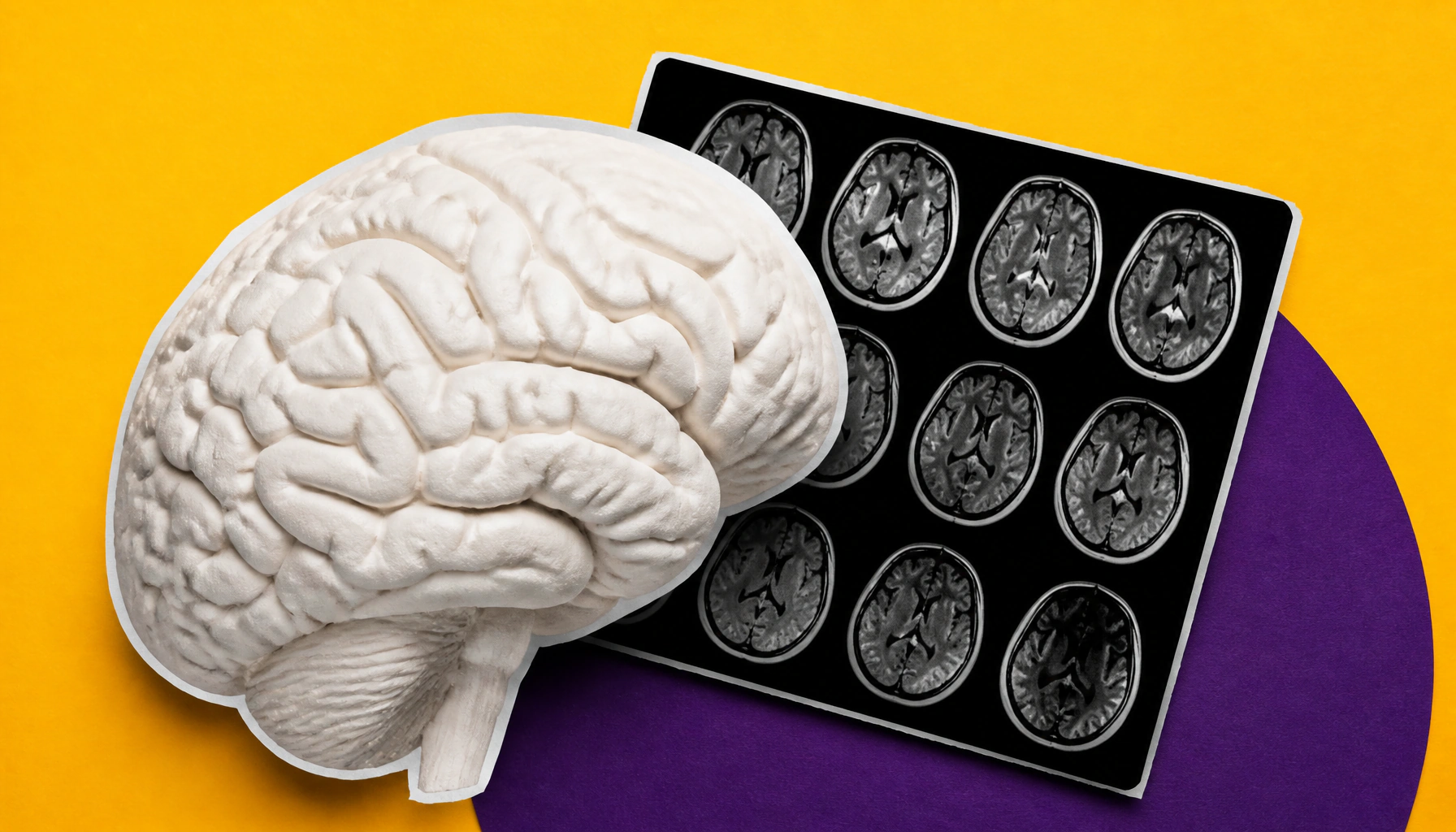
Depression and early dementia can look strikingly similar in older adults — and a new literature review warns that one may be masking the other. Experts are calling on primary care physicians to routinely screen for cognitive decline whenever depression is diagnosed or suspected. The key to telling them apart? Long-term follow-up.
Depression and cognitive decline don't just coexist in older adults — they're deeply intertwined, and a new literature review is sounding the alarm about how often one masks the other. Depression is present in 30%–50% of individuals with Alzheimer's disease, and rates are even higher in Lewy body and vascular dementia. The tricky part: in primary care, depression can present as a risk factor, a prodrome, or a differential diagnosis for mild cognitive impairment or early dementia — making it easy to miss what's really going on.
A US study in adults aged 55+ found that depression and cognitive impairment frequently coexist, and that the severity of cognitive deficits tracks closely with the severity of depression. Crucially, persistent cognitive decline despite improvement in mood should raise a red flag for an underlying neurodegenerative disease.
Key Takeaways:
Why it matters: Primary care physicians are often the first — and sometimes only — clinicians to see these patients. Catching cognitive decline early means faster access to treatment, better management of modifiable risk factors, and more time for patients and families to plan ahead.