Loading Curie Briefs...
Getting the latest healthcare news for you
Getting the latest healthcare news for you

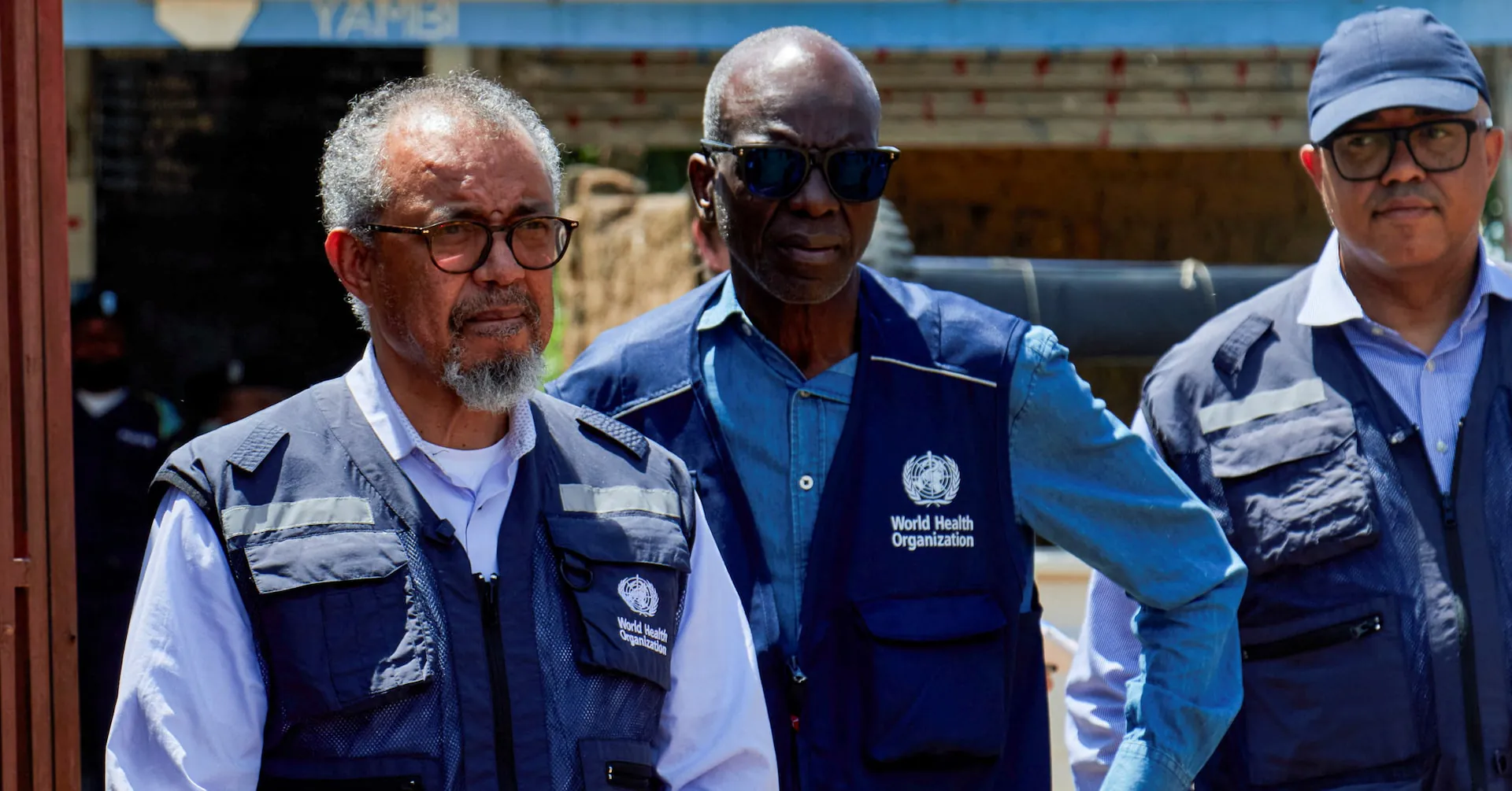
Congo's Ebola crisis is now the second-deadliest in history, with over 3,000 deaths and hidden transmission chains still fueling the spread. WHO chief Tedros is calling for urgent funding and a scaled-up response, warning that unsafe burials and untraced contacts are keeping the outbreak alive. The international community is being asked to contribute to a $1.3 billion response plan.
Congo's Ebola outbreak — caused by the rare Bundibugyo strain — has now surpassed 3,000 deaths, making it the deadliest in the country's history and the second-worst Ebola outbreak ever recorded globally, behind only the 2014–2016 West African epidemic. WHO Director-General Tedros Adhanom Ghebreyesus is sounding the alarm, warning that hidden transmission chains and unsafe burials continue to drive the spread.
The crisis has been unfolding since May 2026, when Africa CDC announced Congo's 17th Ebola outbreak. From the start, the response has struggled to keep pace — the virus went undetected for weeks, testing delays persisted, and community mistrust hampered contact tracing and safe burials. A $518 million six-month joint WHO–Africa CDC plan was launched in June, but funding gaps remain, with the full response plan now seeking $1.3 billion.
By the Numbers:
Why it matters: With unknown transmission chains and insufficient funding, the outbreak poses a growing threat not just to Congo but to neighboring countries and the broader region. Tedros's warning is clear: without scaled-up global commitment, this epidemic won't be contained.